


Top Industries for Foreign Investment in Aruba
Reading Time: 7 minutes
Aruba has long been recognized as one of the Caribbean’s most stable and investment-friendly economies, making foreign investment in Aruba increasingly attractive for international buyers. Backed by a strong legal framework and consistent tourism demand, the island continues to draw investors, particularly from the United States and Canada, seeking long-term value in real estate and strategic assets.
Why Aruba Attracts
Foreign Investors
Aruba’s appeal goes beyond its beaches. The island has positioned itself as a secure, transparent, and well-regulated jurisdiction for international business and property investment. Its economy is service-driven, outward-looking, and supported by strong institutions. When it comes to this appeal, there are two key factors:
Political and Economic Stability
As a constituent country of the Kingdom of the Netherlands, Aruba benefits from a robust legal system grounded in Dutch law, which provides strong protection for property rights and foreign ownership. This political structure contributes to low country risk and high investor confidence.
Economically, Aruba has demonstrated steady recovery and growth following the global pandemic, with tourism, construction, and real estate acting as key contributors to GDP. Government policy actively supports foreign direct investment, particularly in sectors that enhance sustainable growth and long-term economic resilience.

Strategic Location
in the Caribbean
Geographically, Aruba occupies a strategic position just outside the hurricane belt, with proximity to North and South America. Direct flights to major U.S. and Canadian cities make the island highly accessible for both tourists and business travelers. This connectivity strengthens Aruba’s role as a regional hub for tourism, trade, and logistics, while also supporting consistent demand for residential and vacation properties tied to international mobility.
in the Caribbean
Geographically, Aruba occupies a strategic position just outside the hurricane belt, with proximity to North and South America. Direct flights to major U.S. and Canadian cities make the island highly accessible for both tourists and business travelers. This connectivity strengthens Aruba’s role as a regional hub for tourism, trade, and logistics, while also supporting consistent demand for residential and vacation properties tied to international mobility.
Tourism and Hospitality:
Aruba’s Leading Investment Sector
Tourism remains the backbone of Aruba’s economy as well as its most mature investment sector. The island consistently ranks among the Caribbean’s top destinations for visitor arrivals, hotel occupancy, and repeat travel, particularly from North America.
Tourism not only drives hotel development, but also fuels demand for short-term rentals, branded residences, and resort-adjacent real estate. Even during periods of global uncertainty, Aruba has demonstrated resilience thanks to its strong destination branding and loyal visitor base.
Vacation Rentals and
Resort-Adjacent Properties
Some of the strongest growth areas in the tourism sector are vacation rentals and residential properties near beaches, attractions, and established resort areas. Travelers increasingly seek accommodations that offer more space, privacy, and a residential feel, creating opportunities for investors in well-located developments.
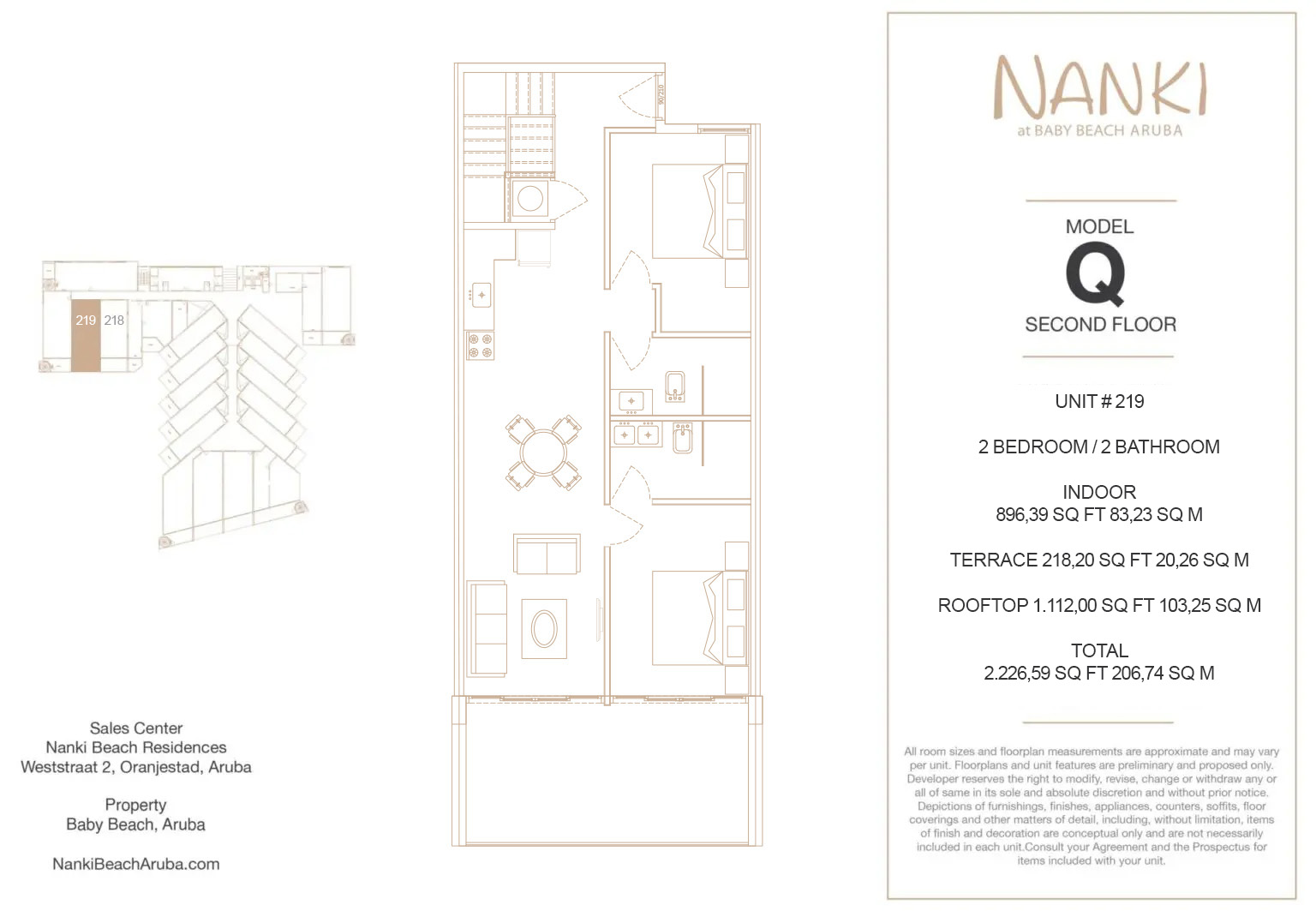
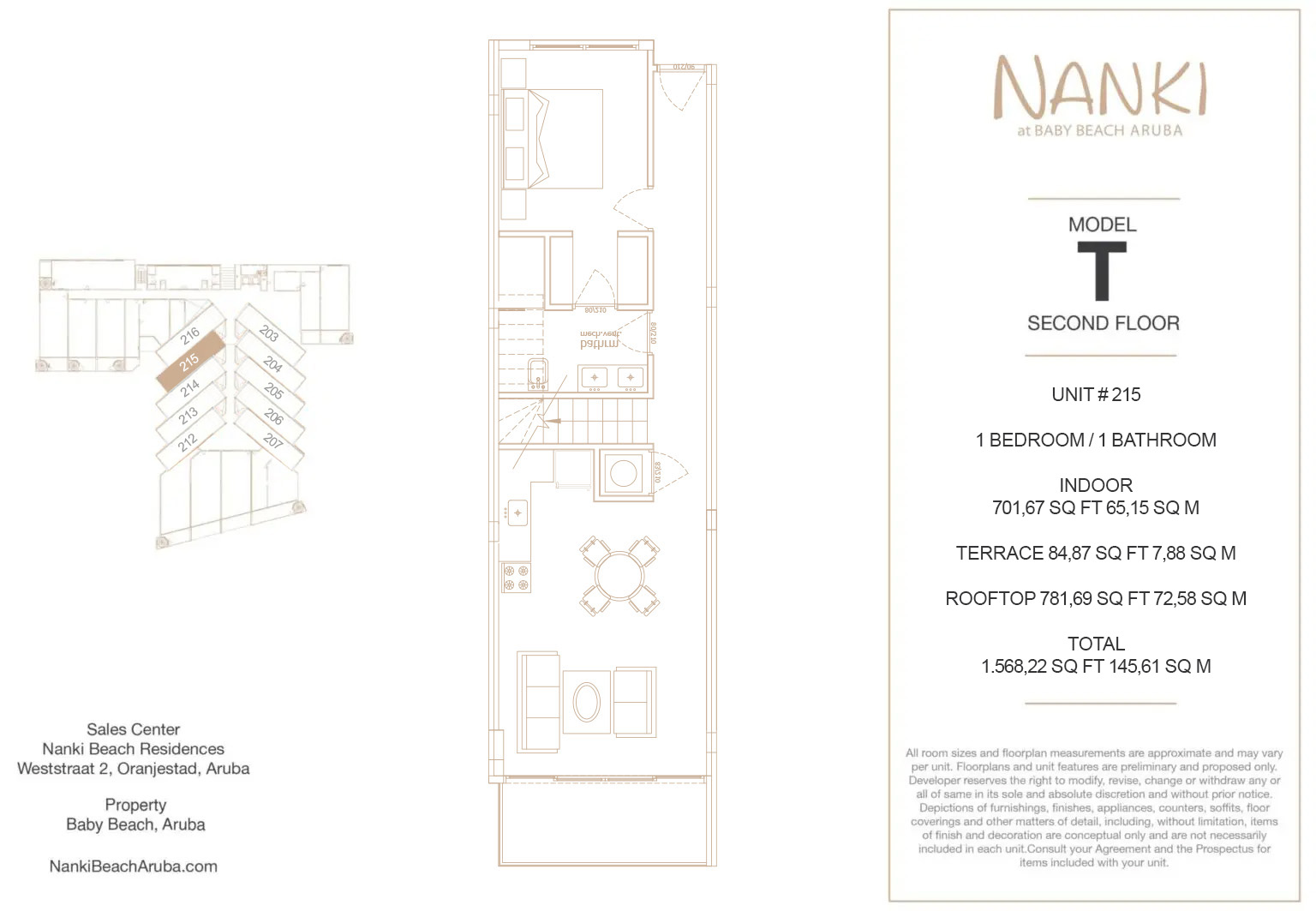
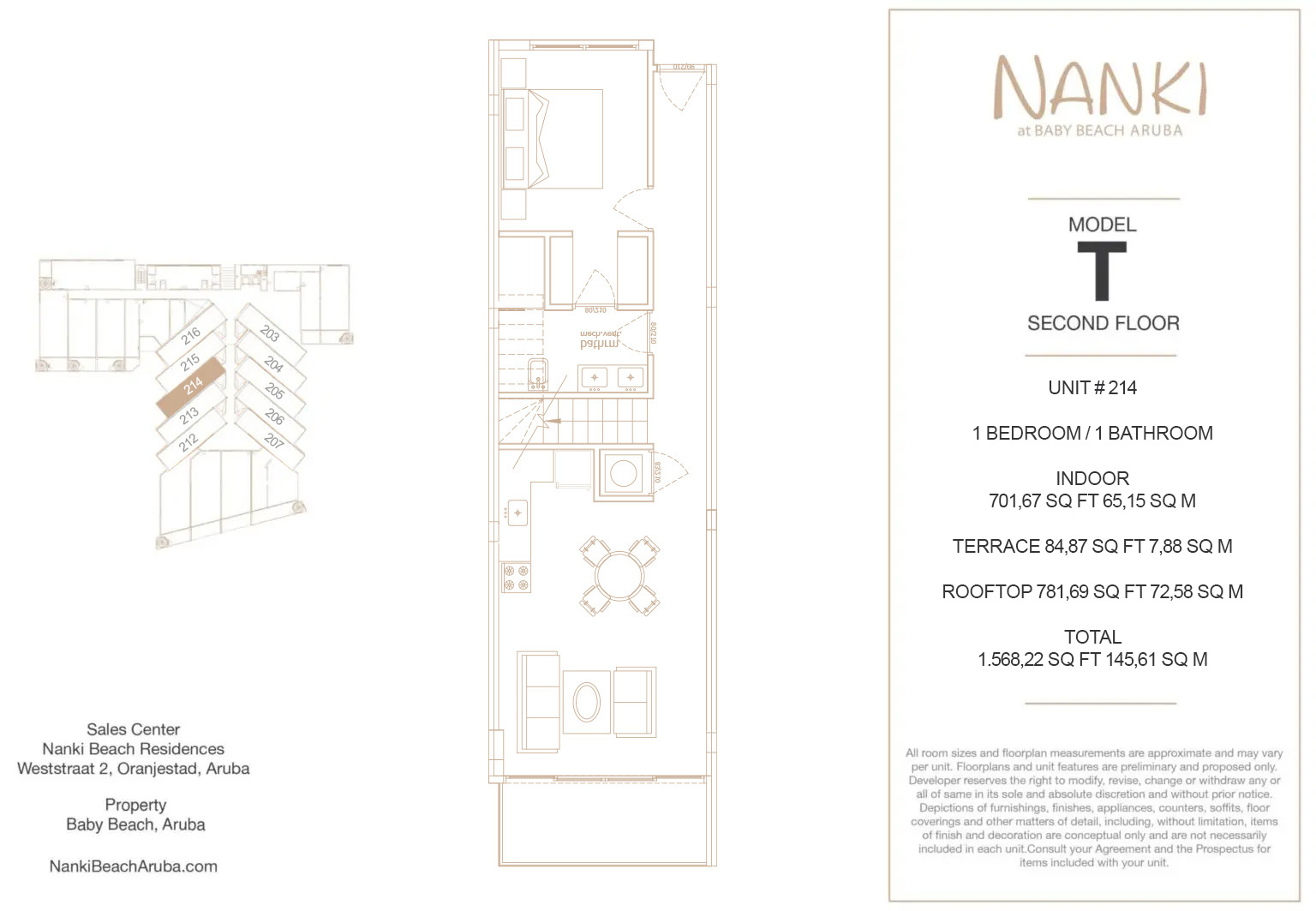
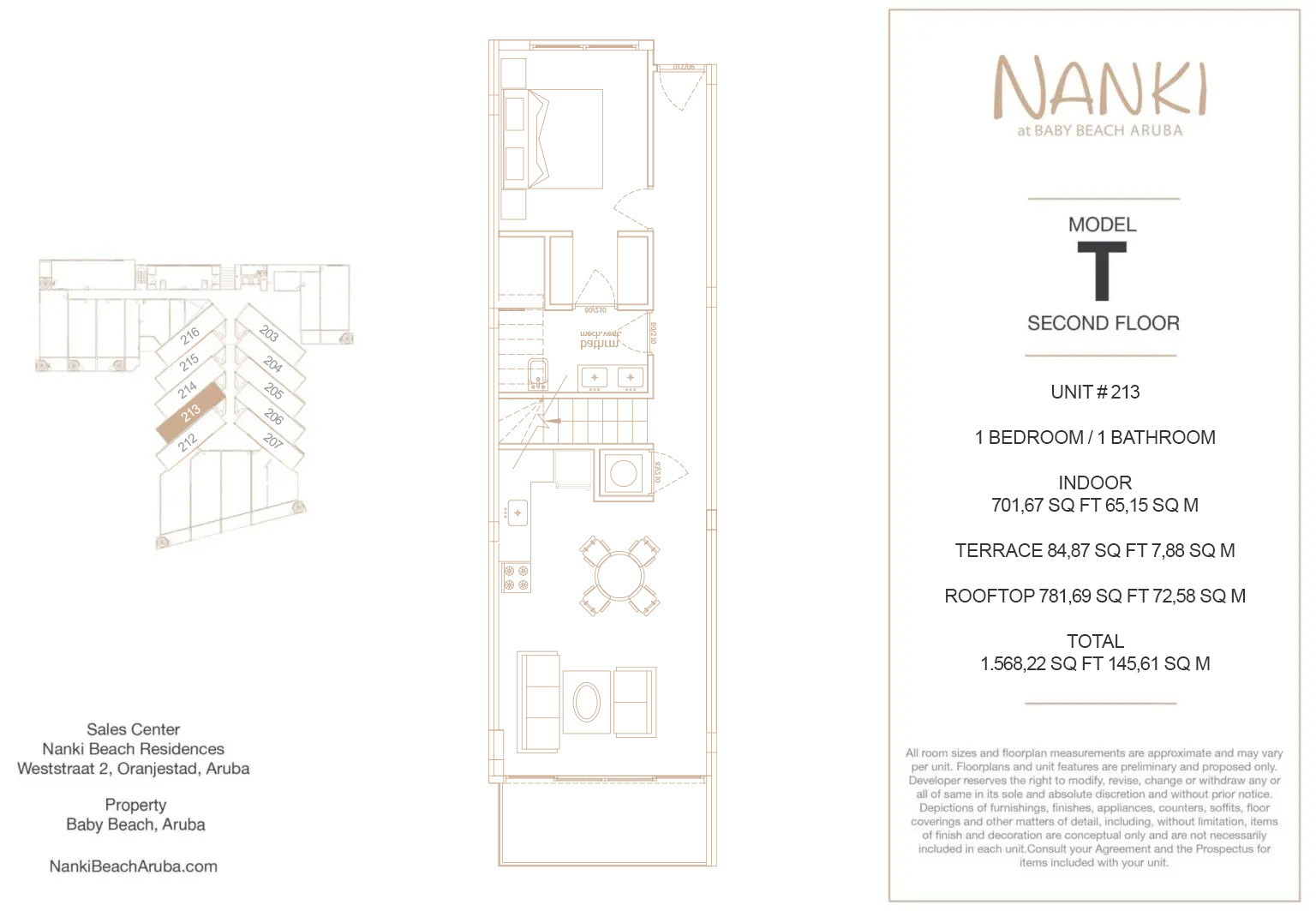
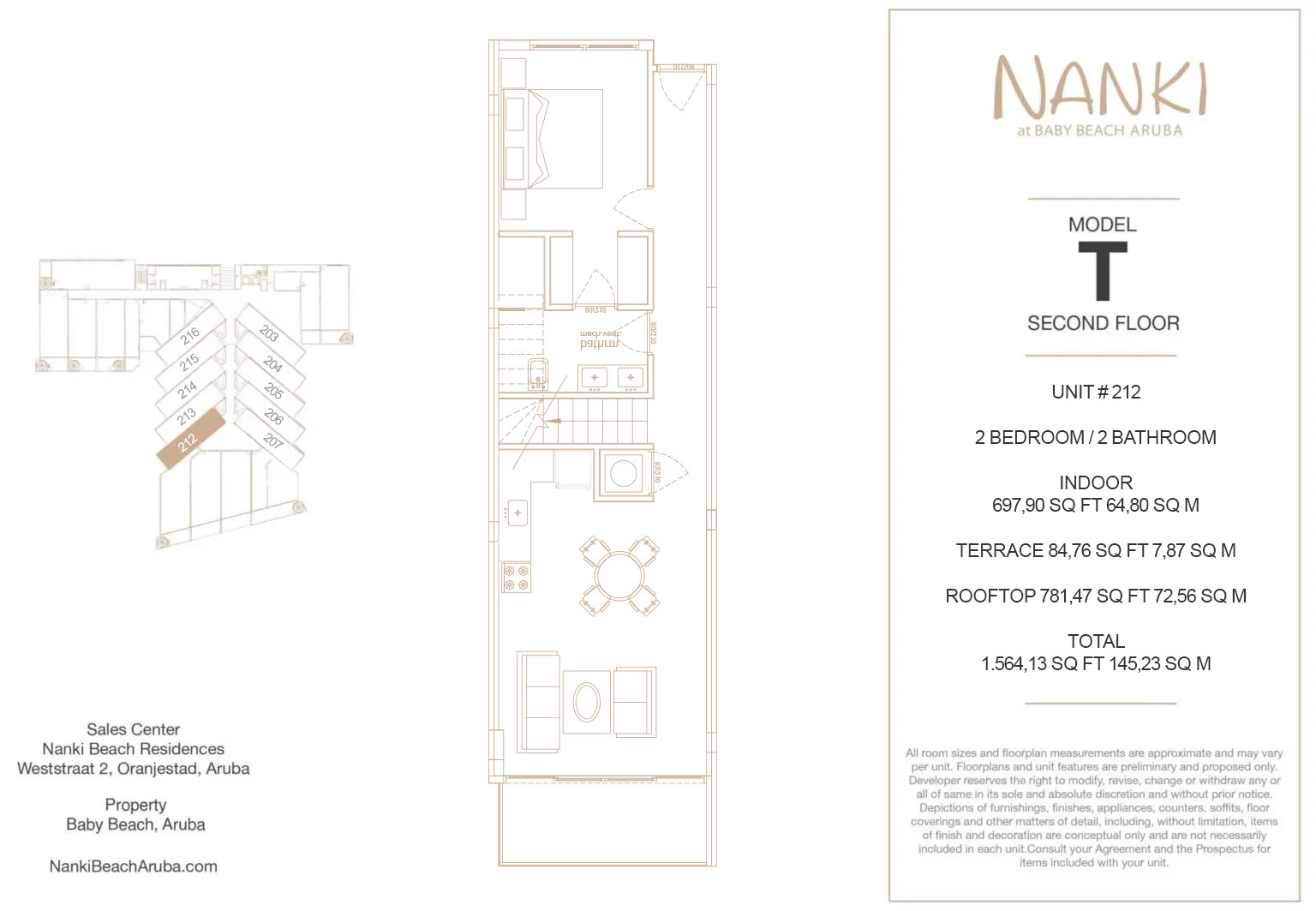
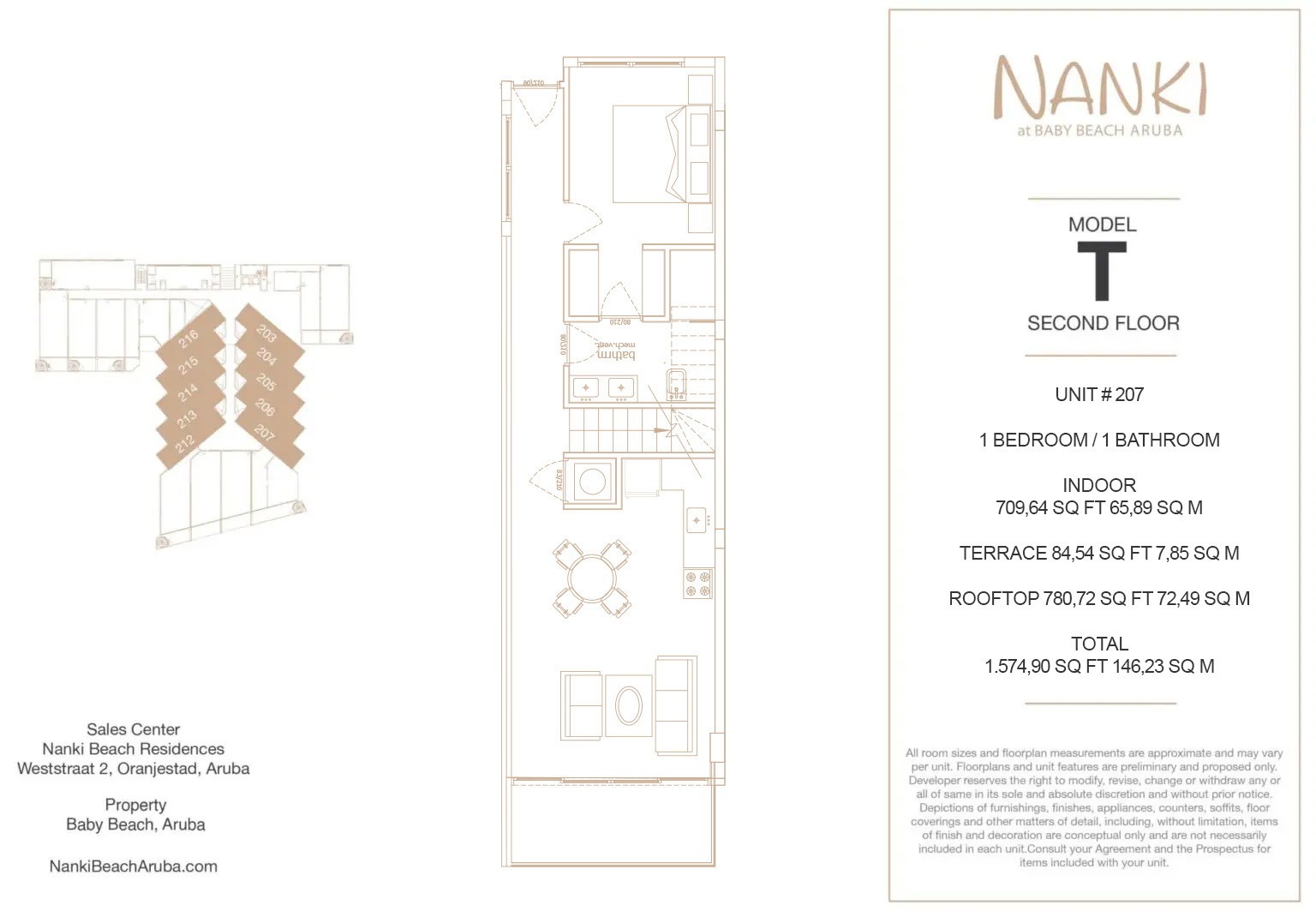
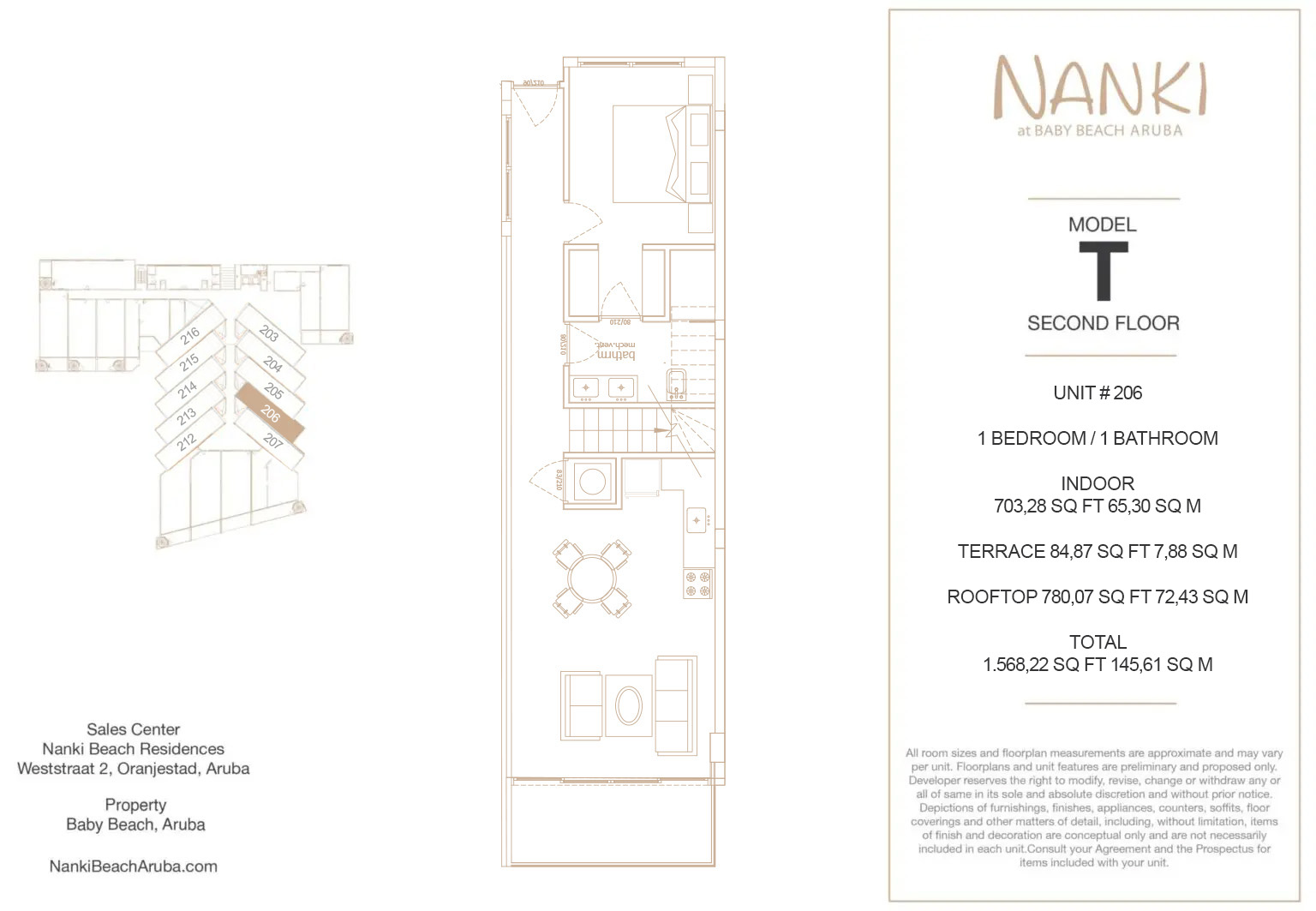
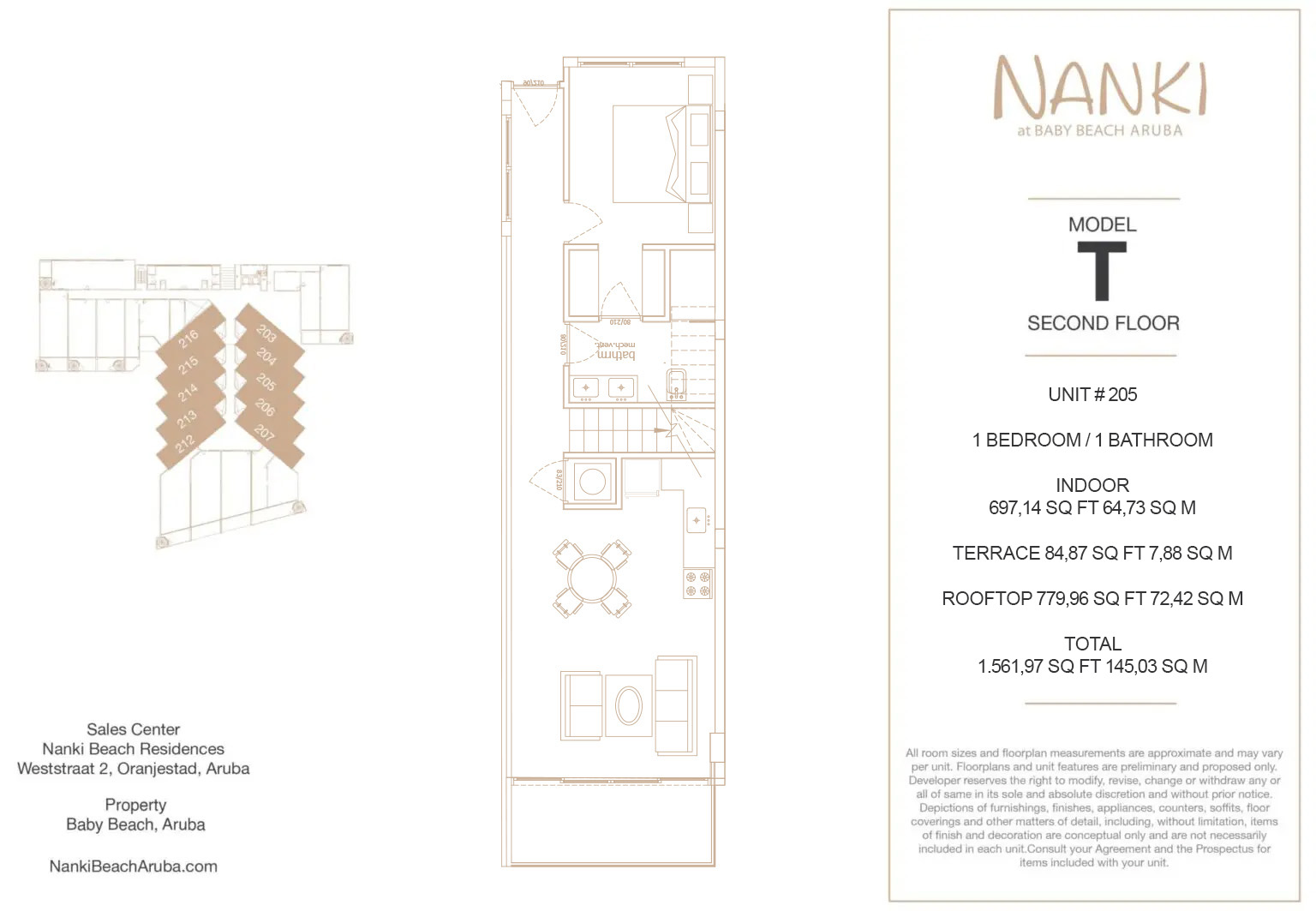
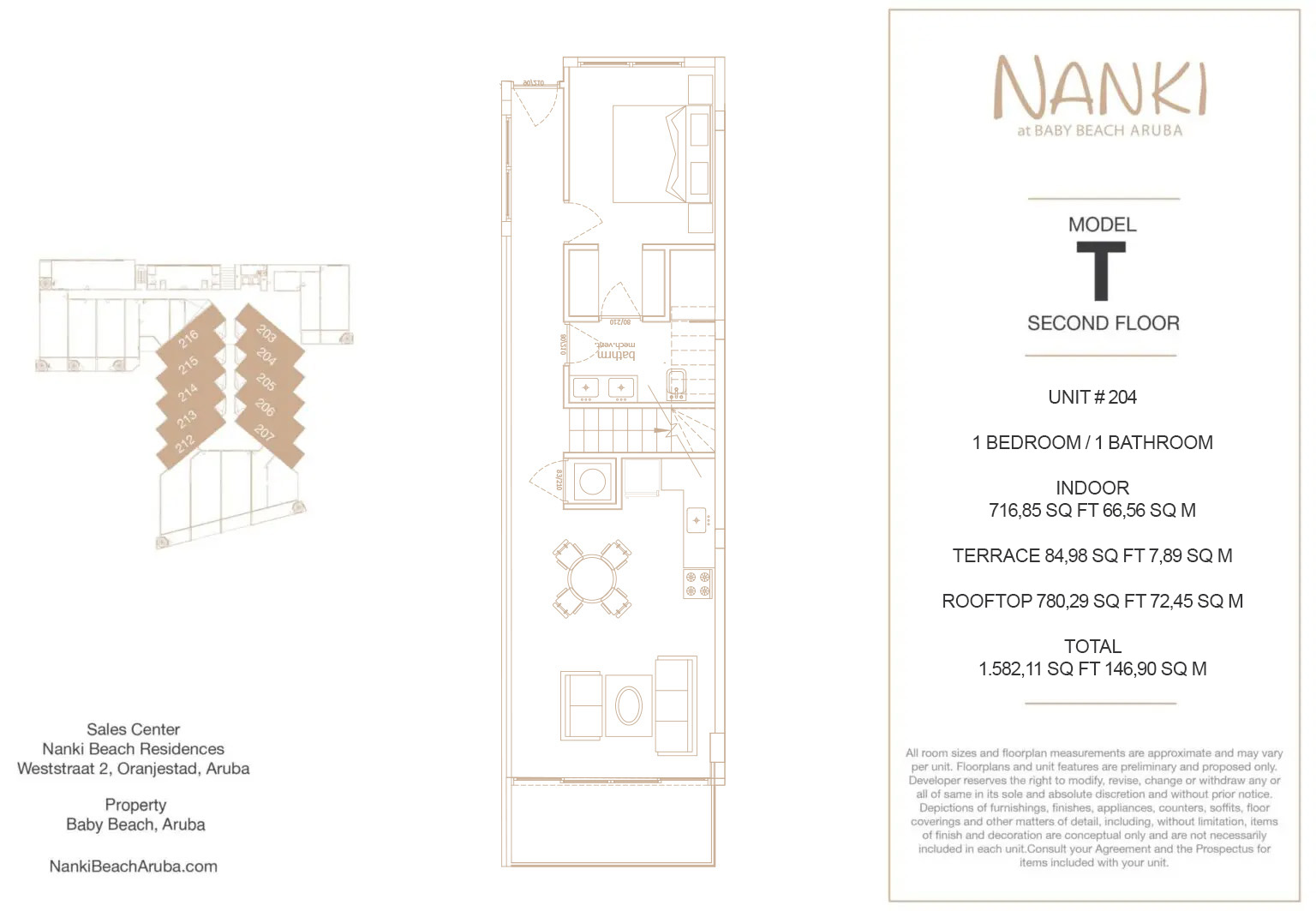
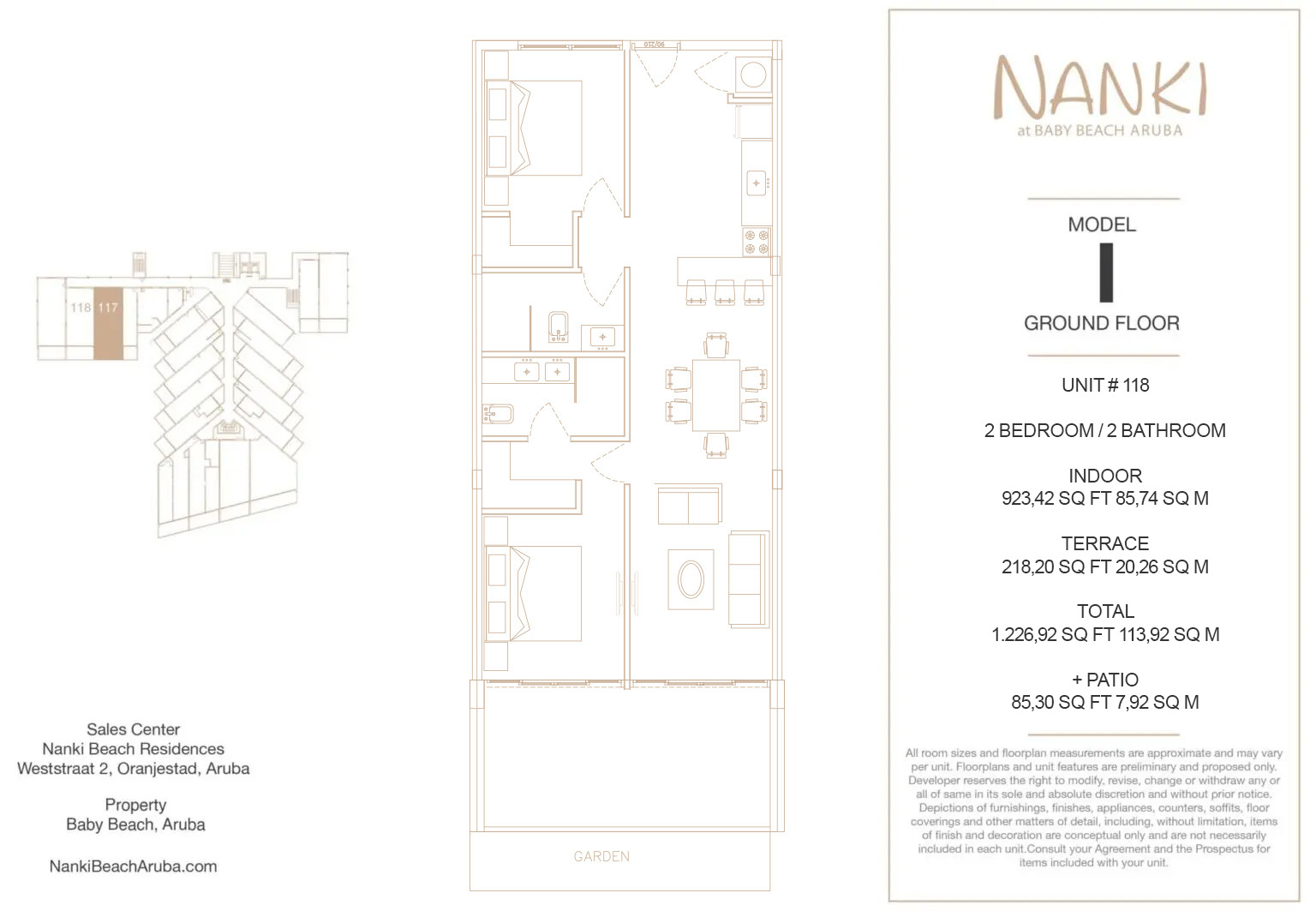
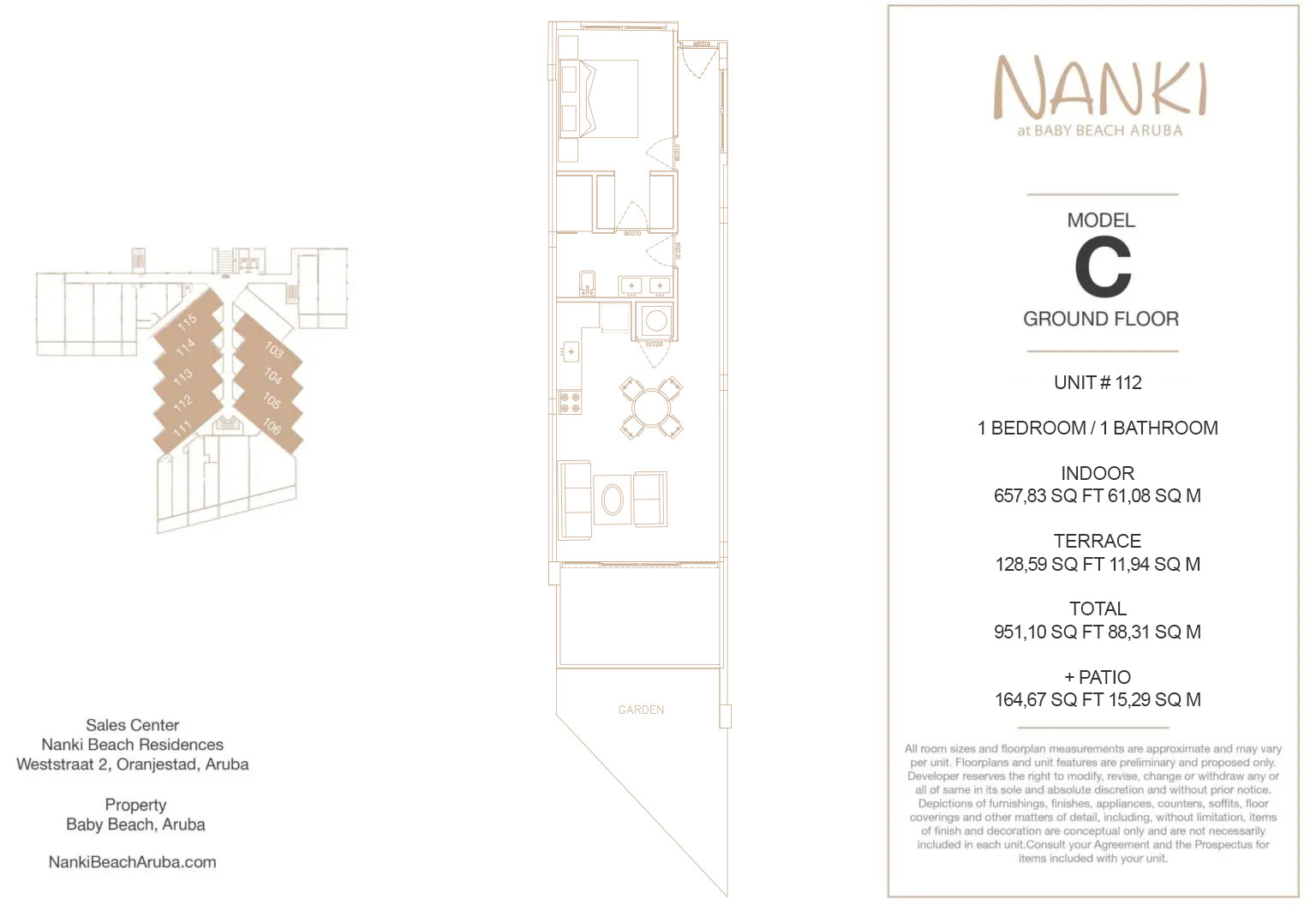
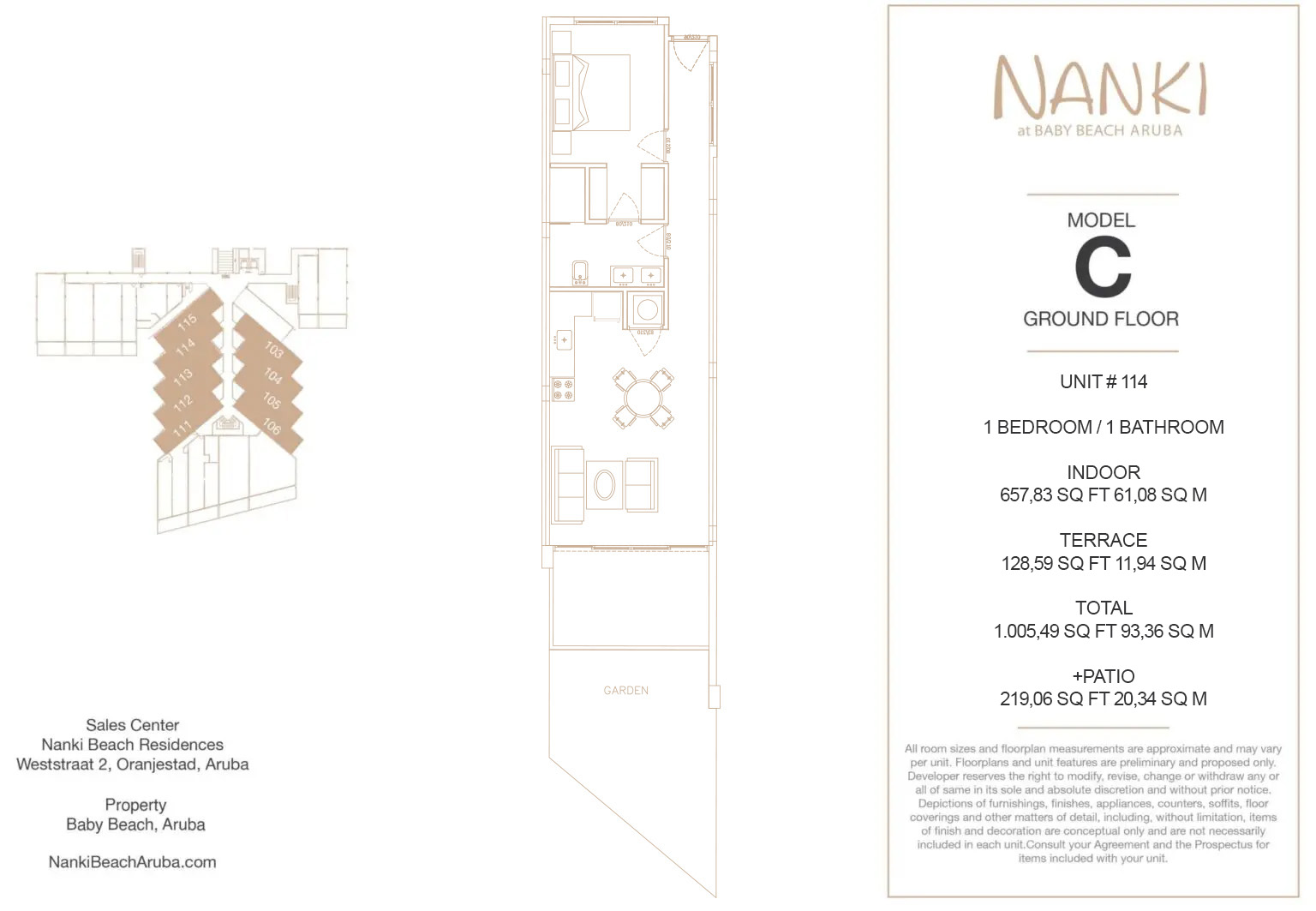
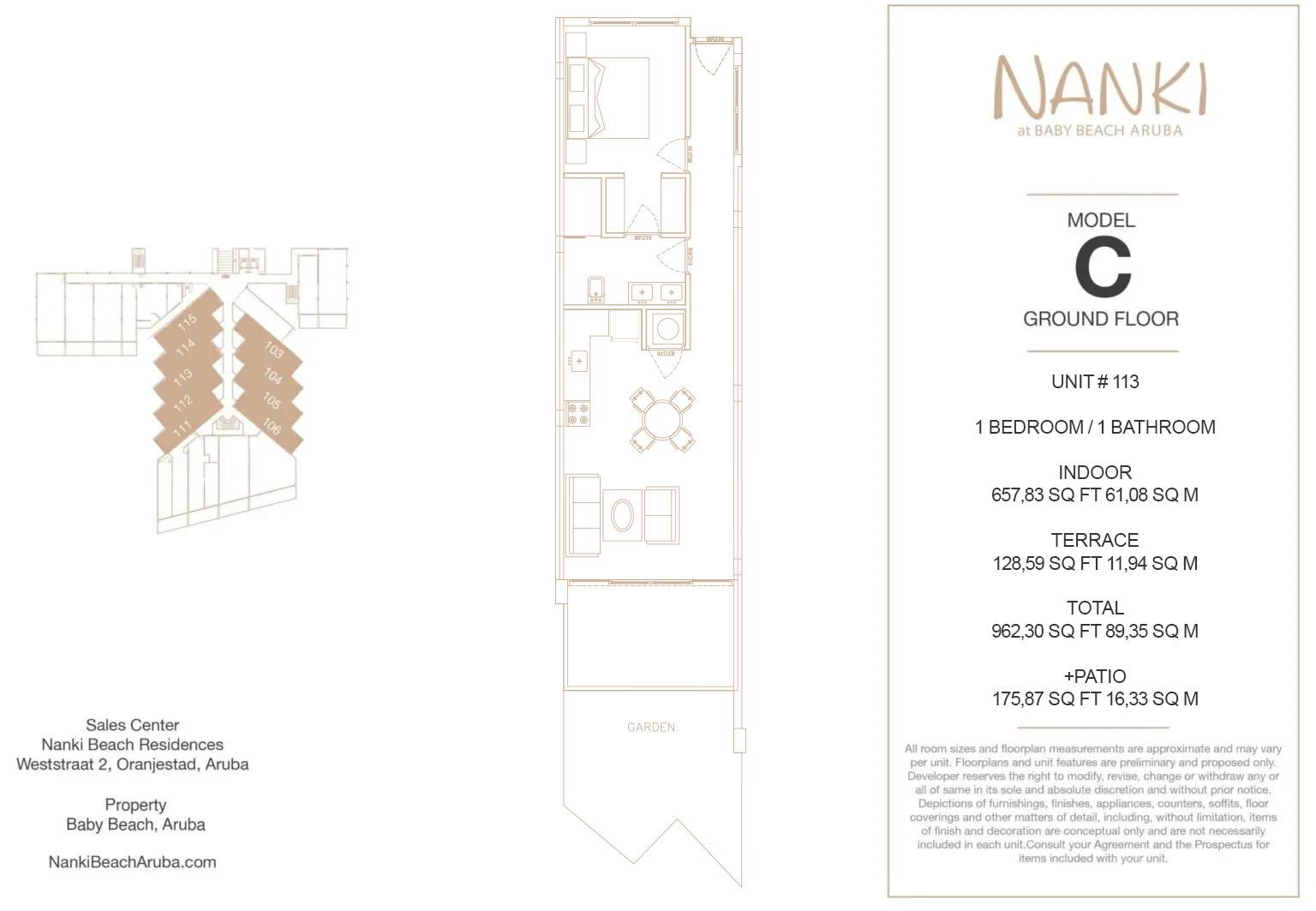
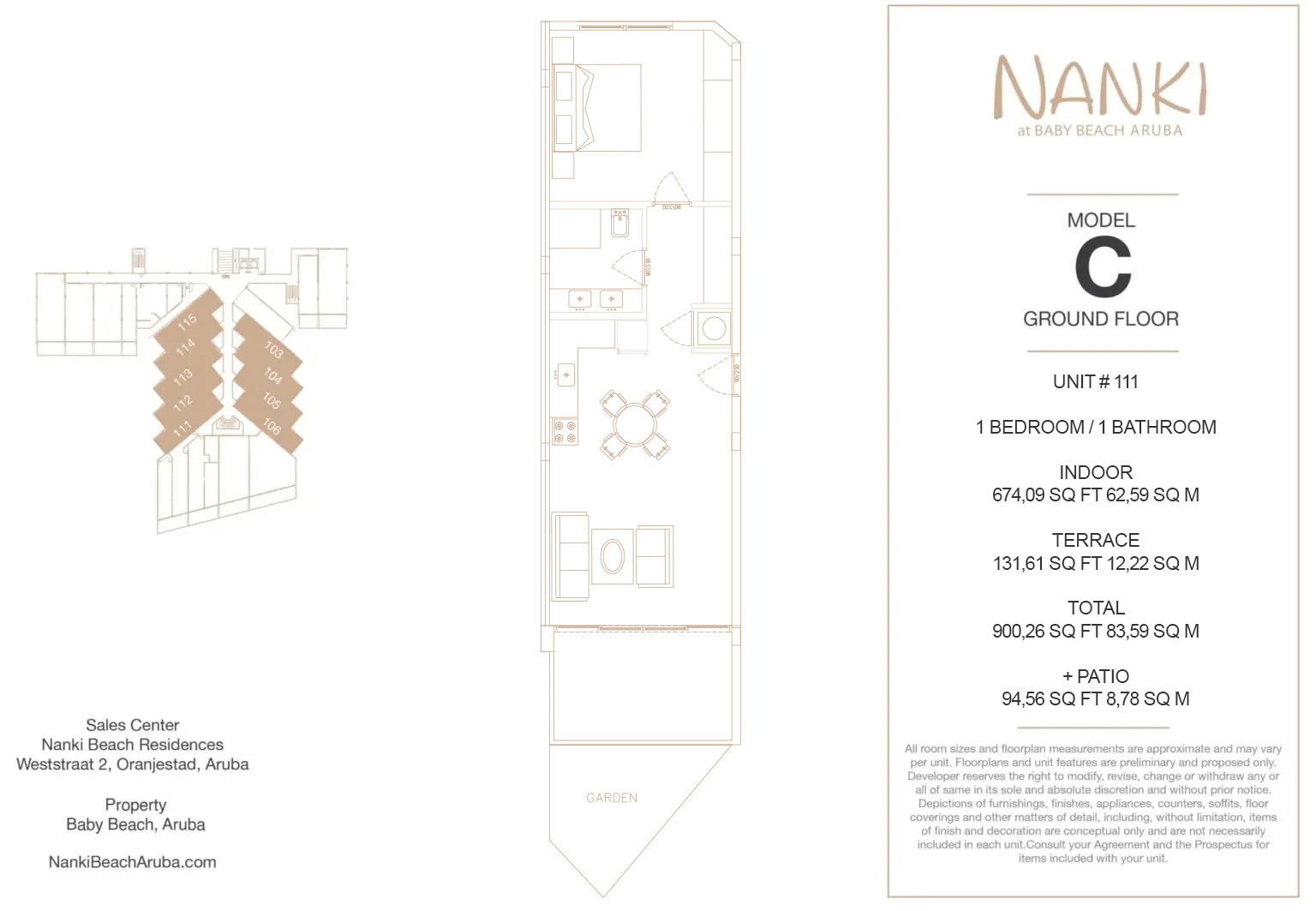
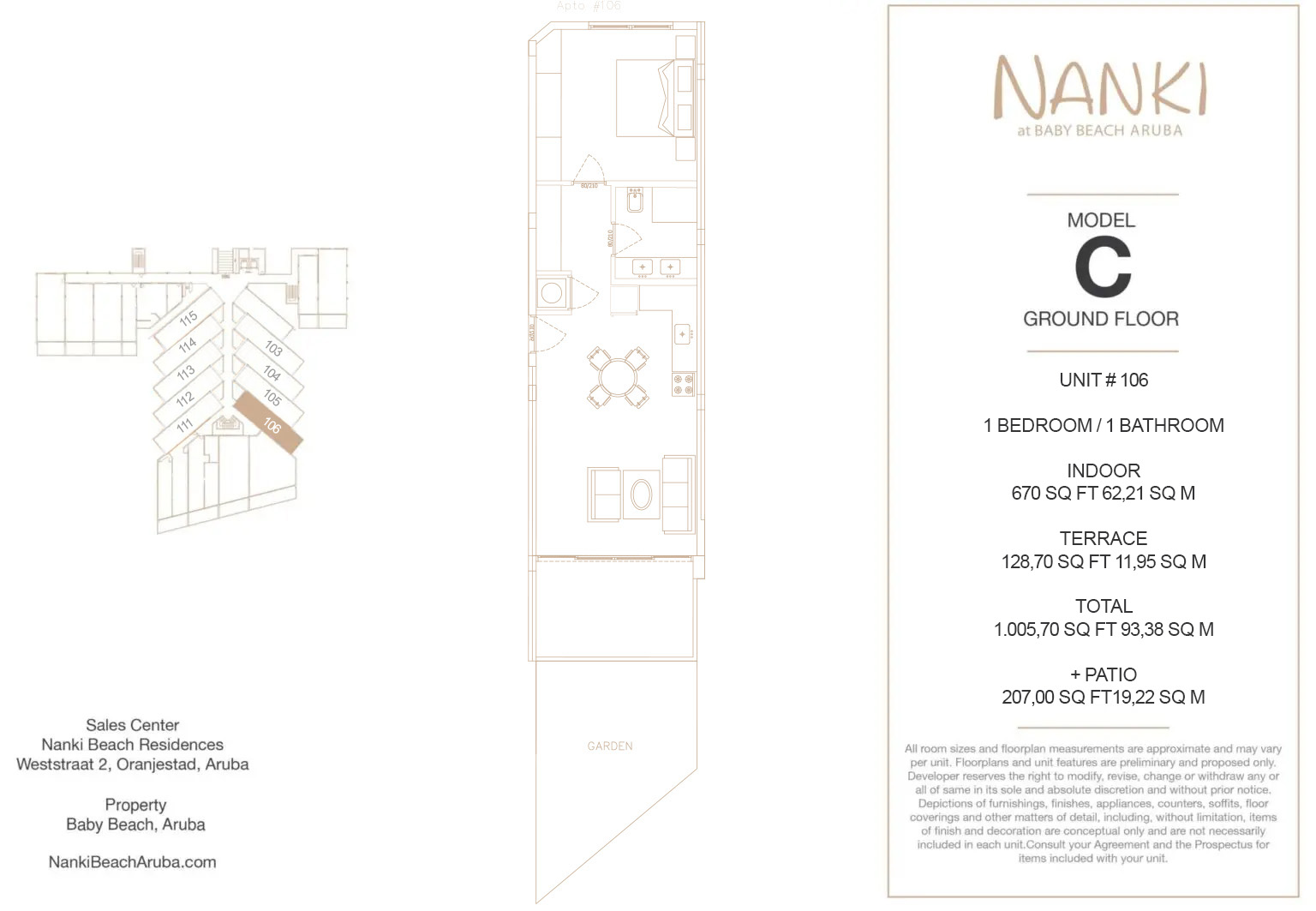
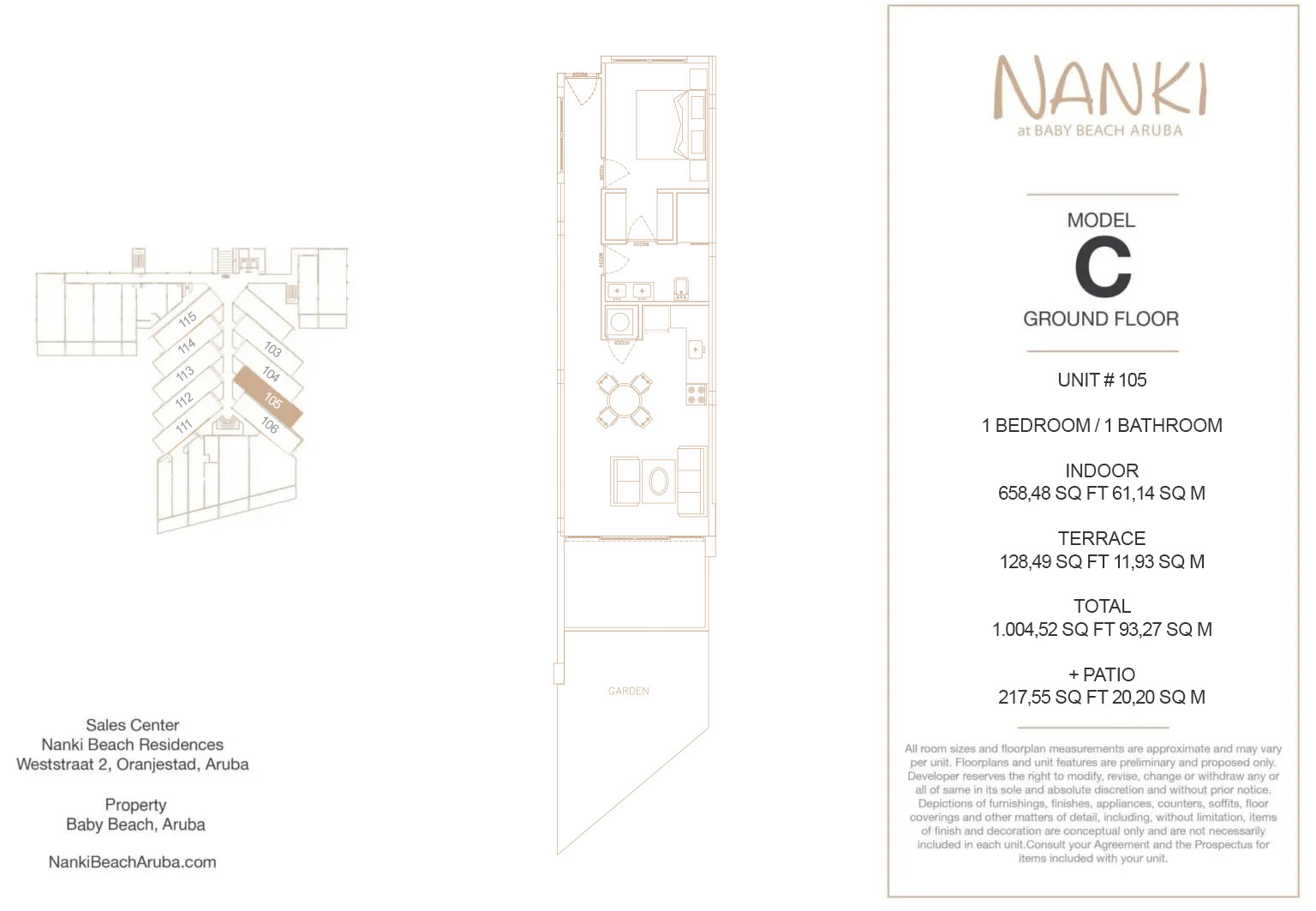
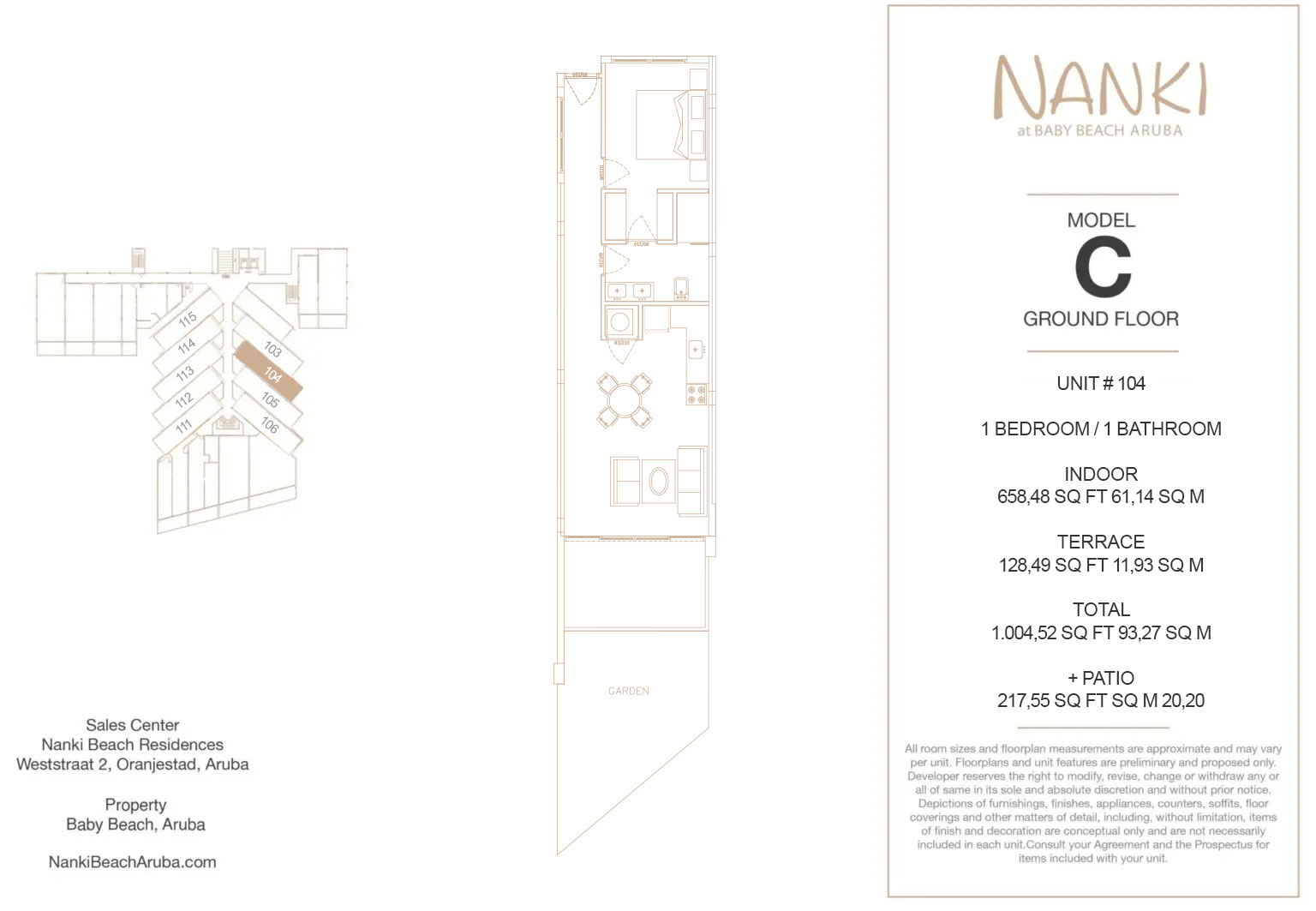
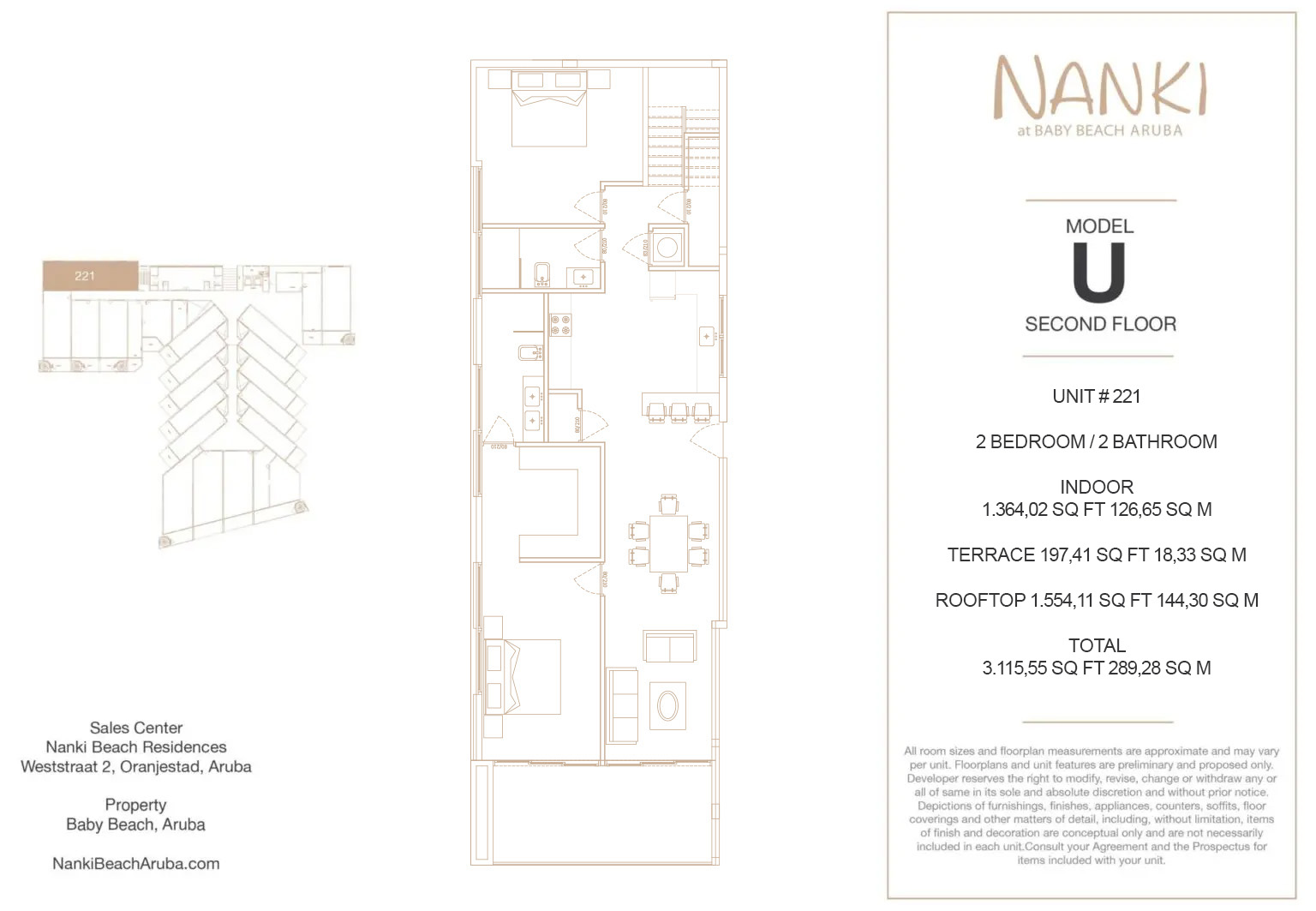
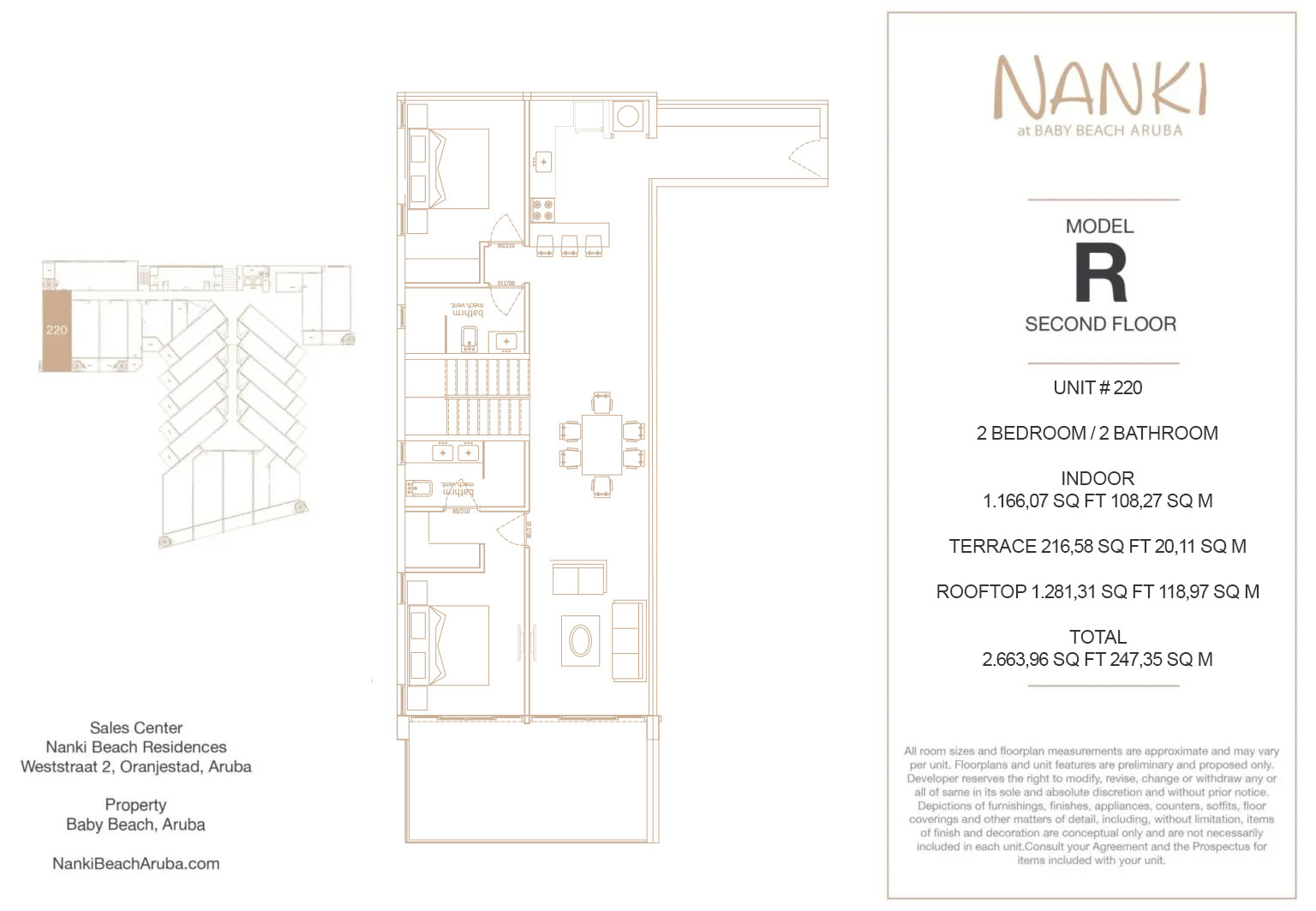
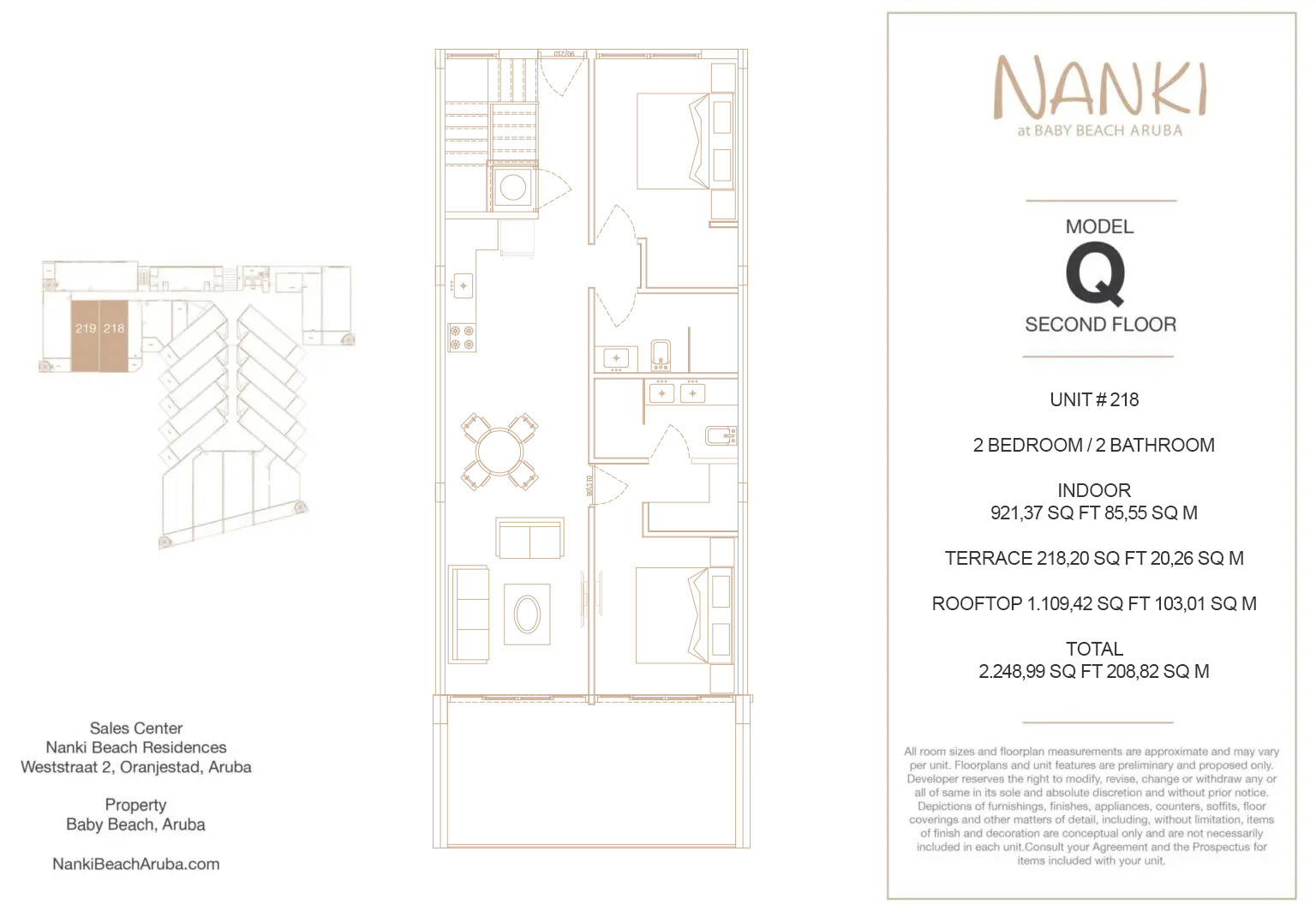
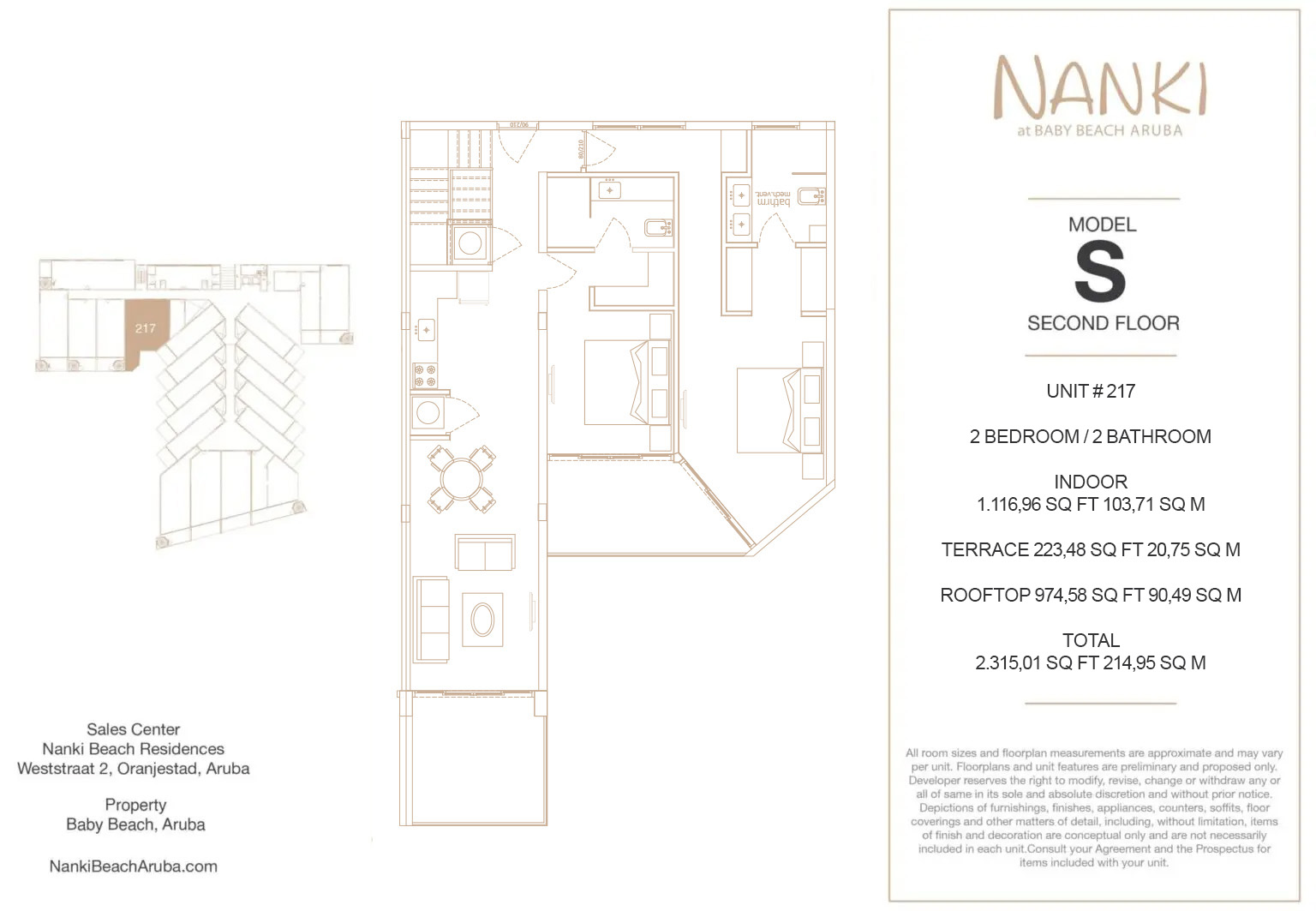
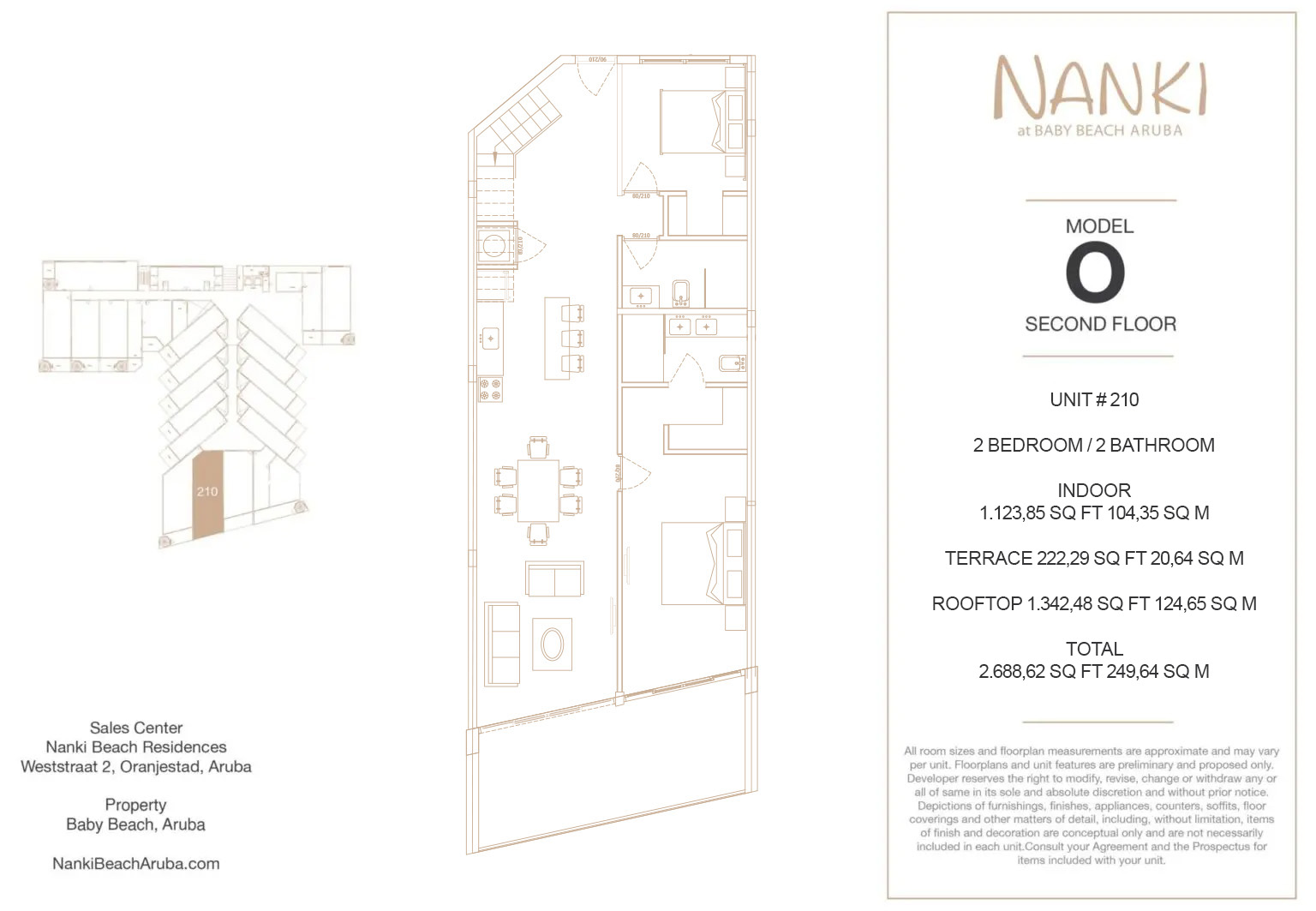
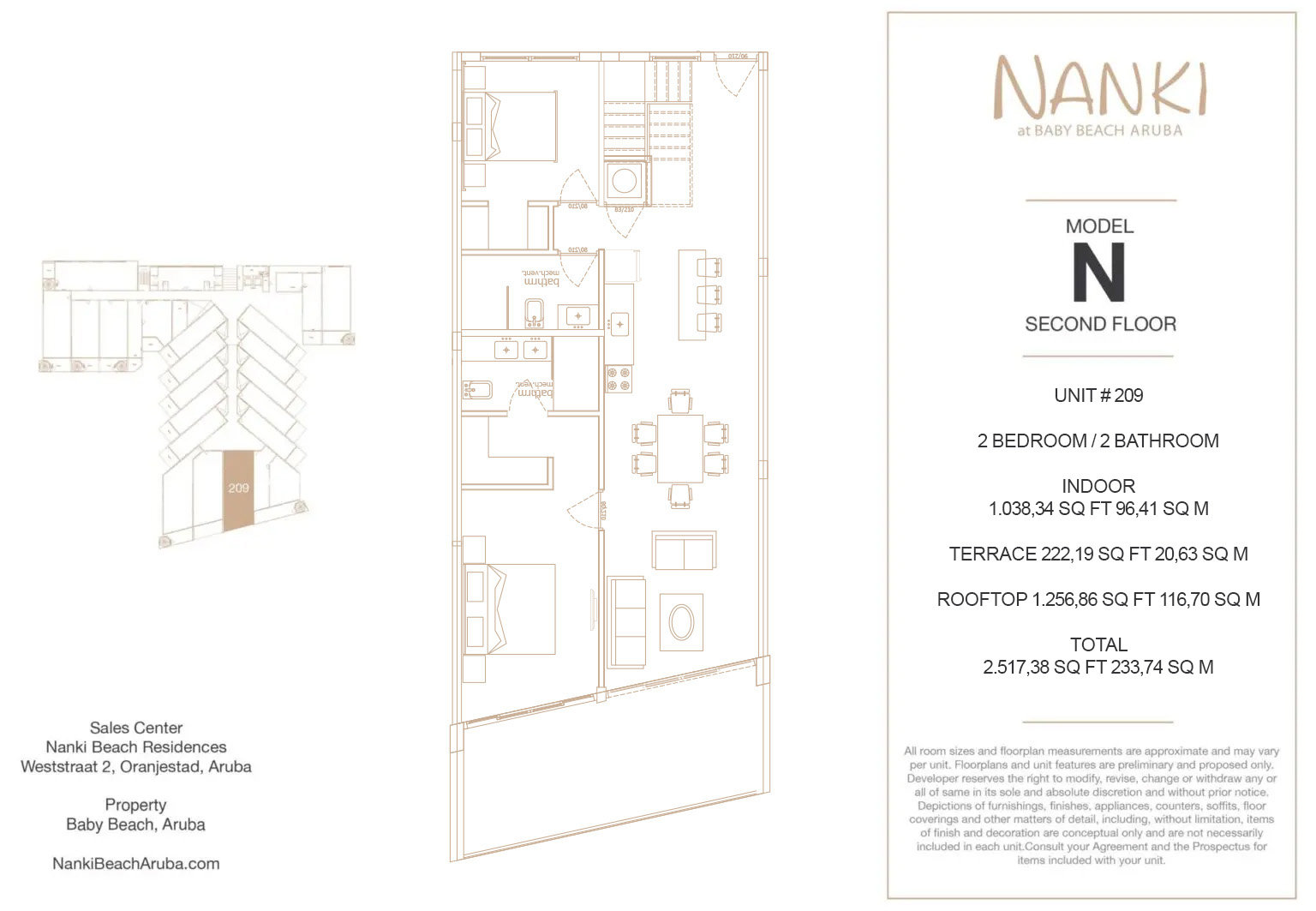
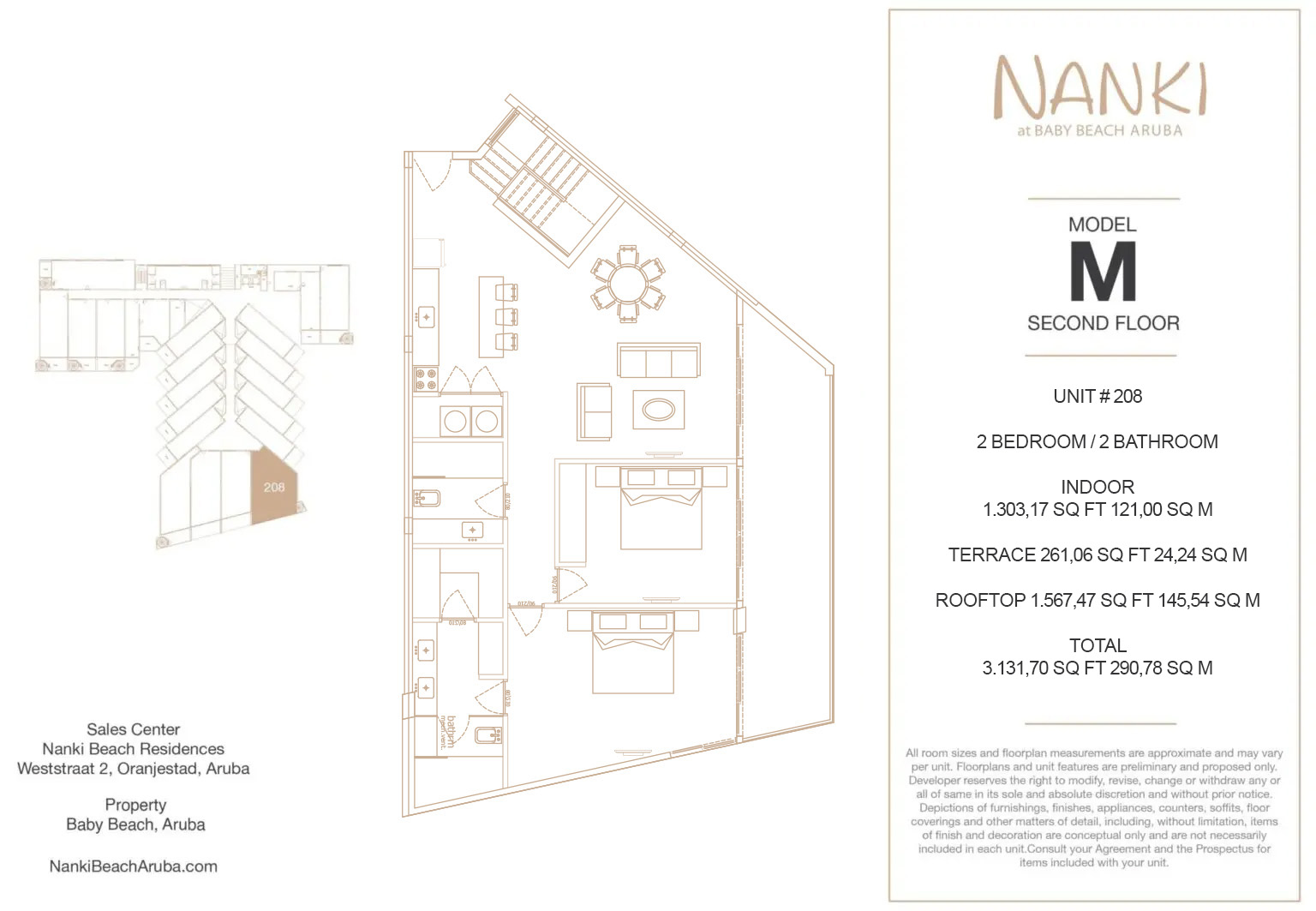
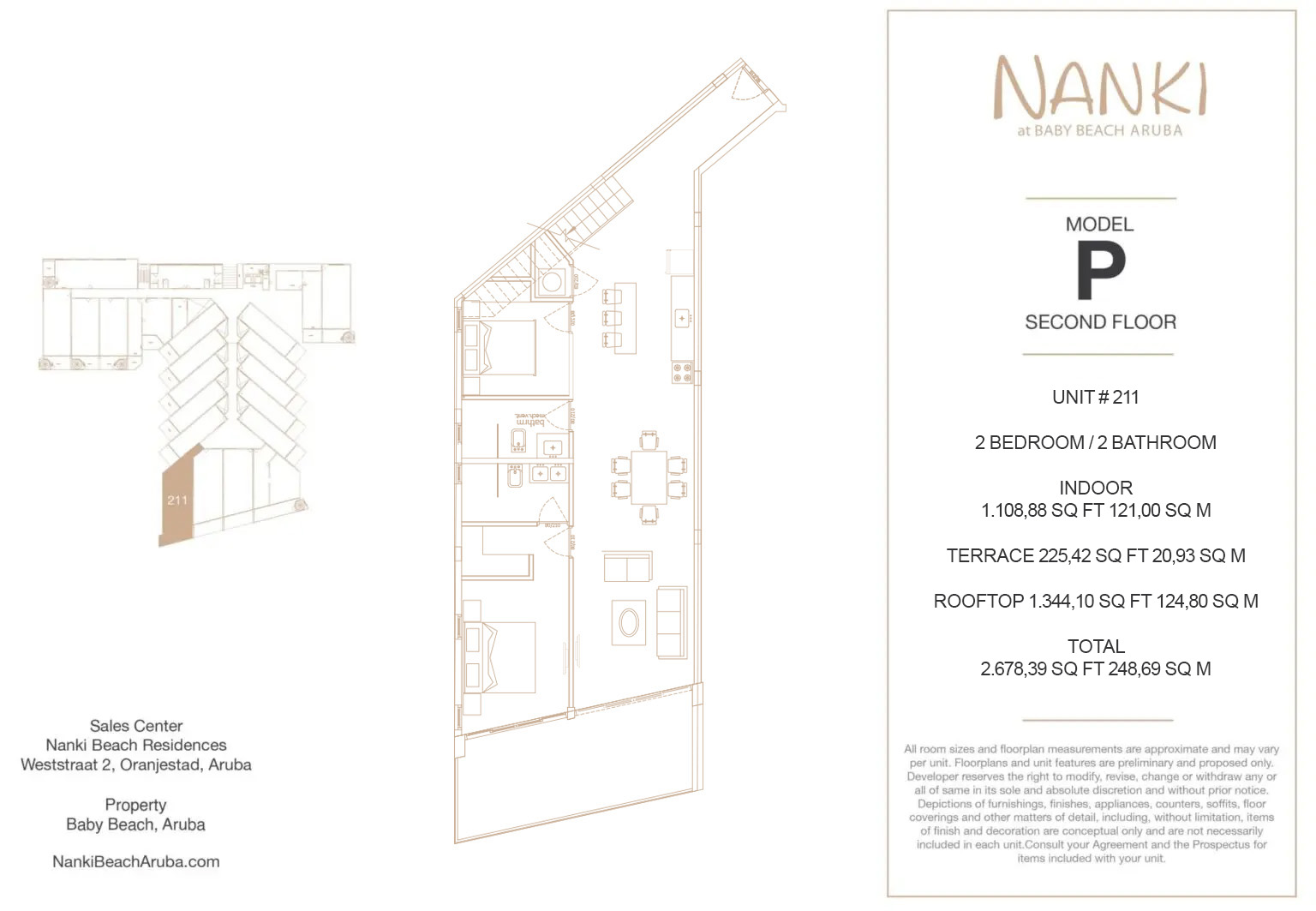
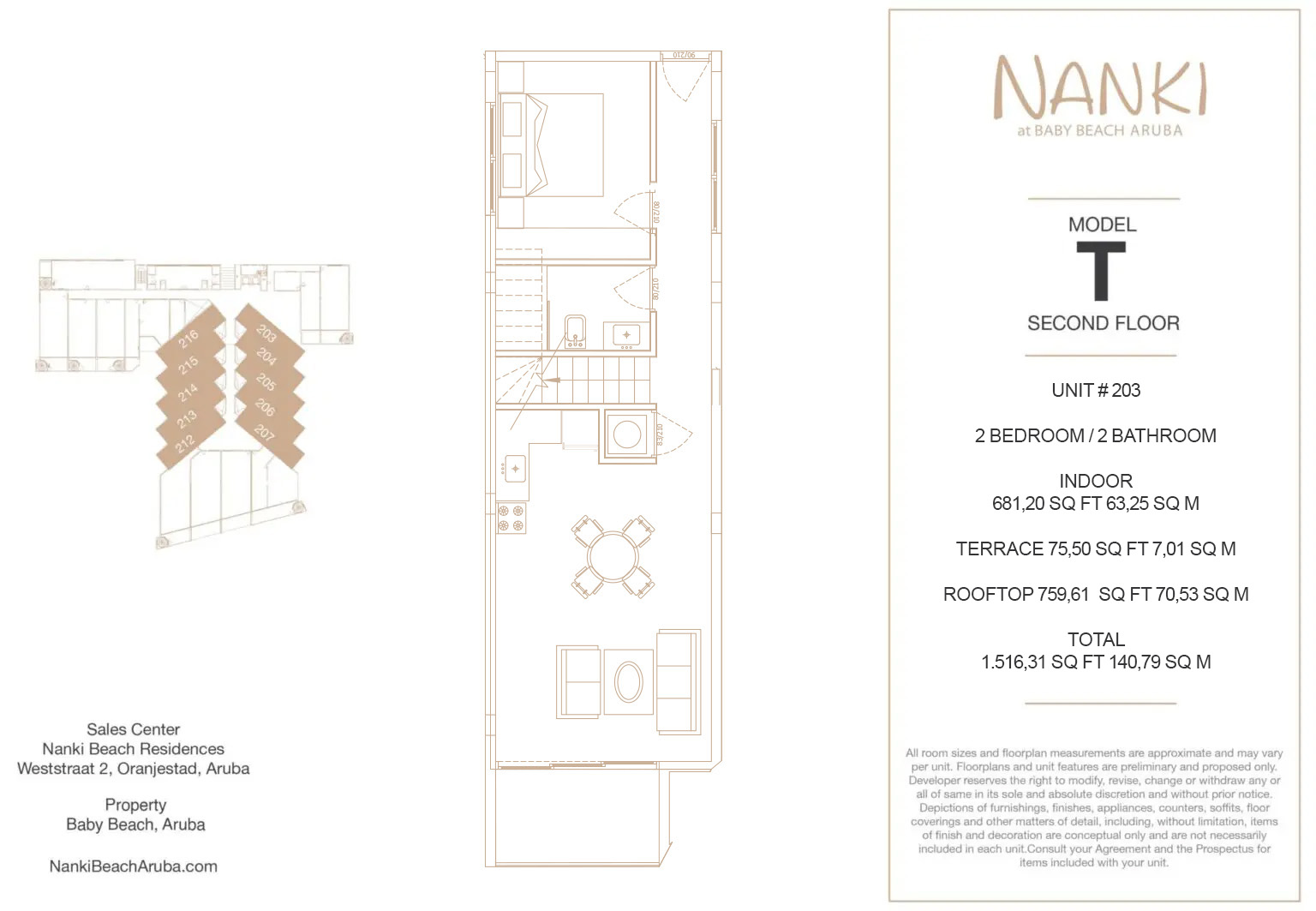
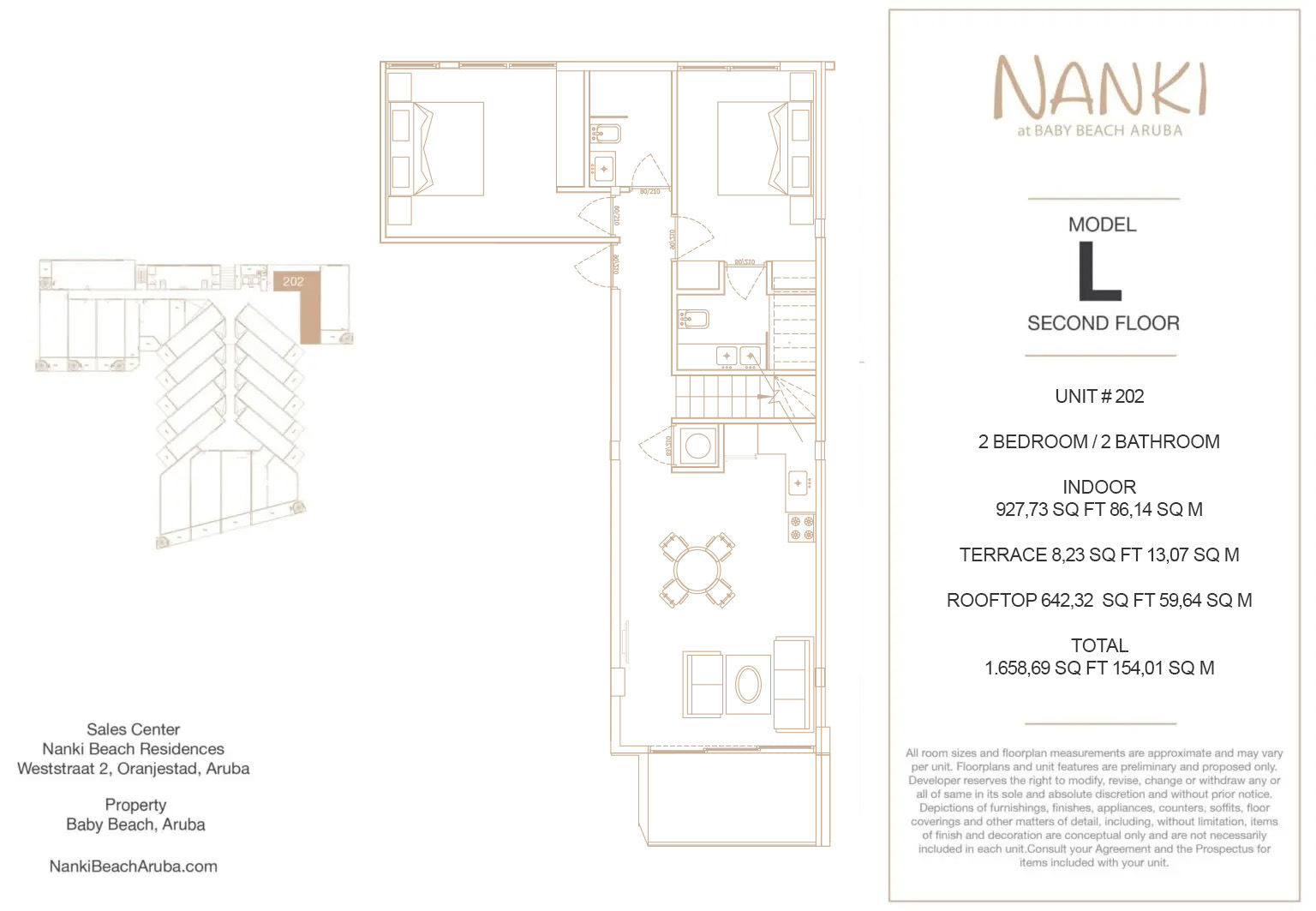
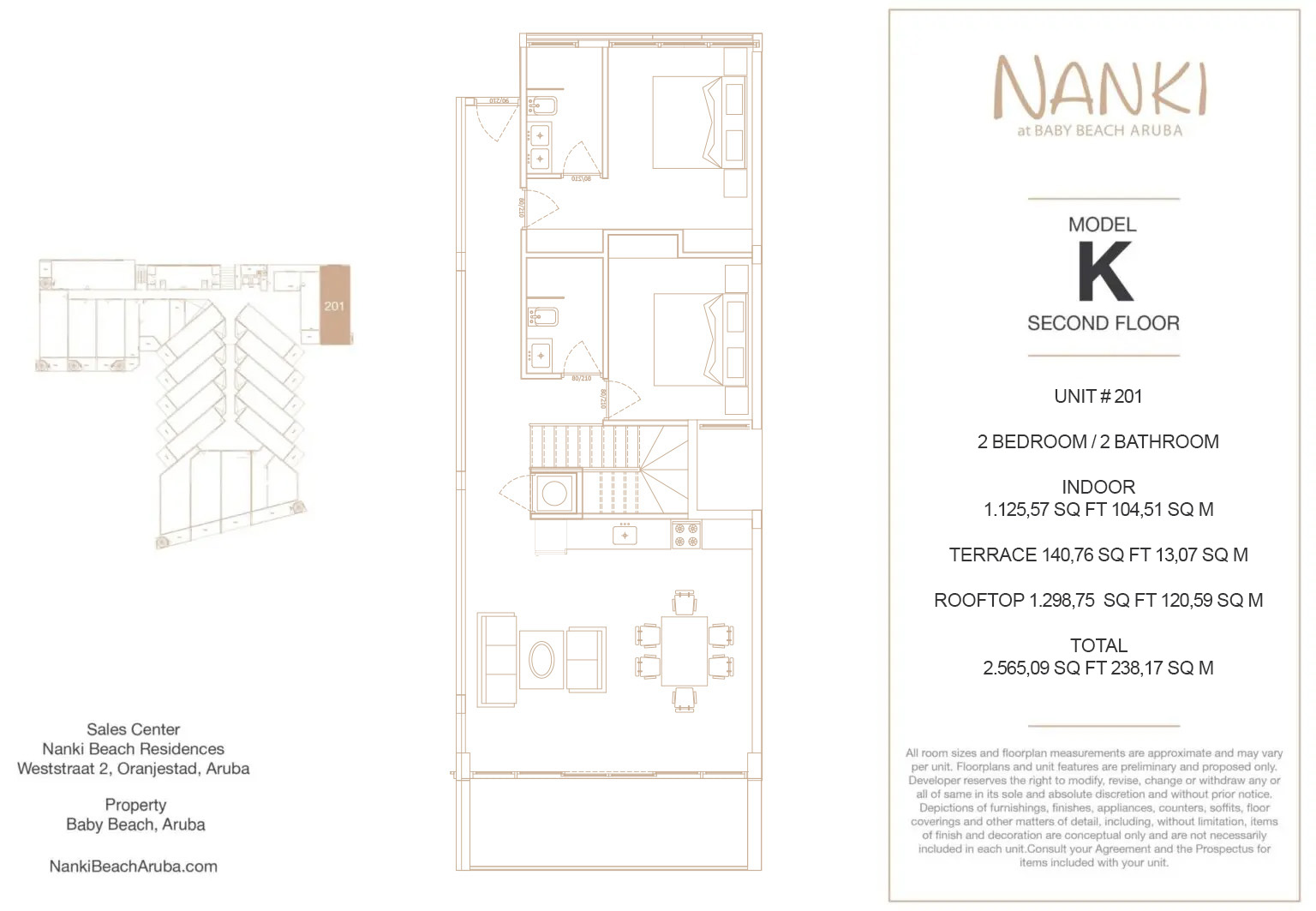
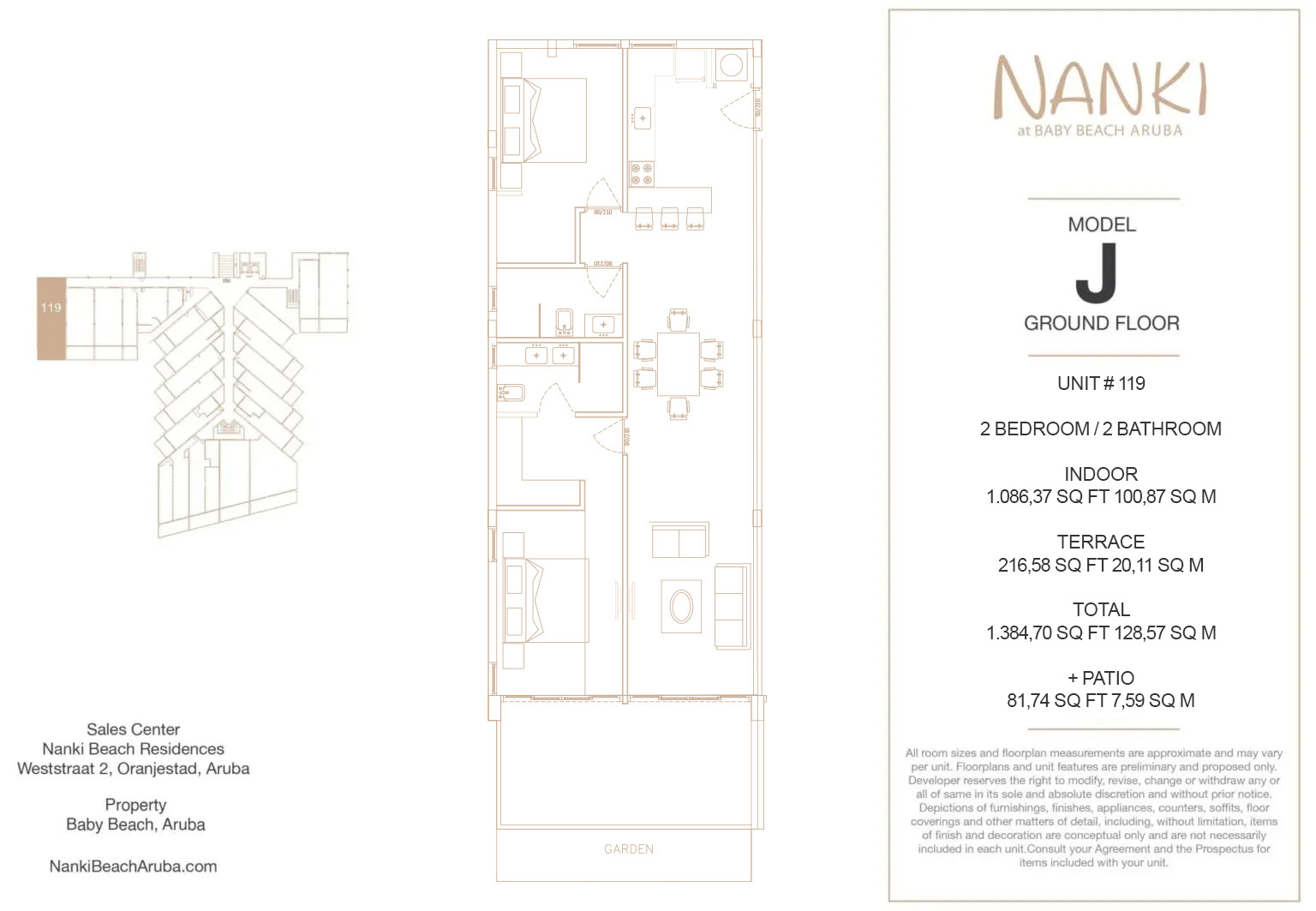
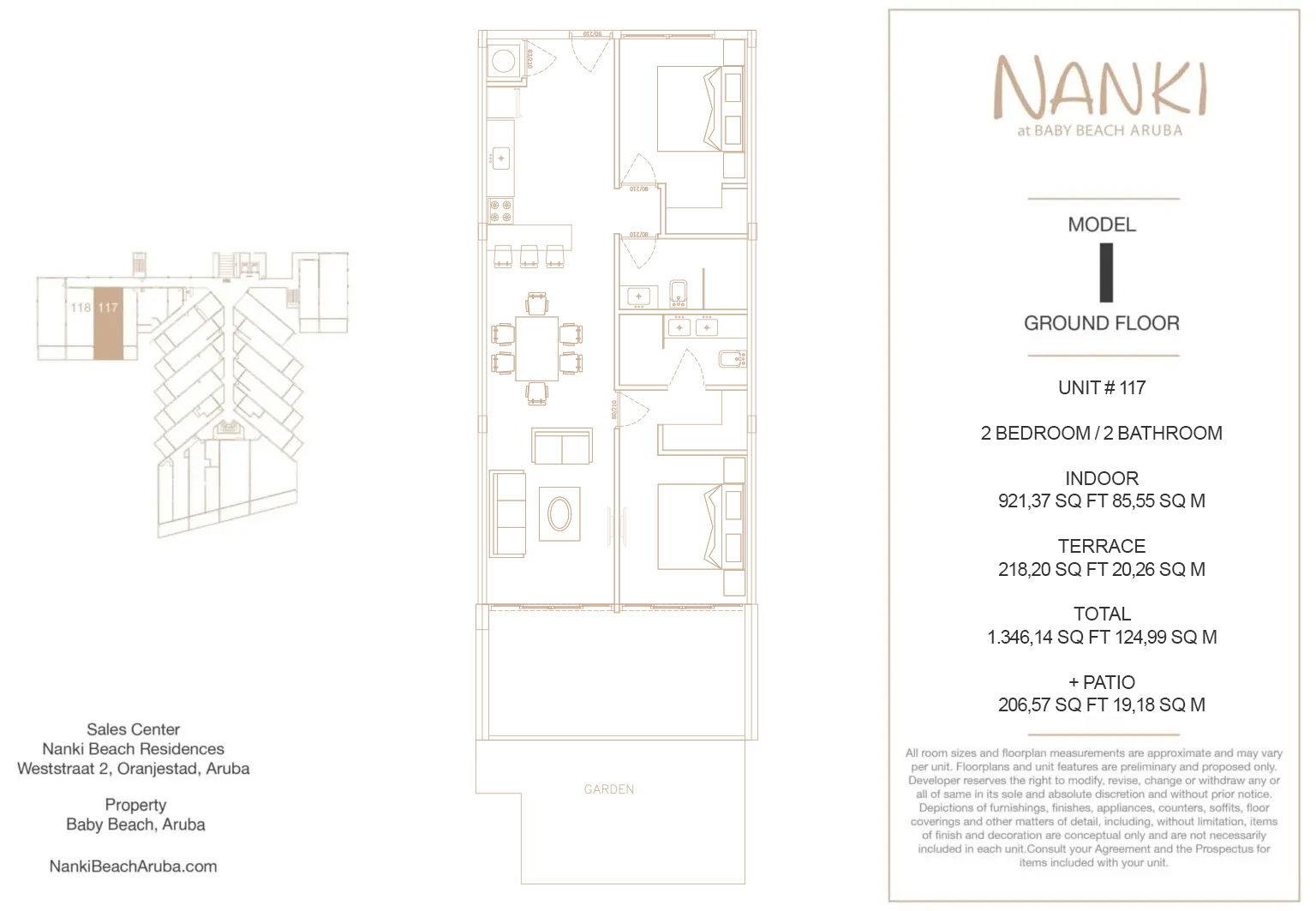
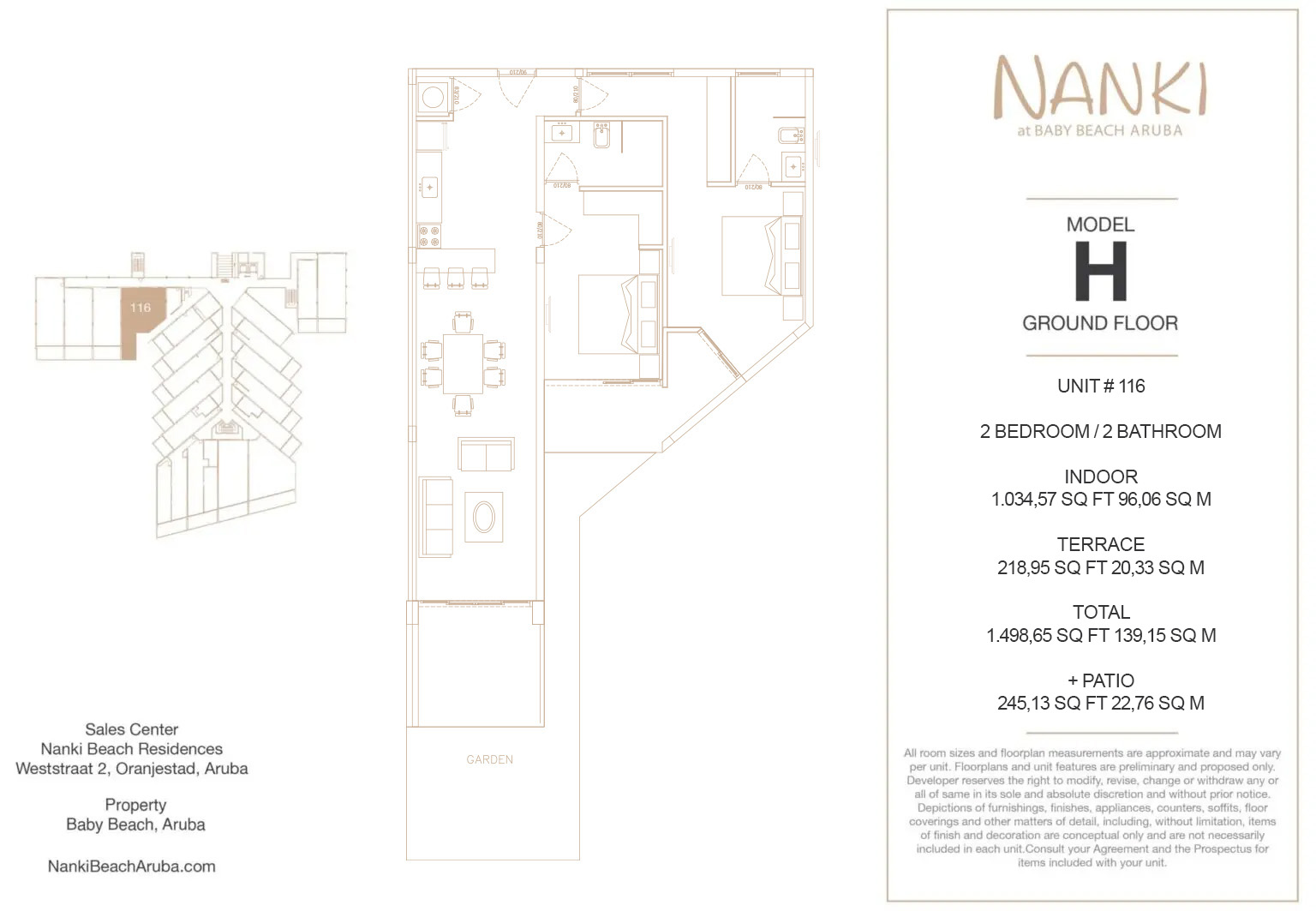
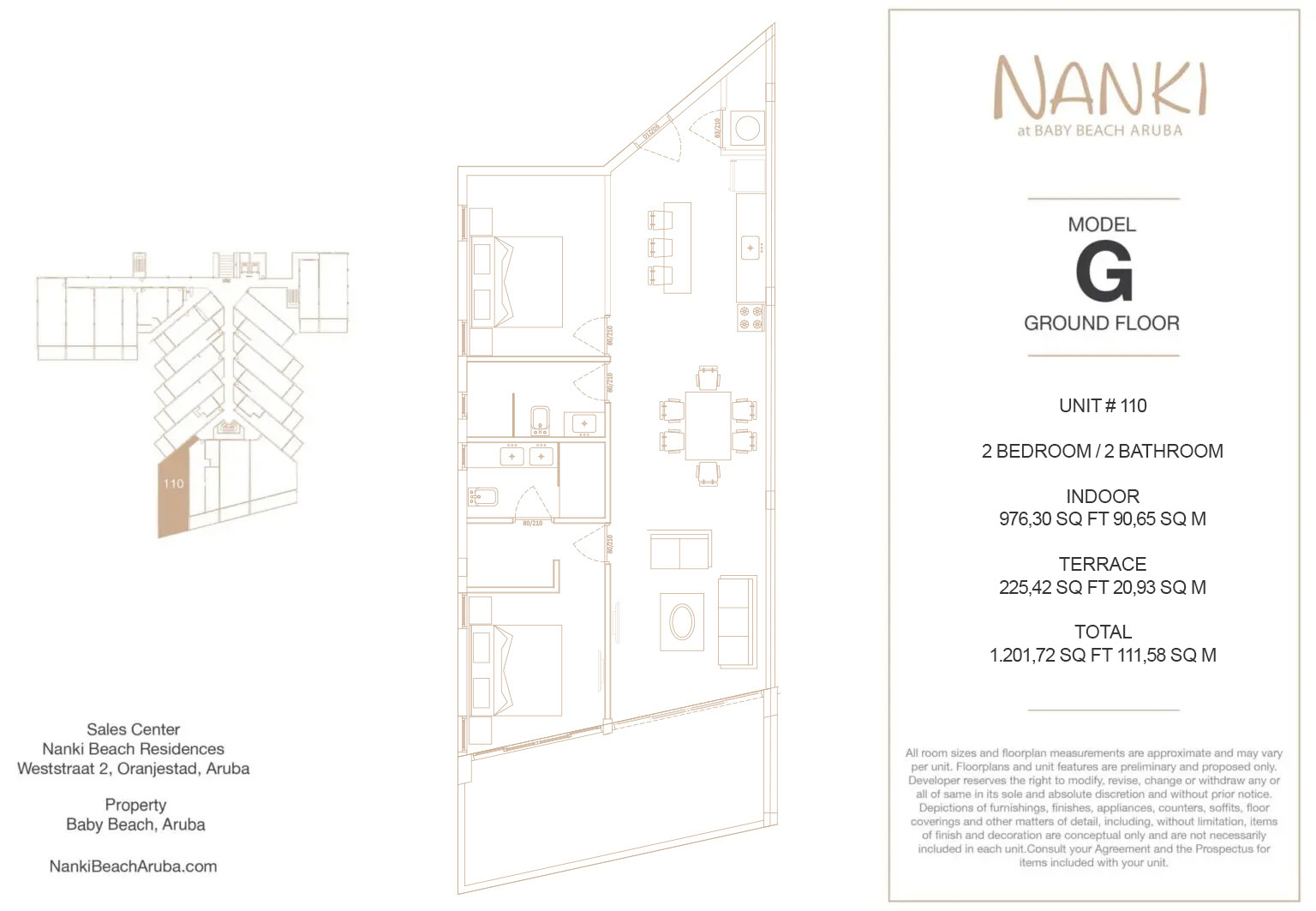
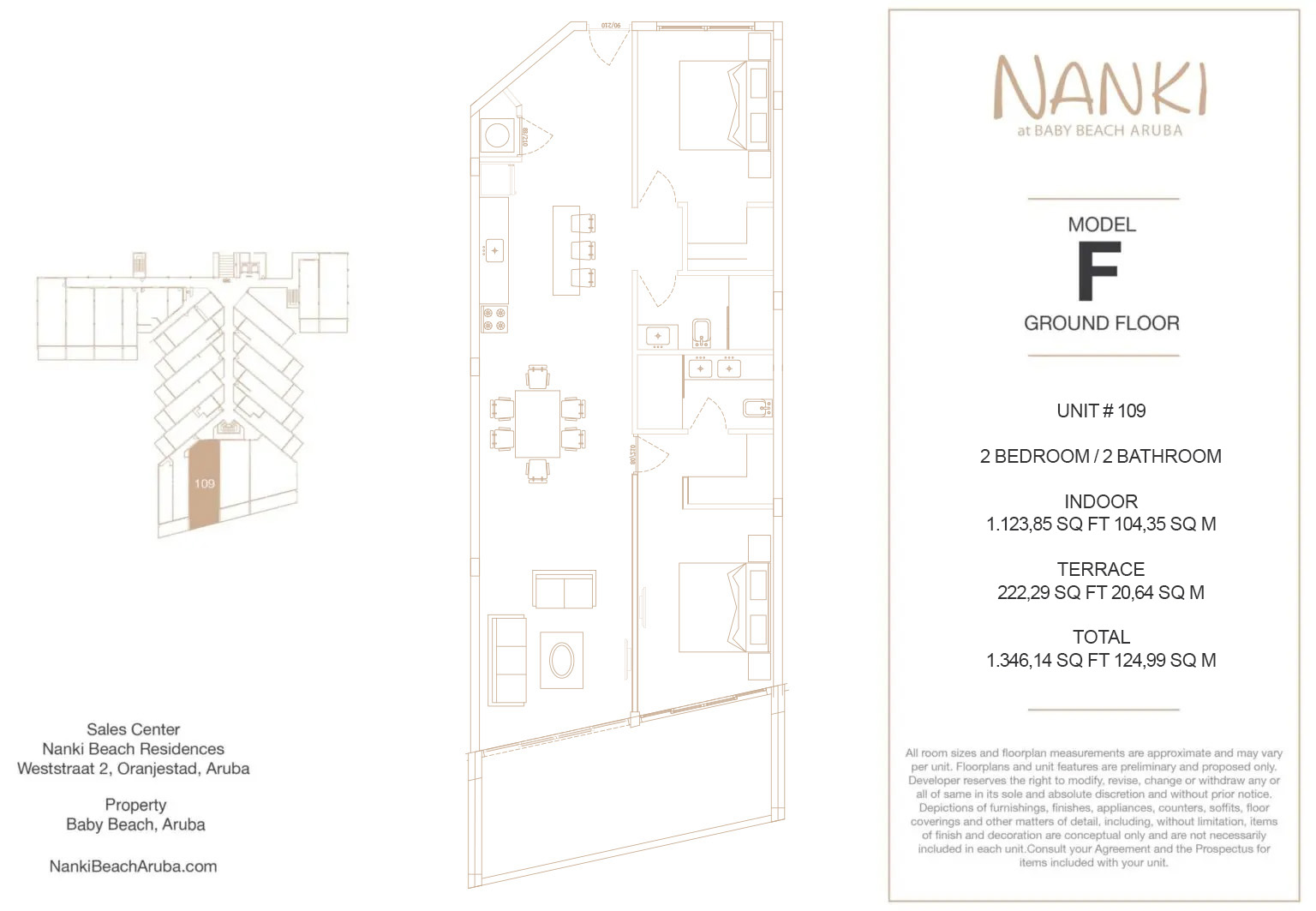
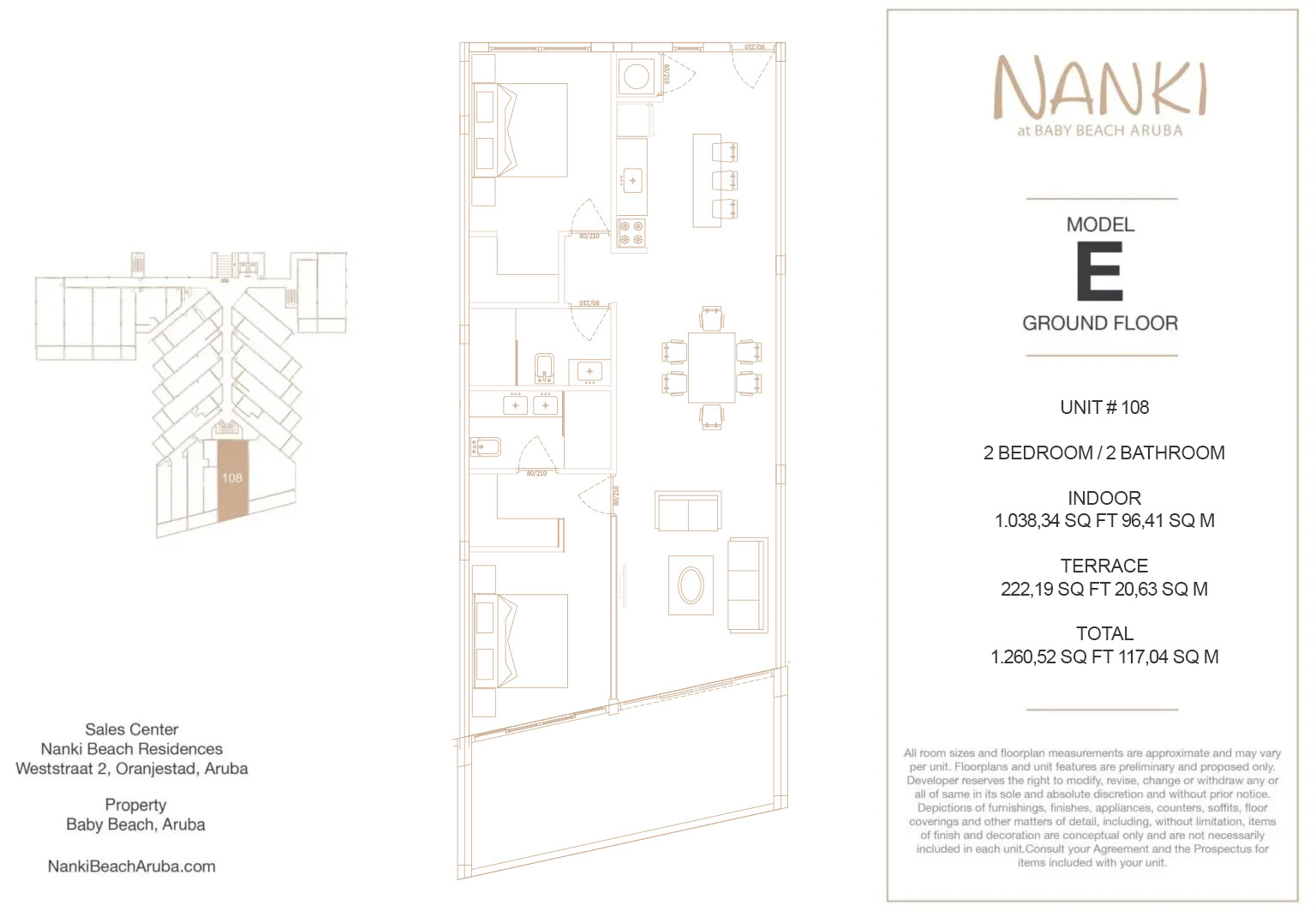
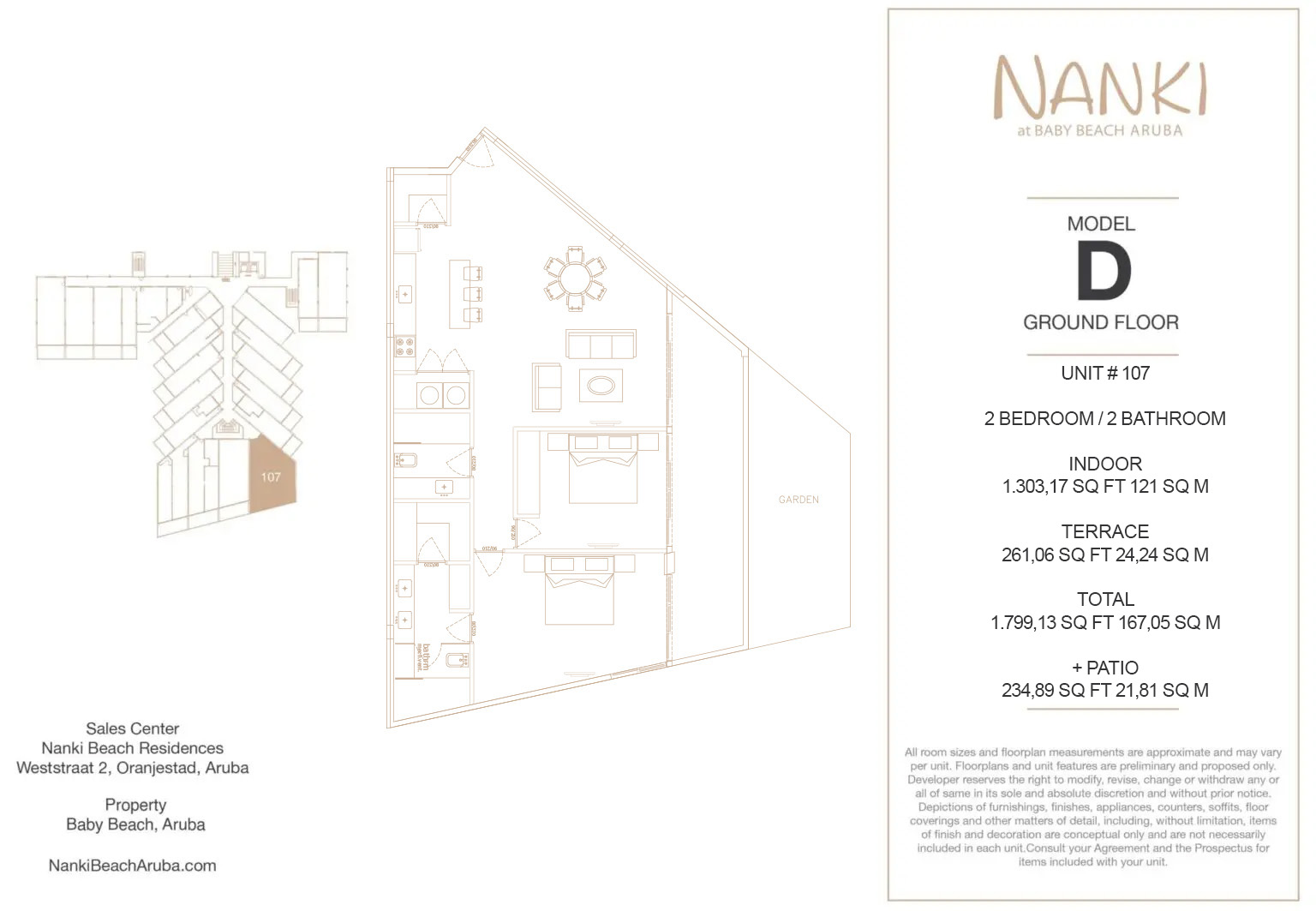
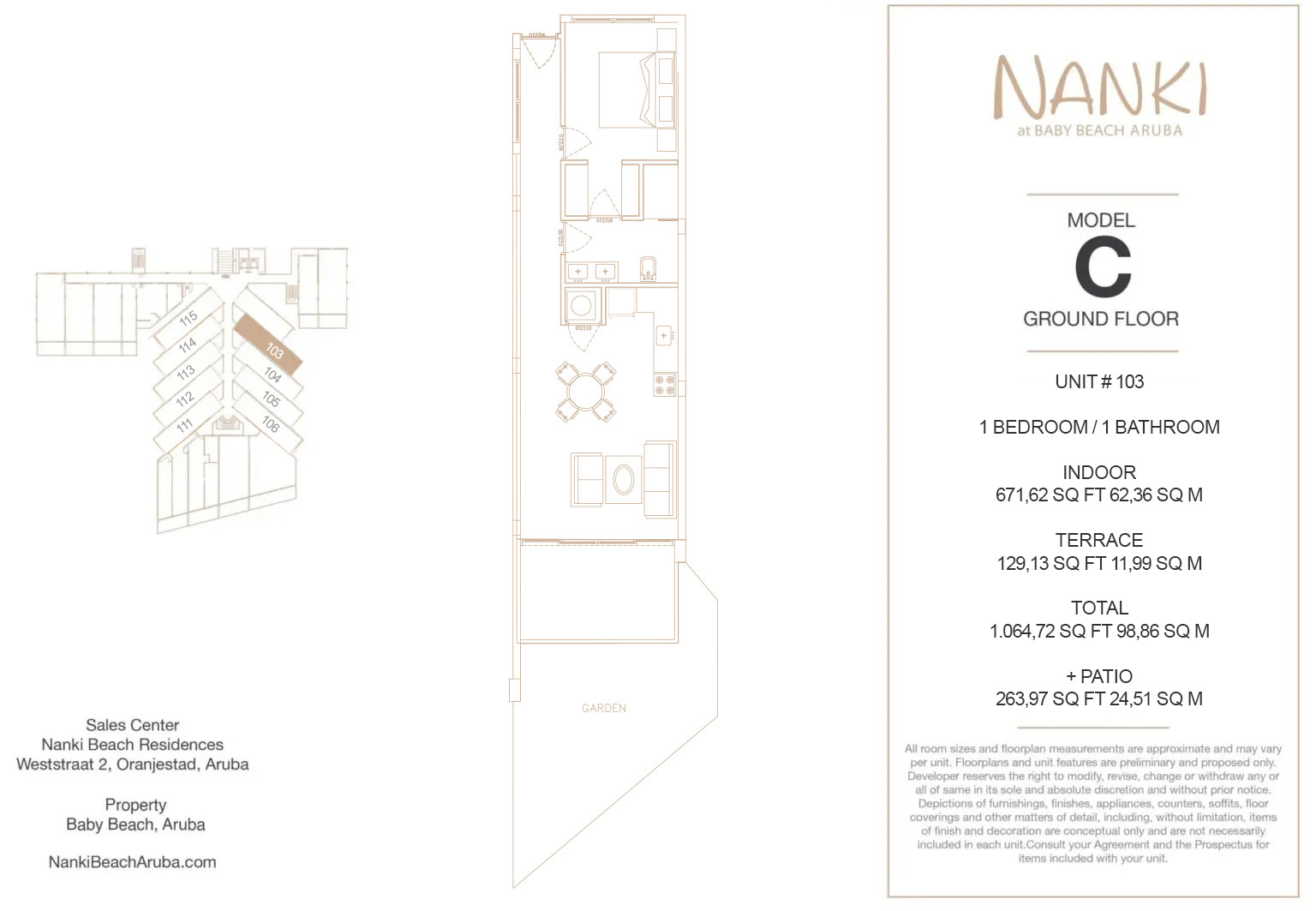
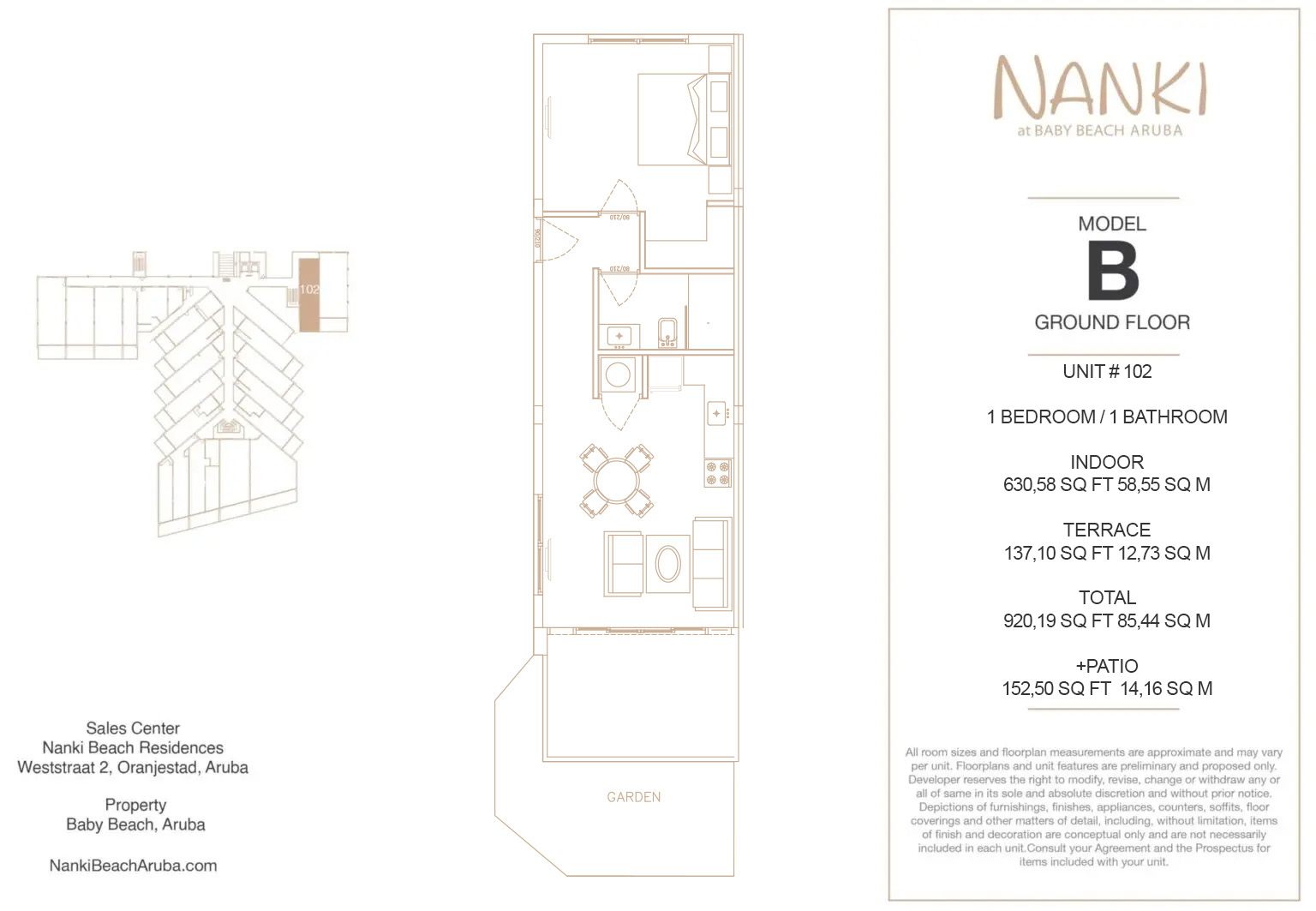
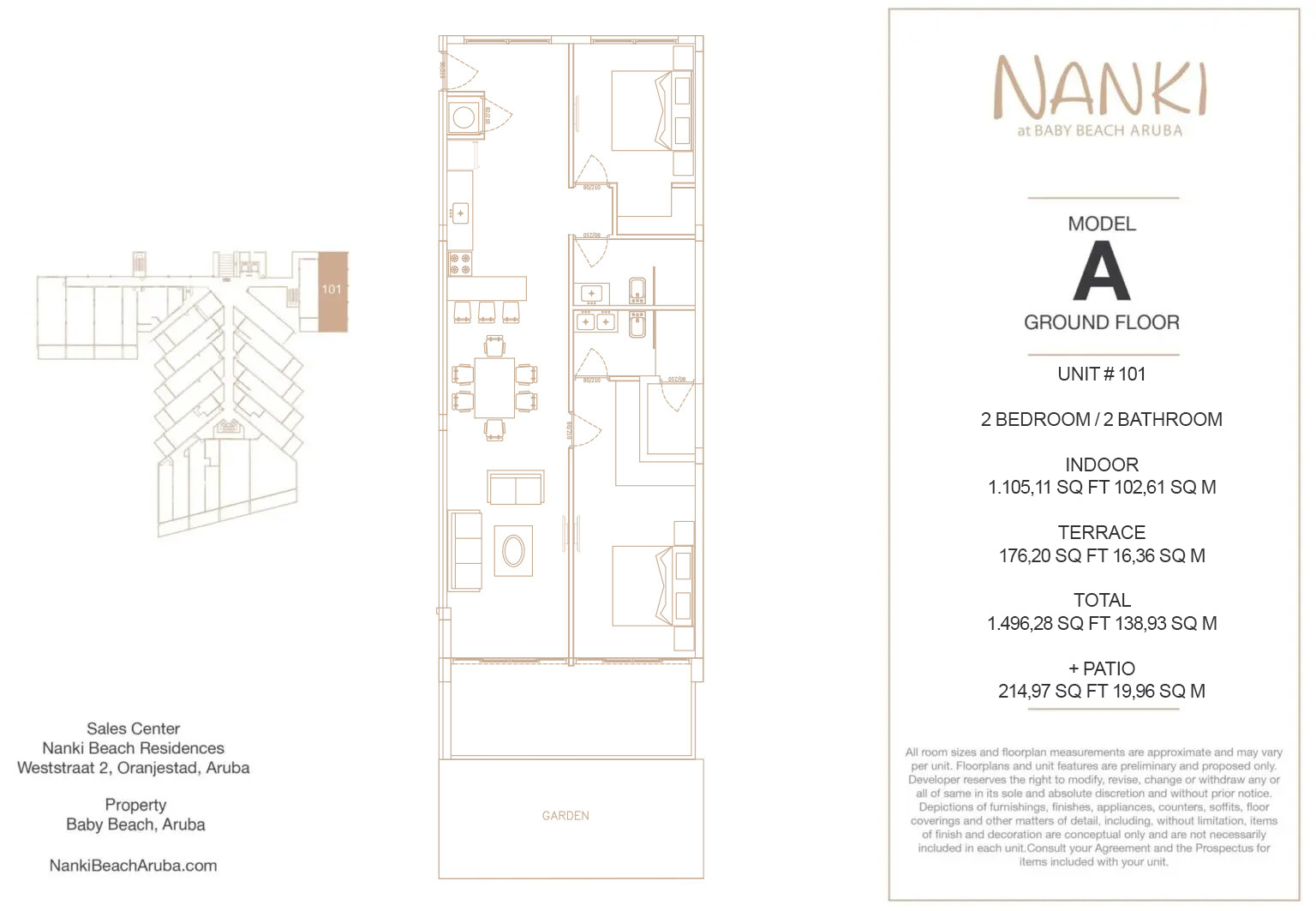
Properties near iconic natural attractions, such as Baby Beach, benefit from consistent demand and appeal to buyers seeking dual-use assets: personal enjoyment combined with rental income potential. This is why properties such as those at Nanki at Baby Beach Aruba are in high demand for investment.

Real Estate
Development and
Mixed-Use Projects
Real estate development has become one of the most visible expressions of foreign investment in Aruba, supported by consistent tourism flows, population stability, and international buyer interest.
Beyond short-term rentals, Aruba’s residential and long-term rental market continues to expand. Expatriates, retirees, and remote workers contribute to year-round housing demand, creating a more balanced rental ecosystem. This segment appeals to investors seeking predictable cash flows and reduced exposure to seasonal fluctuations.
Mixed-Use Development: Live, Work, Play
Development: Live,
Work, Play
Mixed-use developments are gaining traction, as they better align with modern lifestyle expectations. By integrating residential units with retail, dining, and other services, these projects create walkable communities that enhance quality of life while diversifying revenue streams for investors.
This approach is already visible in several real, investment-ready locations across the island:

a large-scale redevelopment project near the cruise terminal, is designed to combine residential units, offices, retail spaces, leisure areas, and public waterfront areas, positioning it as a future urban and commercial hub.

is a coastal project integrating residential condominiums and townhomes with commercial components in one of Aruba’s most established tourism zones.

is a revitalizing urban hub that combines luxury residential floors with commercial services, offices, and public spaces, creating a vibrant “live, work, play” district in the core of the capital.
a large-scale redevelopment project near the cruise terminal, is designed to combine residential units, offices, retail spaces, leisure areas, and public waterfront areas, positioning it as a future urban and commercial hub.
is a coastal project integrating residential condominiums and townhomes with commercial components in one of Aruba’s most established tourism zones.
is a revitalizing urban hub that combines luxury residential floors with commercial services, offices, and public spaces, creating a vibrant “live, work, play” district in the core of the capital.
These projects reflect a broader shift toward integrated developments that support both lifestyle appeal and long-term investment value.
Logistics, Trade, and the Strategic Role of Aruba’s Ports
While tourism dominates public perception, logistics and trade infrastructure quietly support Aruba’s economic diversification. The Port of Barcadera serves as Aruba’s primary cargo and logistics hub, facilitating imports and exports while supporting regional distribution networks. According to the Port of Aruba Authority, ongoing investments in port infrastructure aim to enhance efficiency and accommodate future trade growth. This infrastructure strengthens Aruba’s position as a reliable node in Caribbean supply chains.
In addition, Aruba’s free trade zones provide incentives for warehousing, logistics, and light industrial activity. Managed by the Aruba Free Zone Authority, these zones contribute to economic diversification and reinforce the island’s pro-business environment.

While tourism dominates public perception, logistics and trade infrastructure quietly support Aruba’s economic diversification. The Port of Barcadera serves as Aruba’s primary cargo and logistics hub, facilitating imports and exports while supporting regional distribution networks. According to the Port of Aruba Authority, ongoing investments in port infrastructure aim to enhance efficiency and accommodate future trade growth. This infrastructure strengthens Aruba’s position as a reliable node in Caribbean supply chains.
In addition, Aruba’s free trade zones provide incentives for warehousing, logistics, and light industrial activity. Managed by the Aruba Free Zone Authority, these zones contribute to economic diversification and reinforce the island’s pro-business environment.
Social and Regulatory Environment:
Safety and Confidence for Investors
Environment: Safety
and Confidence for
Investors
A stable social environment is a critical factor when it comes to investment decisions, particularly for property buyers. Aruba continues to invest in public safety and urban management. Recent initiatives include installing surveillance cameras and audio monitoring systems in key commercial areas, such as Oranjestad’s main streets, to enhance public order and emergency response times. These measures are part of broader smart-city efforts to improve safety and quality of life.
Aruba’s Reputation as a Safe Tourism and
Investment Destination
Safe Tourism and
Investment Destination
Aruba is widely regarded as one of the safest destinations in the Caribbean, a reputation that directly influences investor confidence. Low crime rates, reliable infrastructure, and strong institutions support property values and long-term asset security, particularly for foreign buyers seeking stability alongside lifestyle benefits.
Why This Matters for Property Investors
Property Investors
Foreign investment in Aruba is closely tied to real economic drivers rather than speculative cycles. Tourism, real estate, logistics, and public infrastructure reinforce one another, creating a foundation of sustained demand.
For property investors, this translates into opportunities supported by long-term fundamentals, predictable visitor flows, and a regulatory environment that favors transparency and ownership security.
Aruba’s top investment industries (tourism, real estate development, logistics, and infrastructure) continue to shape an economy built on stability, connectivity, and global appeal. For international investors, especially those from North America, the island offers a rare balance between lifestyle value and economic resilience.
Properties such as Nanki at Baby Beach are positioned at the intersection of these trends, benefiting from their proximity to one of Aruba’s most iconic beaches while aligning with broader patterns of foreign investment in Aruba.
Discover how investing in Aruba can combine long-term value with an exceptional coastal lifestyle.
Sources:
Aruba.nu. Cameras and loudspeakers on Oranjestad’s main street. Visit Site
Aruba.com. Aruba Online. La Linda Aruba: The Heart of the New Oranjestad – A City Condominium & Commercial Hub Coming to Life. Visit Site
Aruba Ports Authority NV. Barcadera. Visit Site
Aruba Ports Authority NV. Port City Oranjestad. Visit Site
FreeZoneAruba. Home. Visit Site
Gobierno Aruba. Governance & administration. Visit Site
Nanki at Baby Beach Aruba. Why Aruba’s Accessibility Is a Perk for Property Investors. Visit Site