


Cruise Tourism in Aruba: Economic Impact, Challenges, and Future Opportunities
Reading Time: 4 minutes
Cruise tourism in Aruba has long been one of the island’s most visible economic drivers. Every day, thousands of passengers arrive in Oranjestad, bringing movement, energy, and spending into the capital.
But behind that constant flow, a more complex question is starting to take shape: is this model still delivering real value, or just more volume?
The Real Issue: More
Visitors, Less Value
At first glance, rising visitor numbers suggest success. More people arriving should translate into more revenue.
In practice, the equation is less straightforward. Much of that activity is short-lived and concentrated. Passengers typically spend only a few hours onshore, often in the same commercial areas, and a large portion of their spending occurs on the ship.
This doesn’t mean cruise visitors don’t spend, but their per-person economic impact is significantly lower than that of stay-over tourists. The result is a growing gap between visitor volume and real contribution to the local economy.
The challenge, then, is not whether Aruba should have cruise tourism, but whether the island is relying too heavily on a model that adds pressure without delivering proportional value..
Stay-Over vs Cruise Visitors: A Clear Economic Gap
The difference comes down to time and how that time is spent. Stay-over visitors experience Aruba over several days. They book accommodations, dine multiple times, explore different parts of the island, and engage more consistently with local businesses. Their presence extends beyond a single location, creating a broader economic ripple effect.
Cruise passengers move differently. Their experience is compressed into a few hours, often within a limited area. Many return to their ships for meals and entertainment, keeping a significant portion of their spending off the island.
Same destination, very different economic impact.
Oranjestad Under Pressure
The challenge is not only economic, but also spatial.
Cruise tourism is heavily concentrated in Oranjestad and nearby beaches, creating congestion in already high-demand areas. Streets become crowded, infrastructure is pushed to its limits, and the experience suffers for both tourists and locals.
Meanwhile, other parts of the island remain underutilized. This uneven distribution amplifies pressure where it is already highest, without delivering proportional benefits across Aruba as a whole.
Is Aruba Reaching Its
Tourism Limit?
There is no fixed number that defines capacity, but the signals are becoming harder to ignore. Congestion is more frequent. Infrastructure faces increasing demand. Natural spaces, which are part of Aruba’s appeal, require more careful management. These aren’t signs of decline, but they do point to the need for a more deliberate strategy. Growth, on its own, is no longer the goal.

From Volume to Value: A Necessary Shift
The conversation is gradually shifting from “how many visitors” to “what kind of impact those visitors create.” This doesn’t mean cruise tourism loses its place. It means its role needs to evolve.
Adjusting arrival volumes during peak periods could help reduce pressure. More importantly, it is about how visitors move across the island and how their experience is designed once they arrive.
Why San Nicolas Is Part of the Answer
Not all solutions require building something new. Some require seeing existing places differently.
San Nicolas offers:
A strong cultural identity
Street art across the Artisan District, live music and cultural events during the Aruba Art Fair, and local traditions expressed through dance, Carnival celebrations, and community gatherings.
A more relaxed, less saturated environment
Calm coastal spots like Baby Beach for families, open public spaces such as Joe Laveist Sport Park, and quieter streets that invite a slower, more local-paced experience away from the crowds.
It’s a completely different experience from Oranjestad, and that’s exactly the point.
Redirecting even a portion of cruise visitors (such as the proposed 25%) could:
- Ease pressure on the capital
- Activate a new economic zone
- Diversify Aruba’s overall tourism experience

What Needs to Align for This Shift
Turning that idea into reality requires coordination. Infrastructure must be able to support increased visitation. Cultural and urban development must continue to evolve in a way that feels authentic, not forced. Cruise operators would need to rethink how their itineraries engage with the island beyond a single stop.
There is also a broader layer to consider. Long-term transformation projects, including the future of the refinery area, could play a defining role in how this part of Aruba evolves.
What This Means
for Investors
When tourism patterns change, investment patterns usually follow.
As attention begins to move beyond traditional hotspots, areas that were previously overlooked start to gain relevance. This is often where early-stage opportunities emerge, before markets become saturated or pricing fully reflects future demand.
San Nicolas and its surrounding areas are beginning to enter that phase, not as a replacement for established zones, but as a complement to them.
A More Balanced
Way Forward
Aruba doesn’t need more tourism. The island needs tourism that is better distributed.
A model that:
- Reduces pressure where it’s highest
- Activates underutilized areas
- Maximizes economic impact per visitor
That’s not just more sustainable, it’s smarter.
Where This Connects to What Comes Next
Cruise tourism will remain part of Aruba’s identity, but its role is changing.
The opportunity is no longer in increasing numbers, but in managing tourism more intelligently, reducing pressure, redistributing activity, and maximizing economic impact.
From Emerging Growth to Real
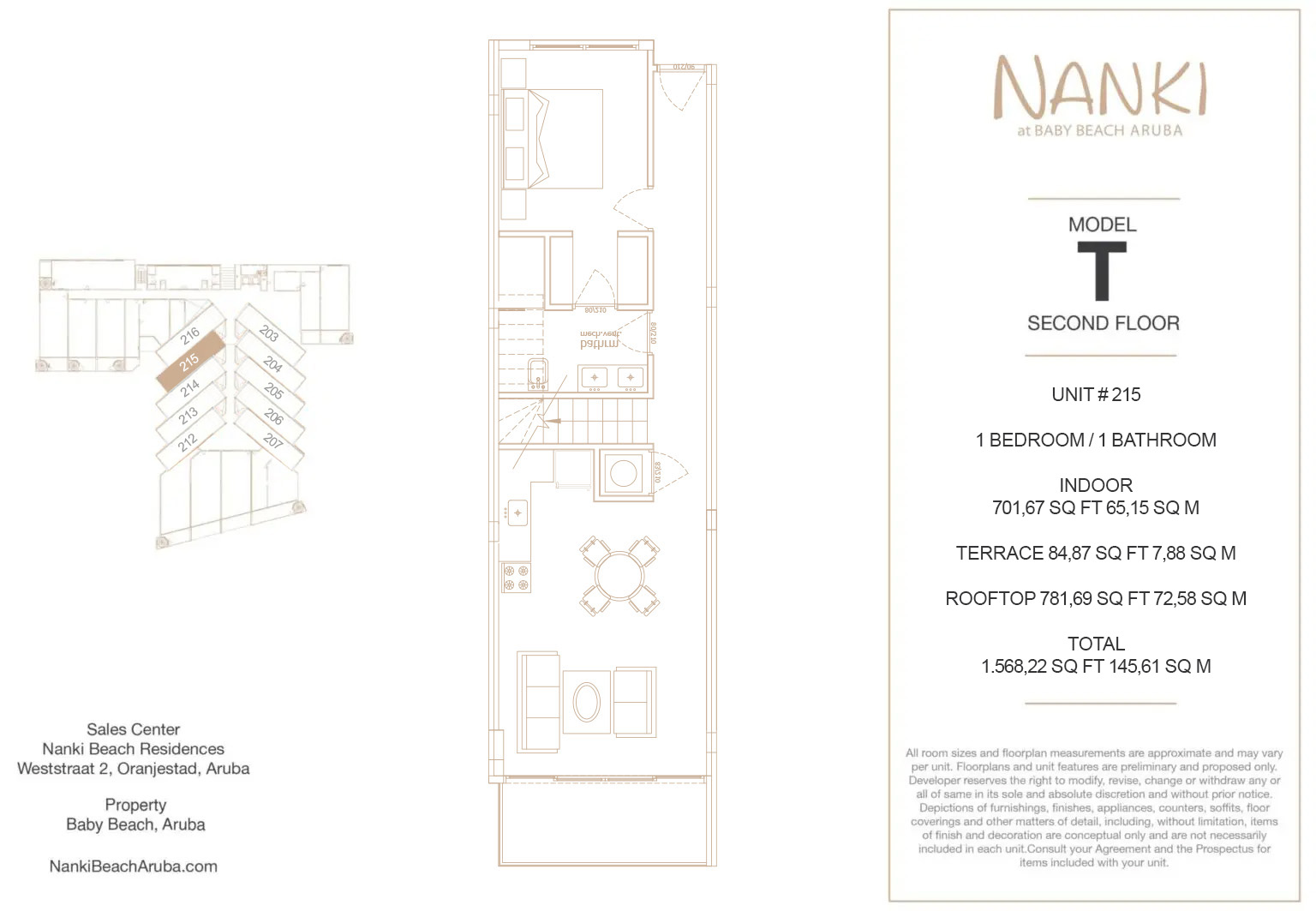
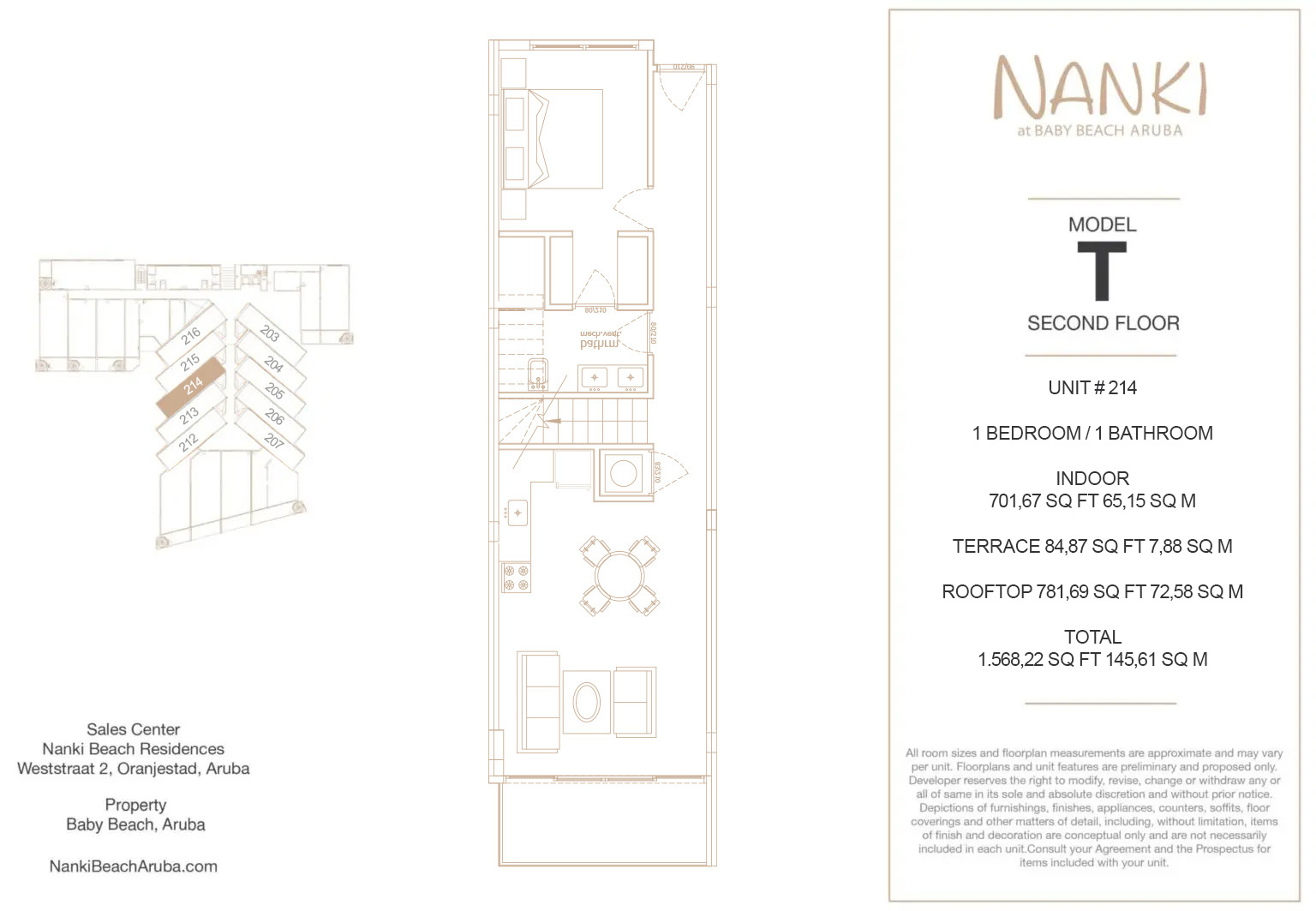
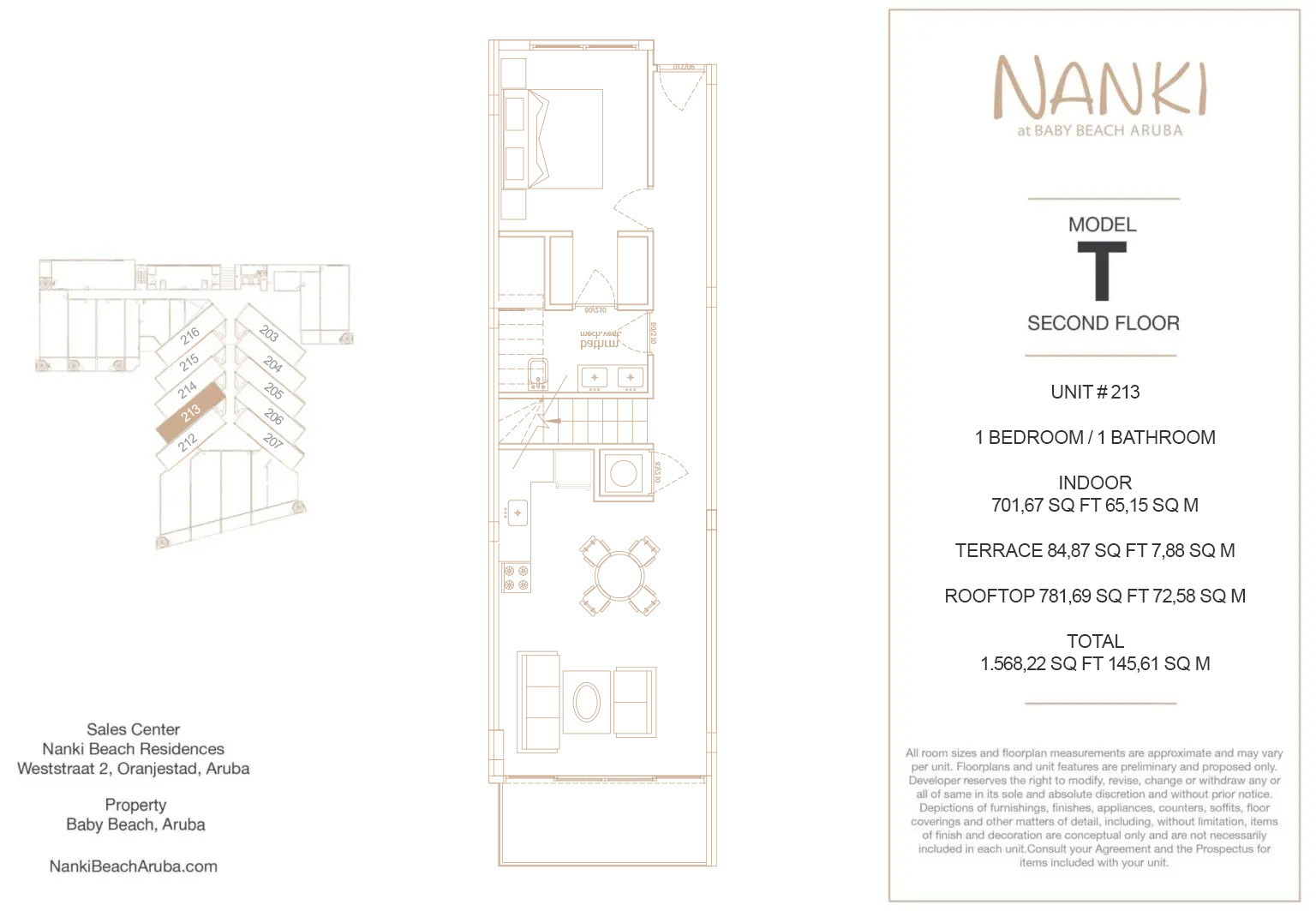
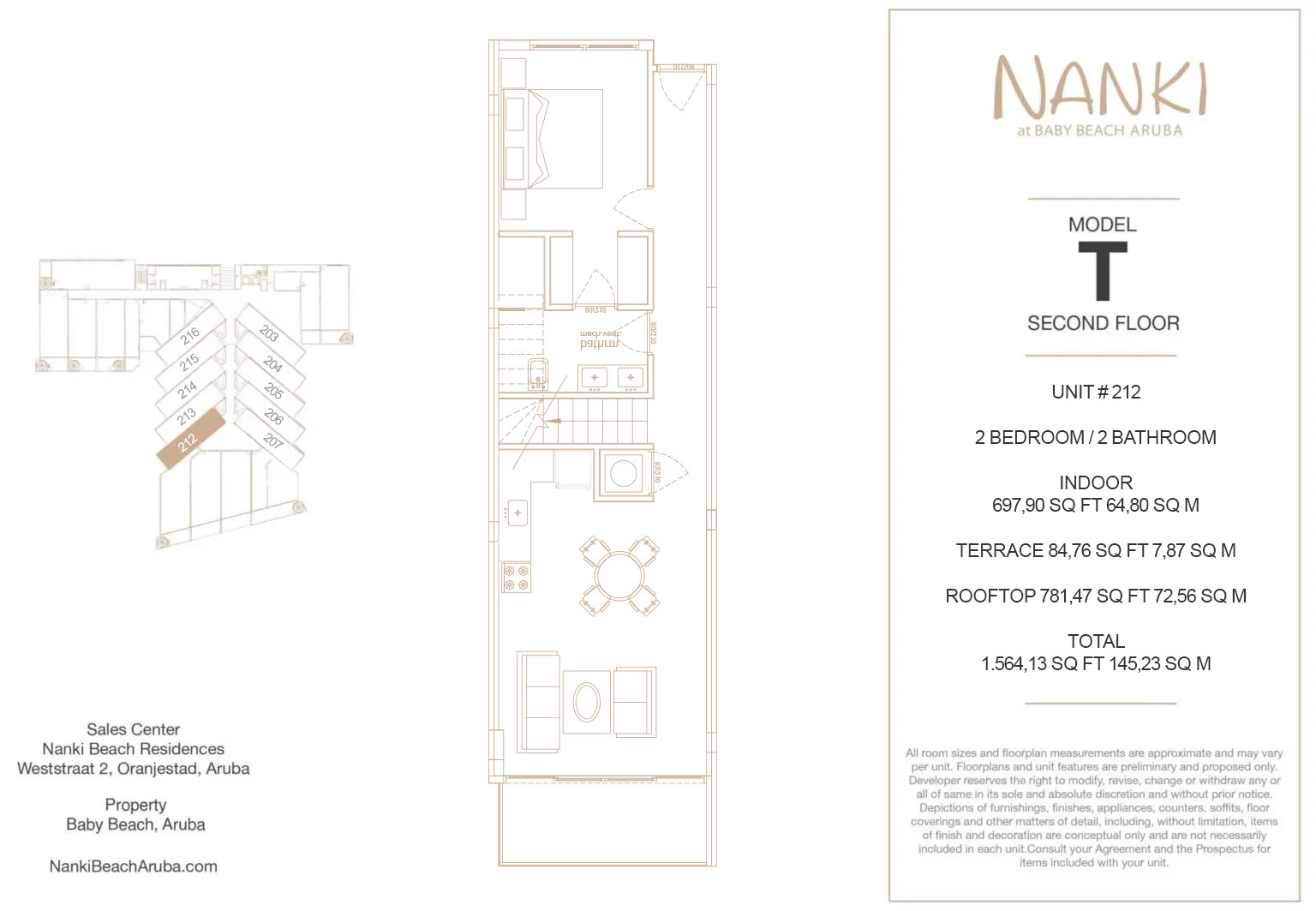
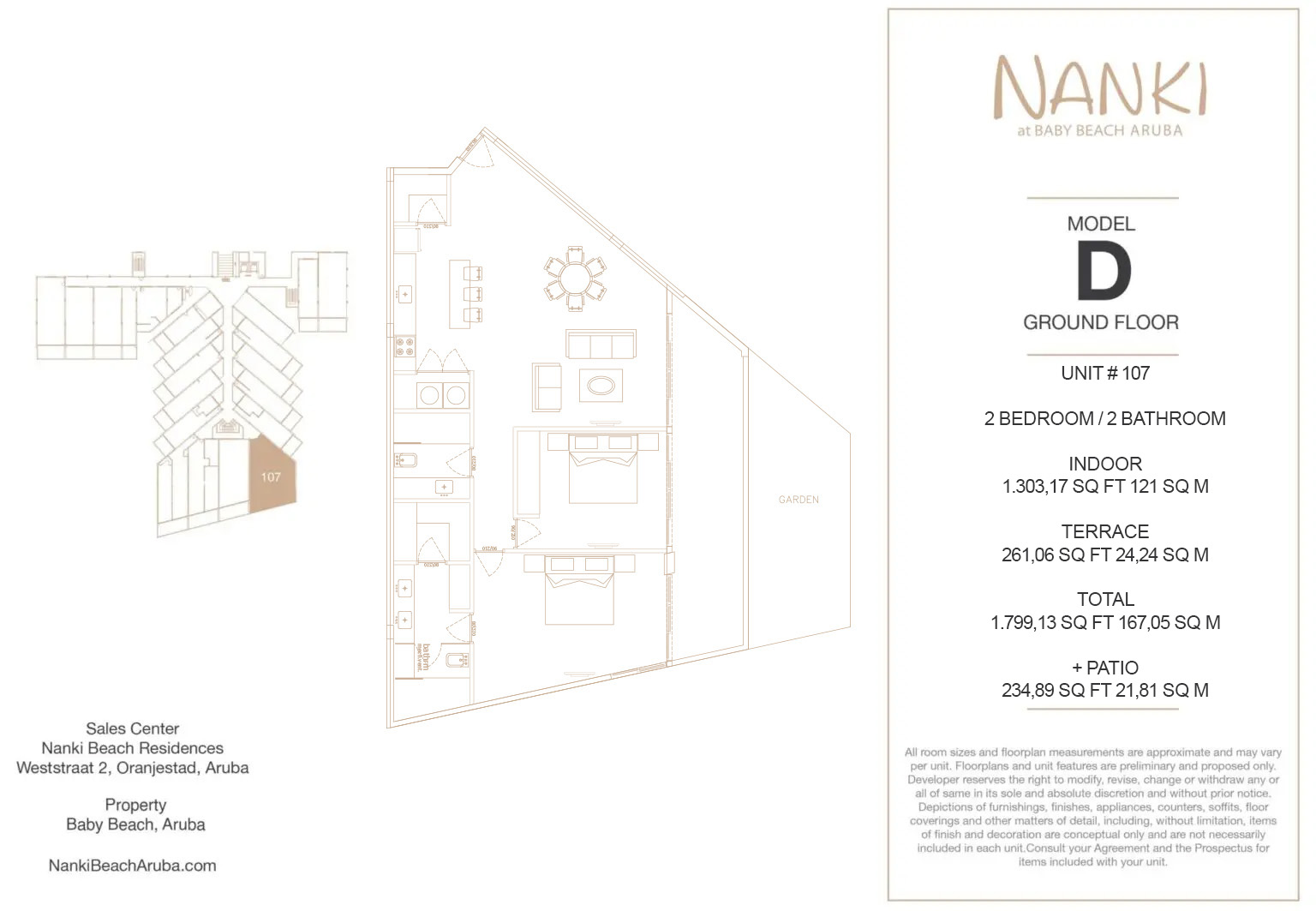
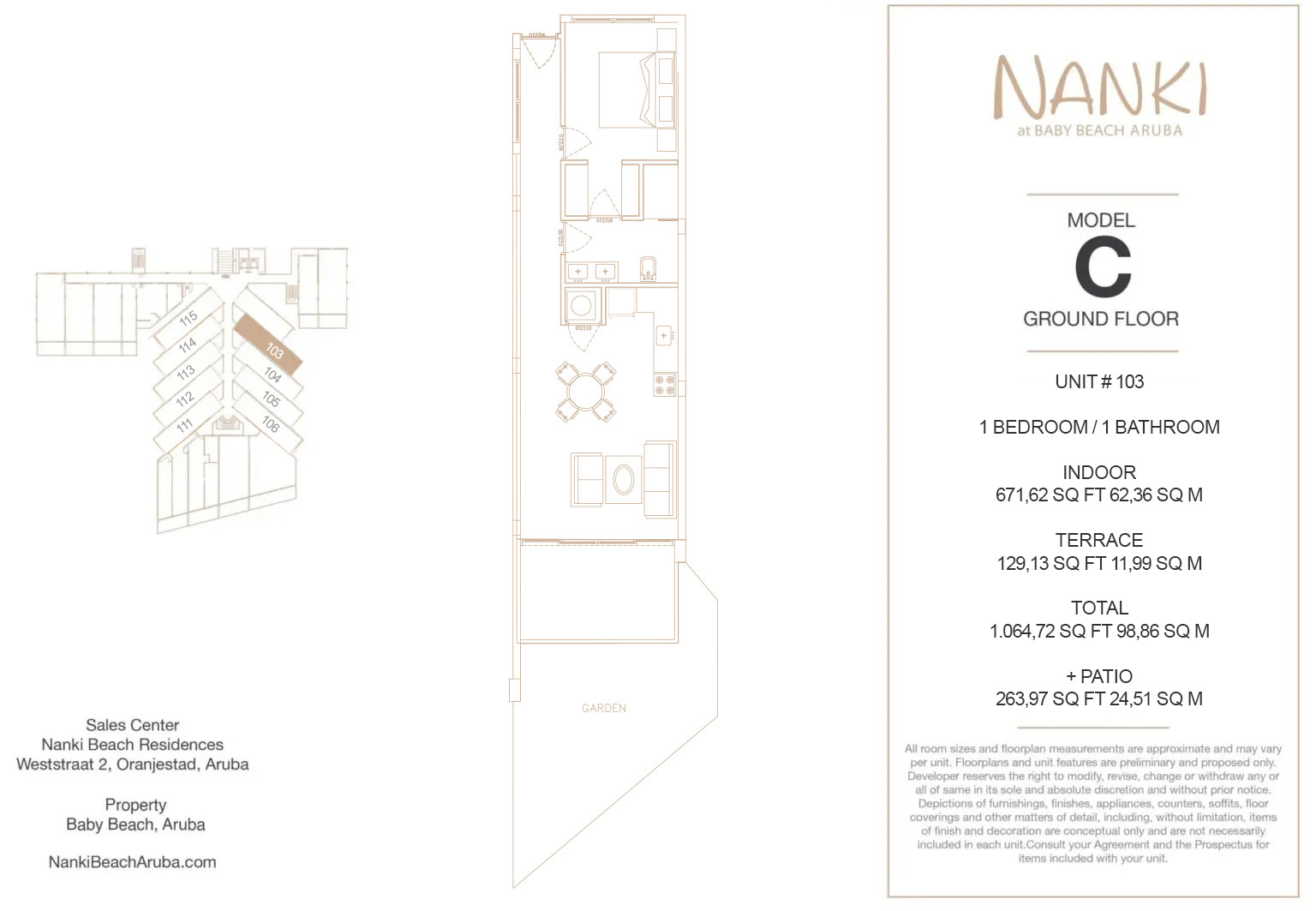
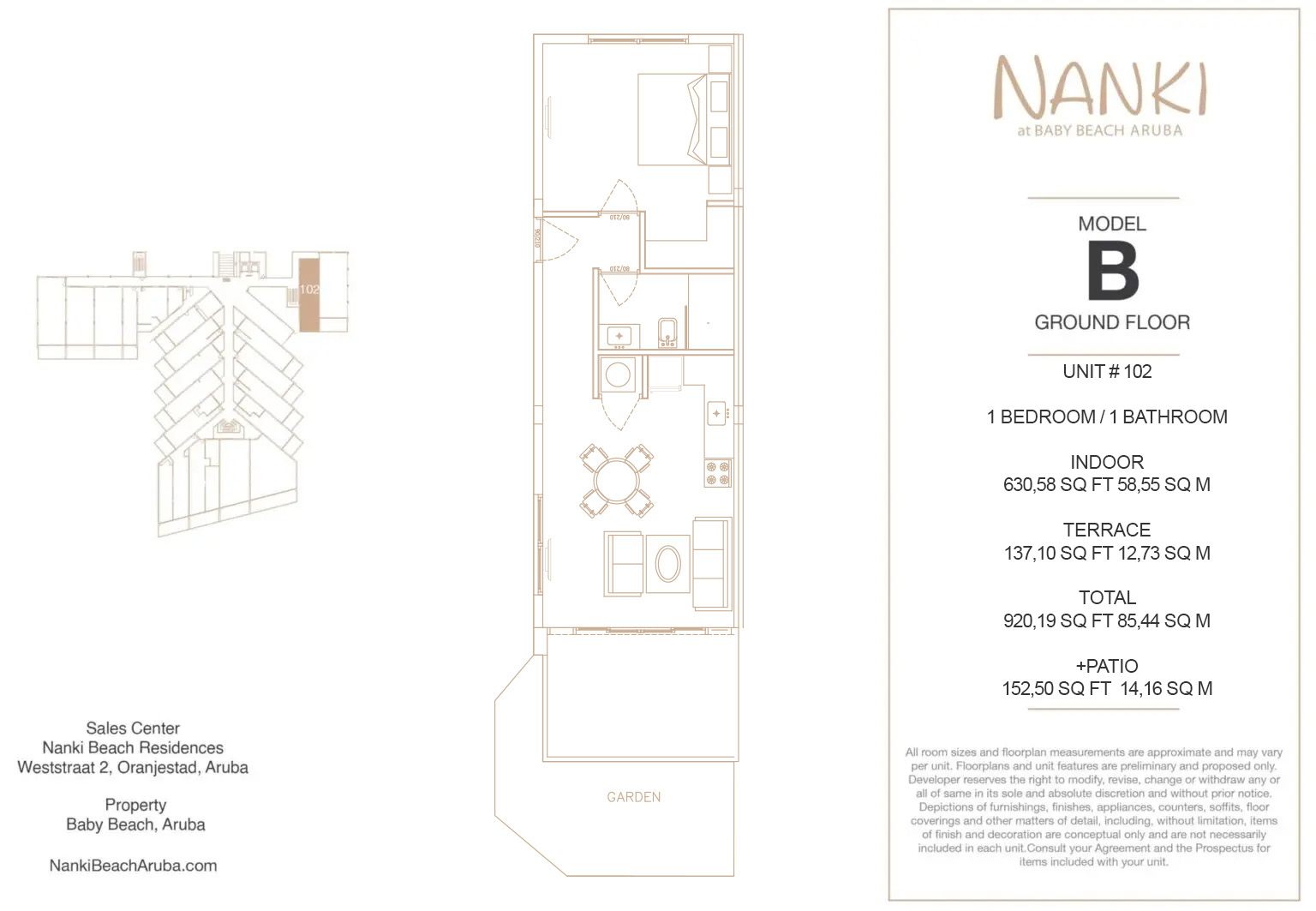
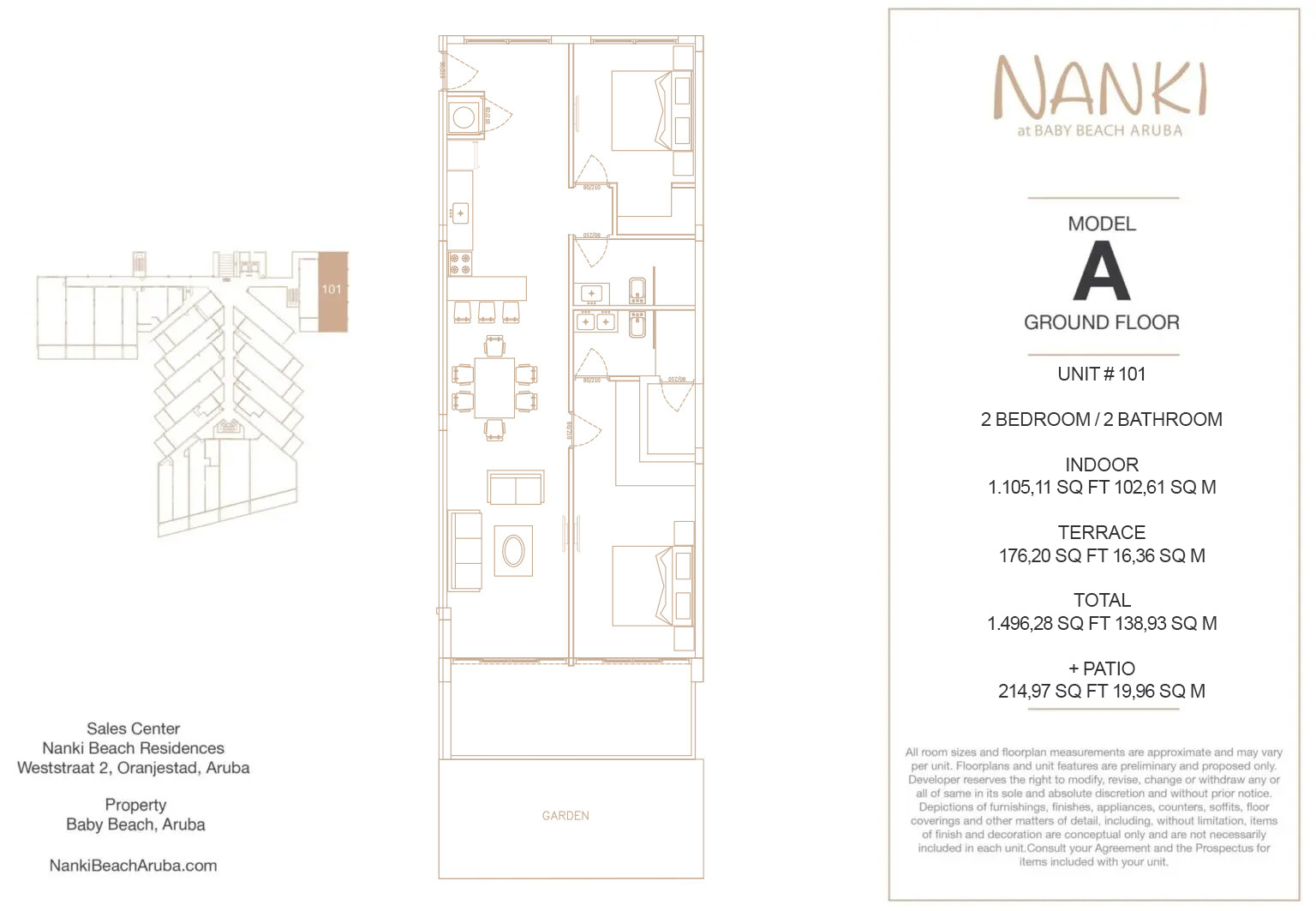
Opportunity: Nanki at Baby Beach
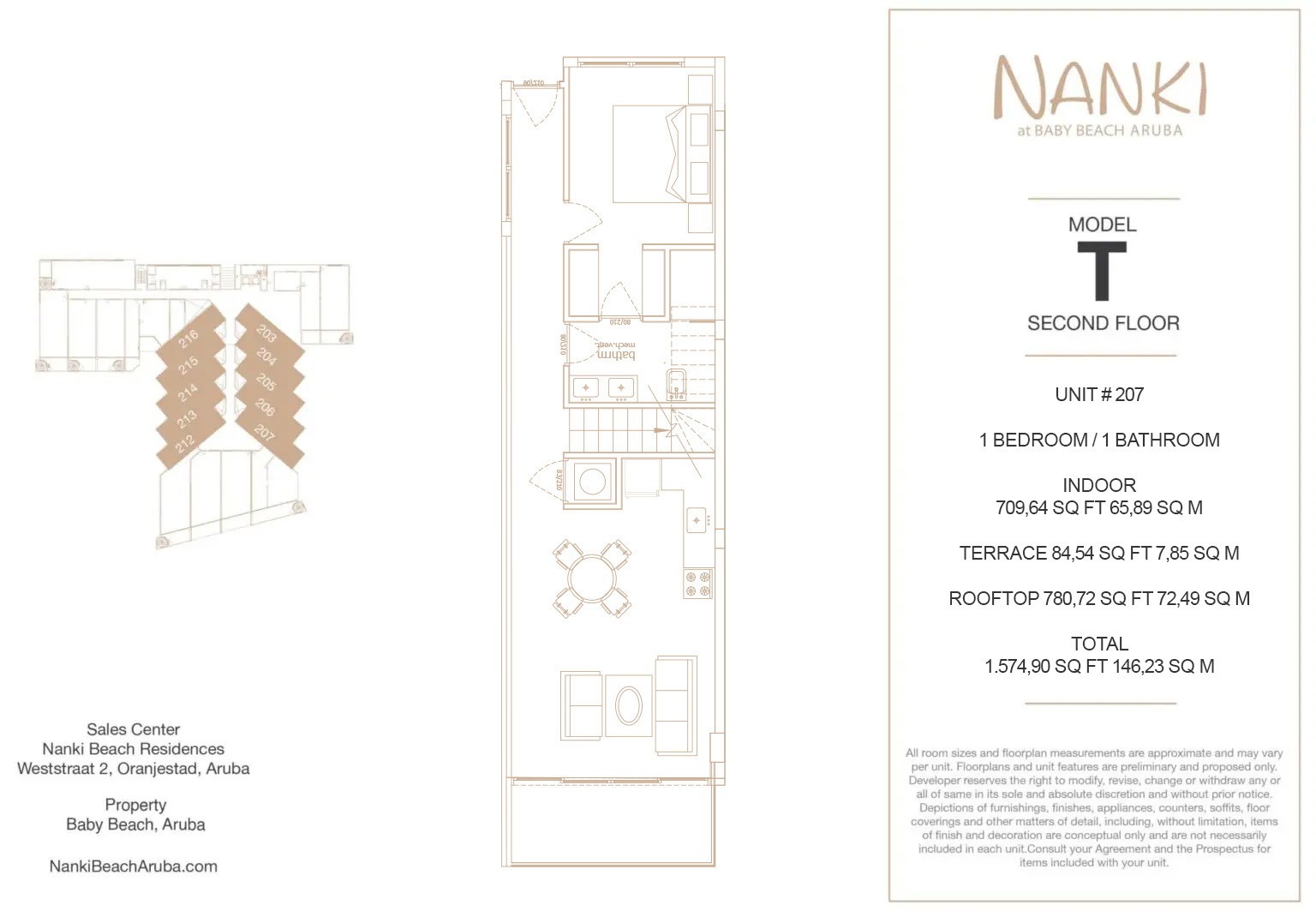
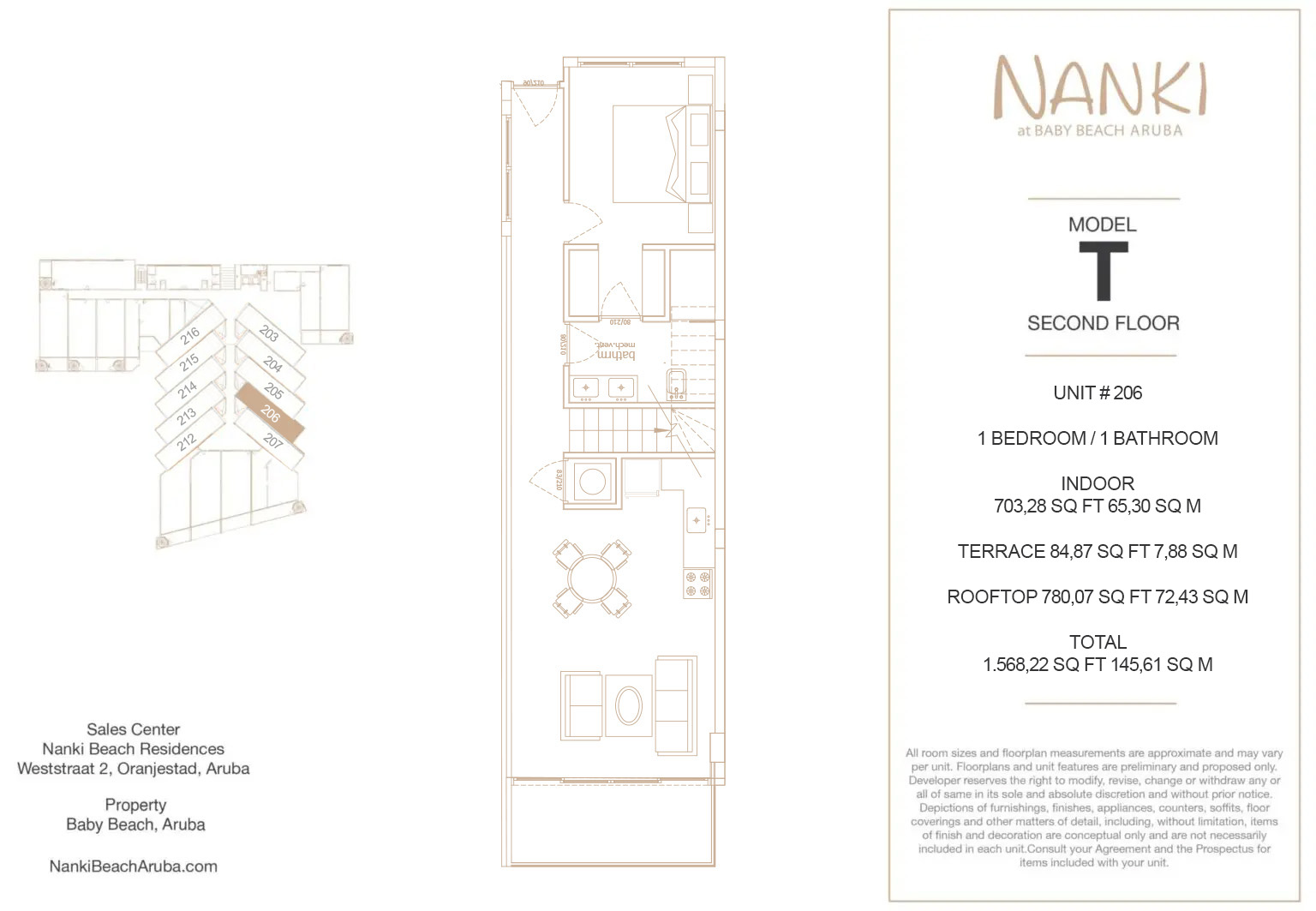
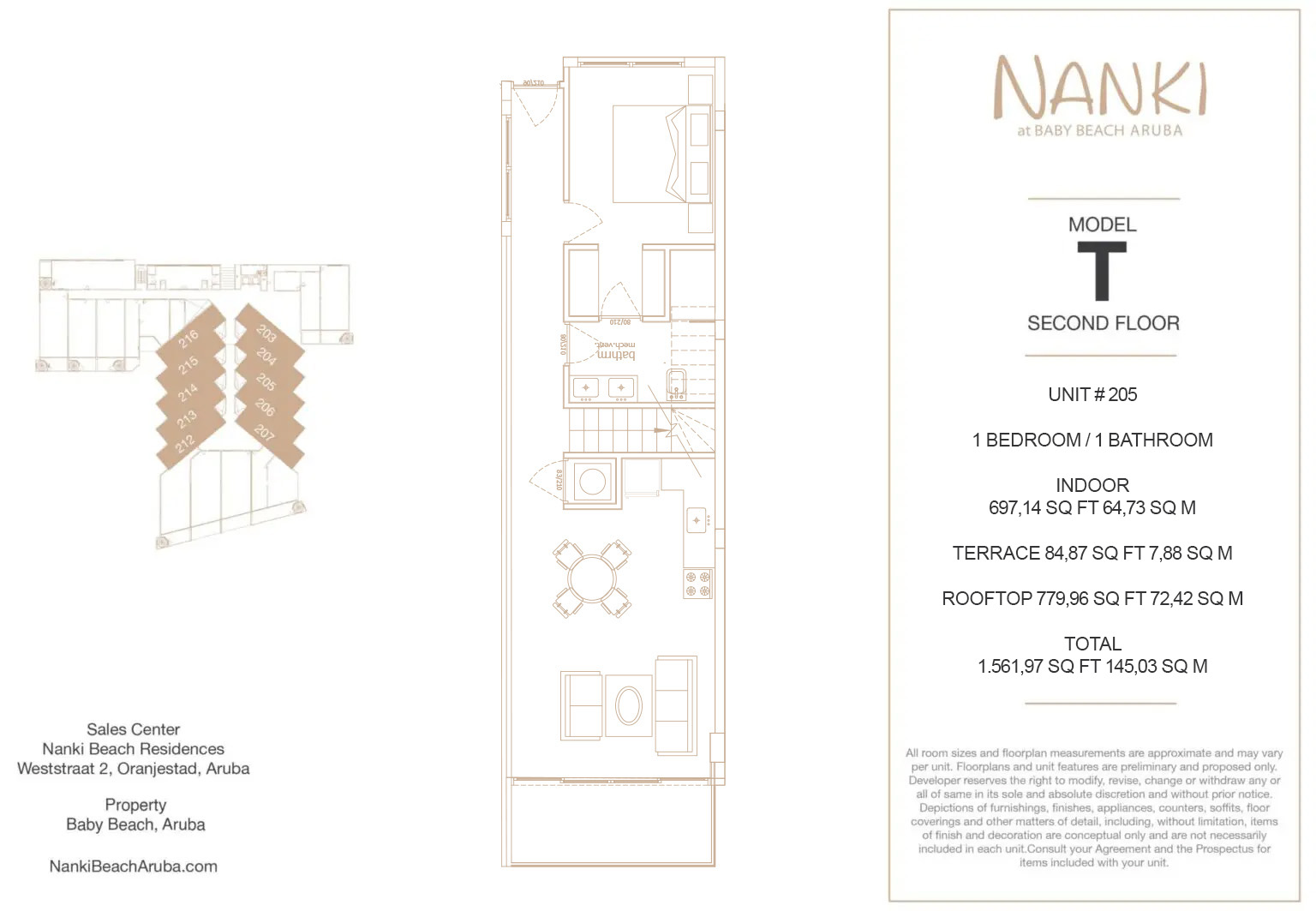
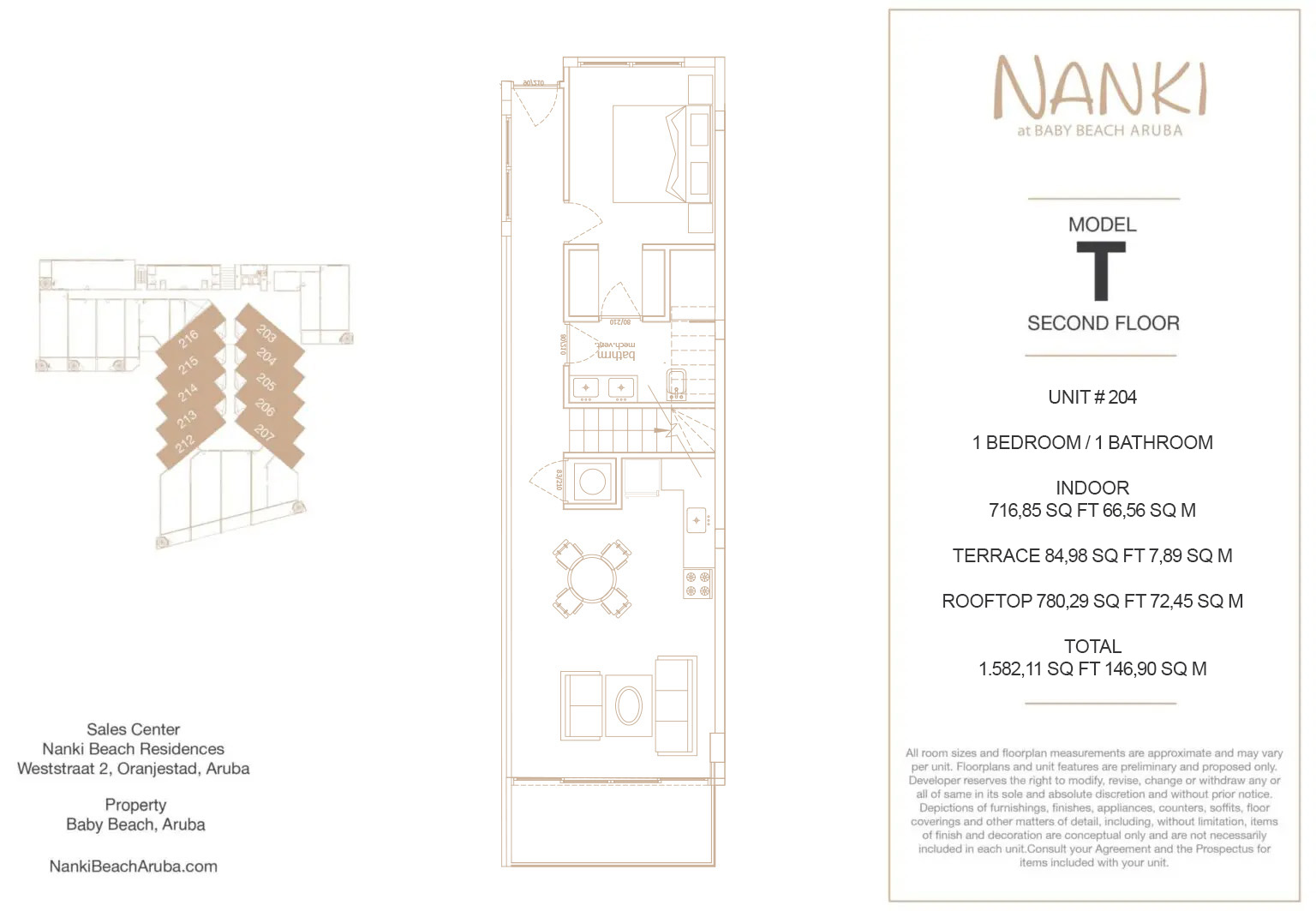
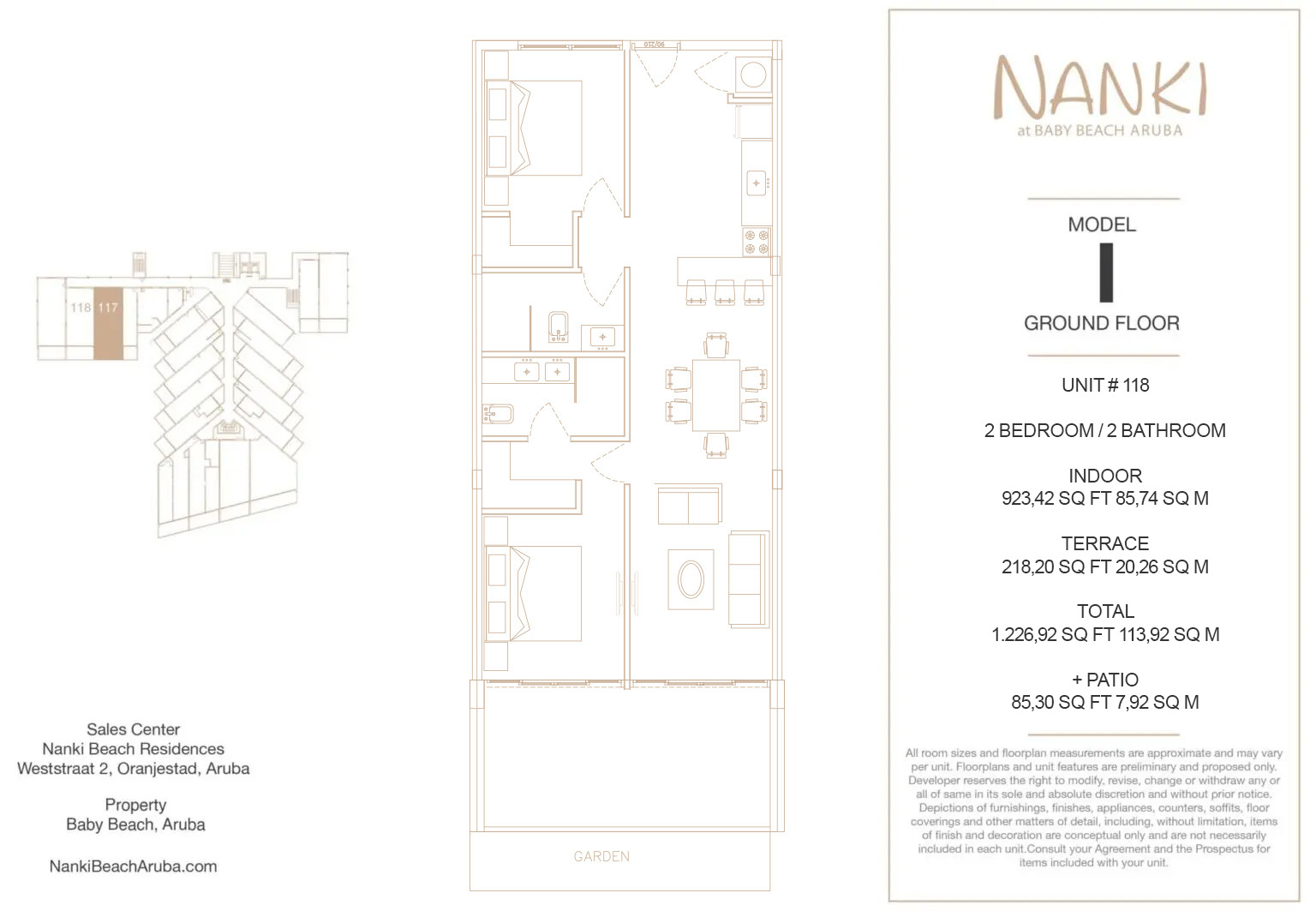
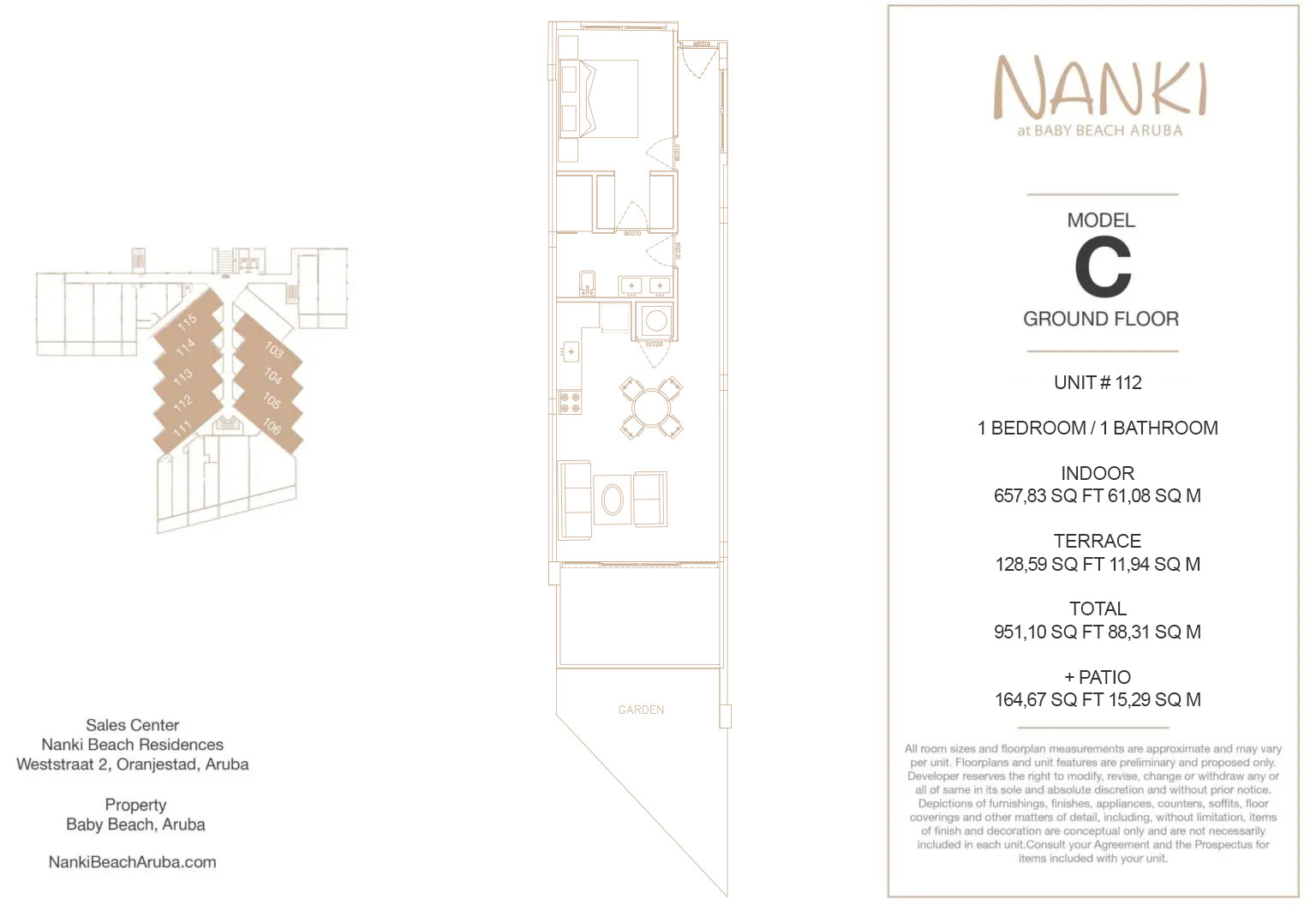
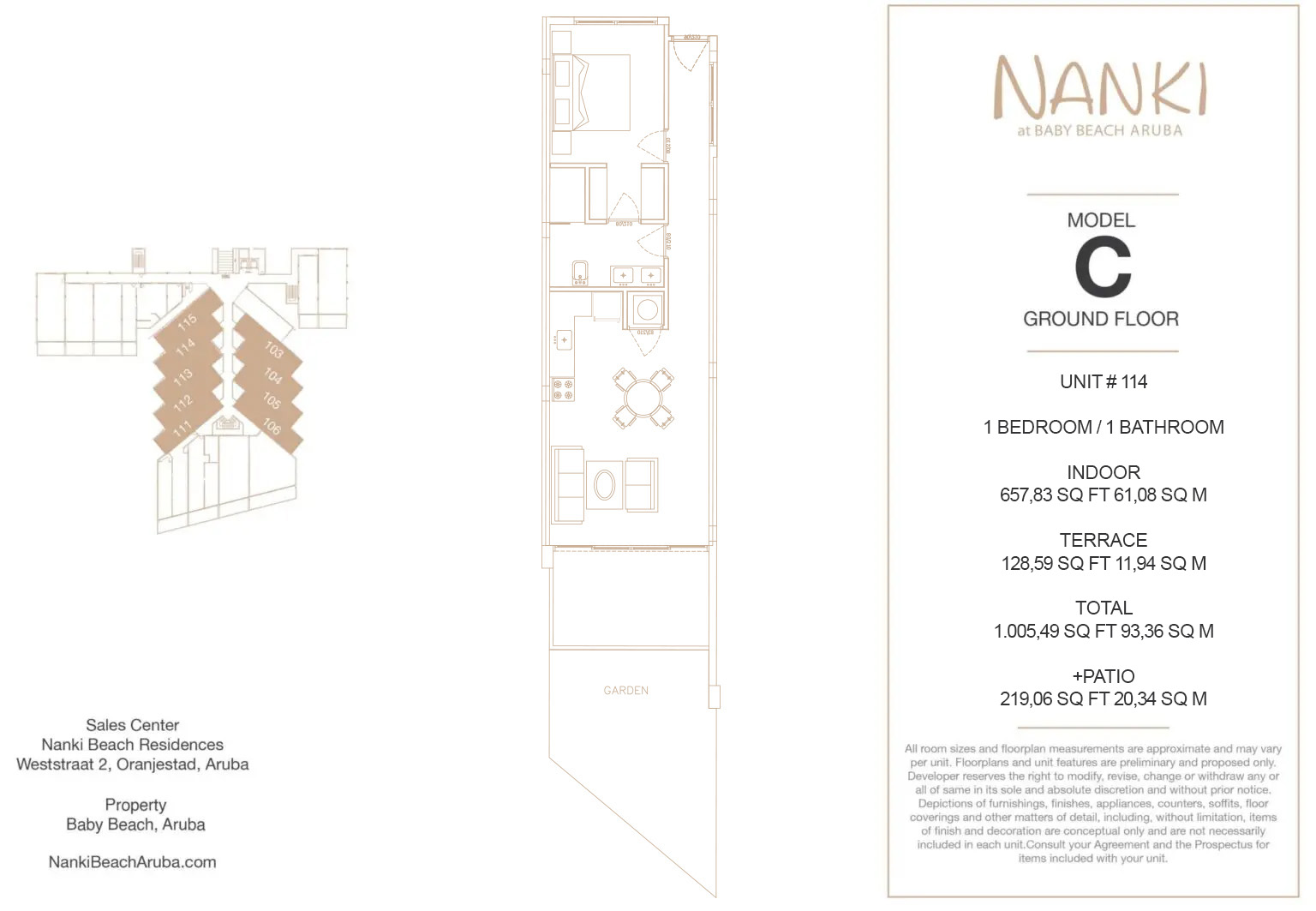
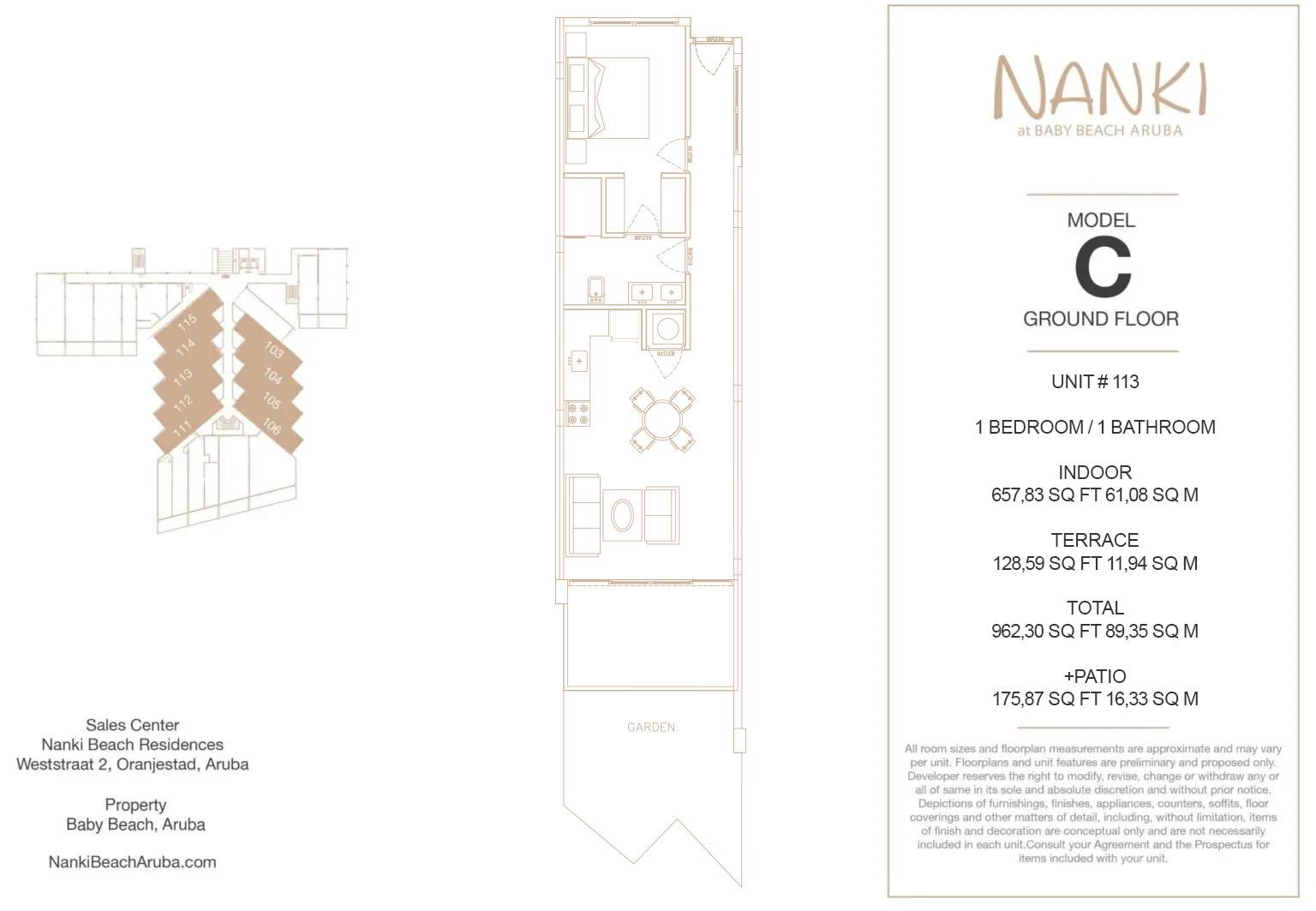
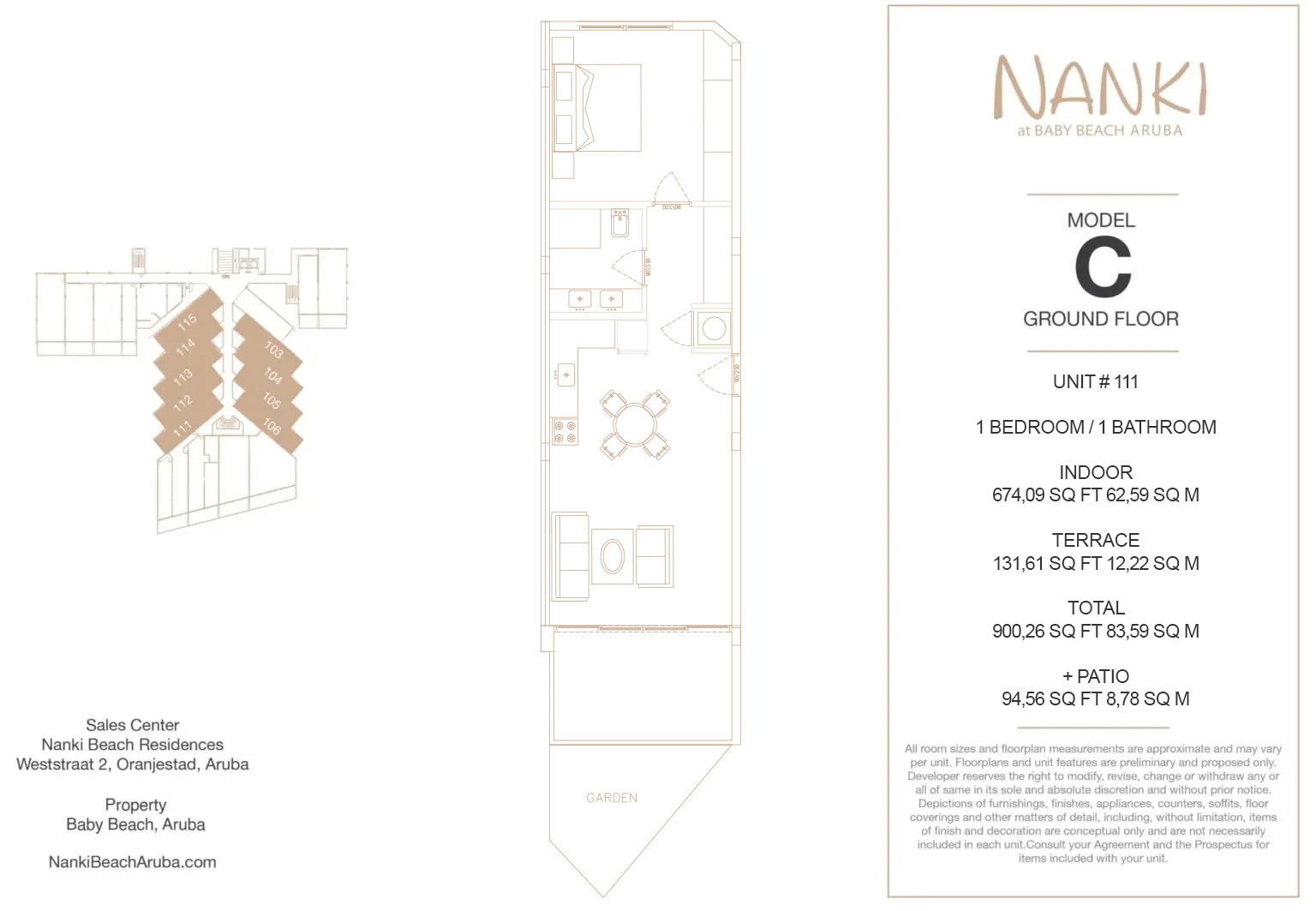
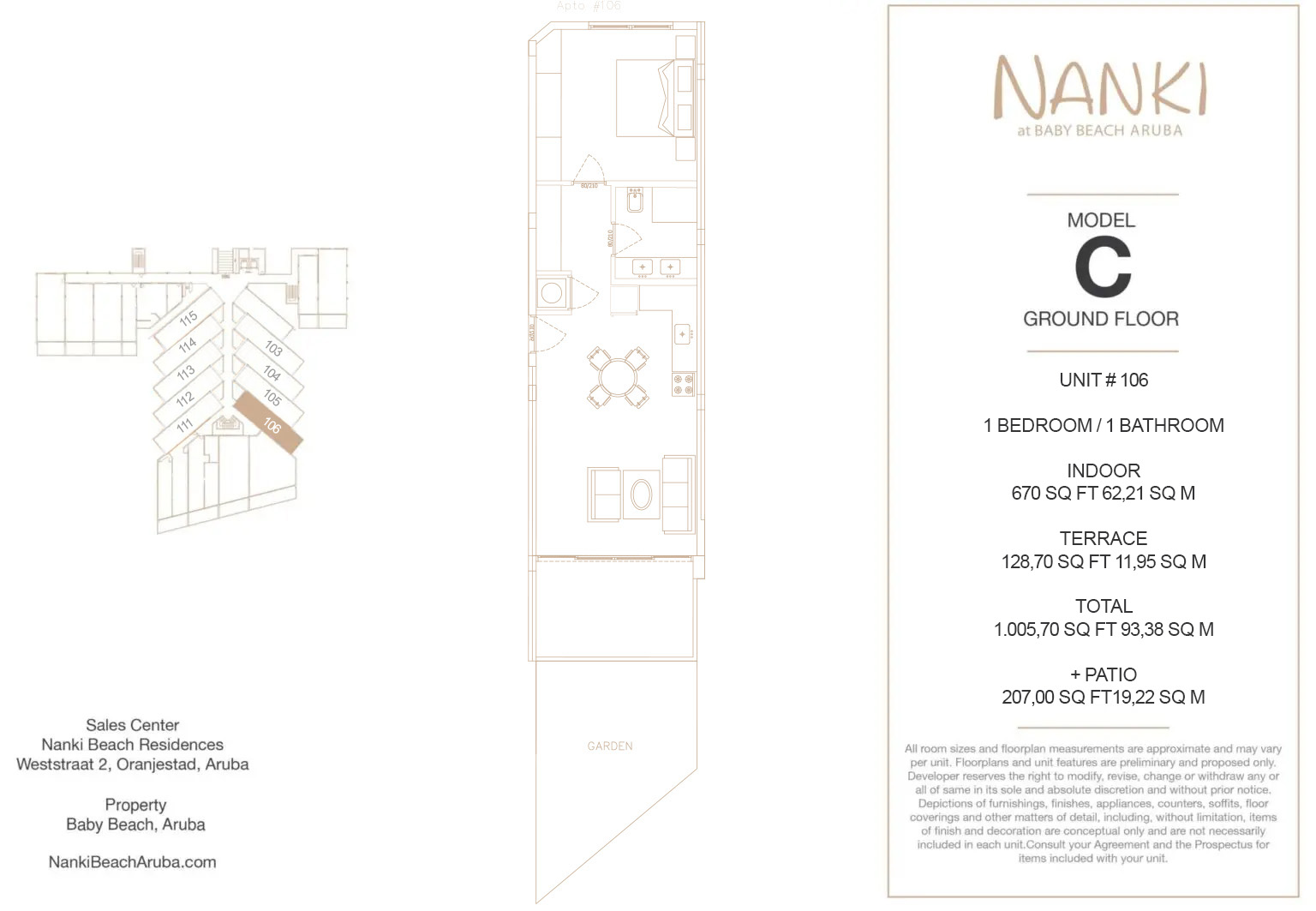
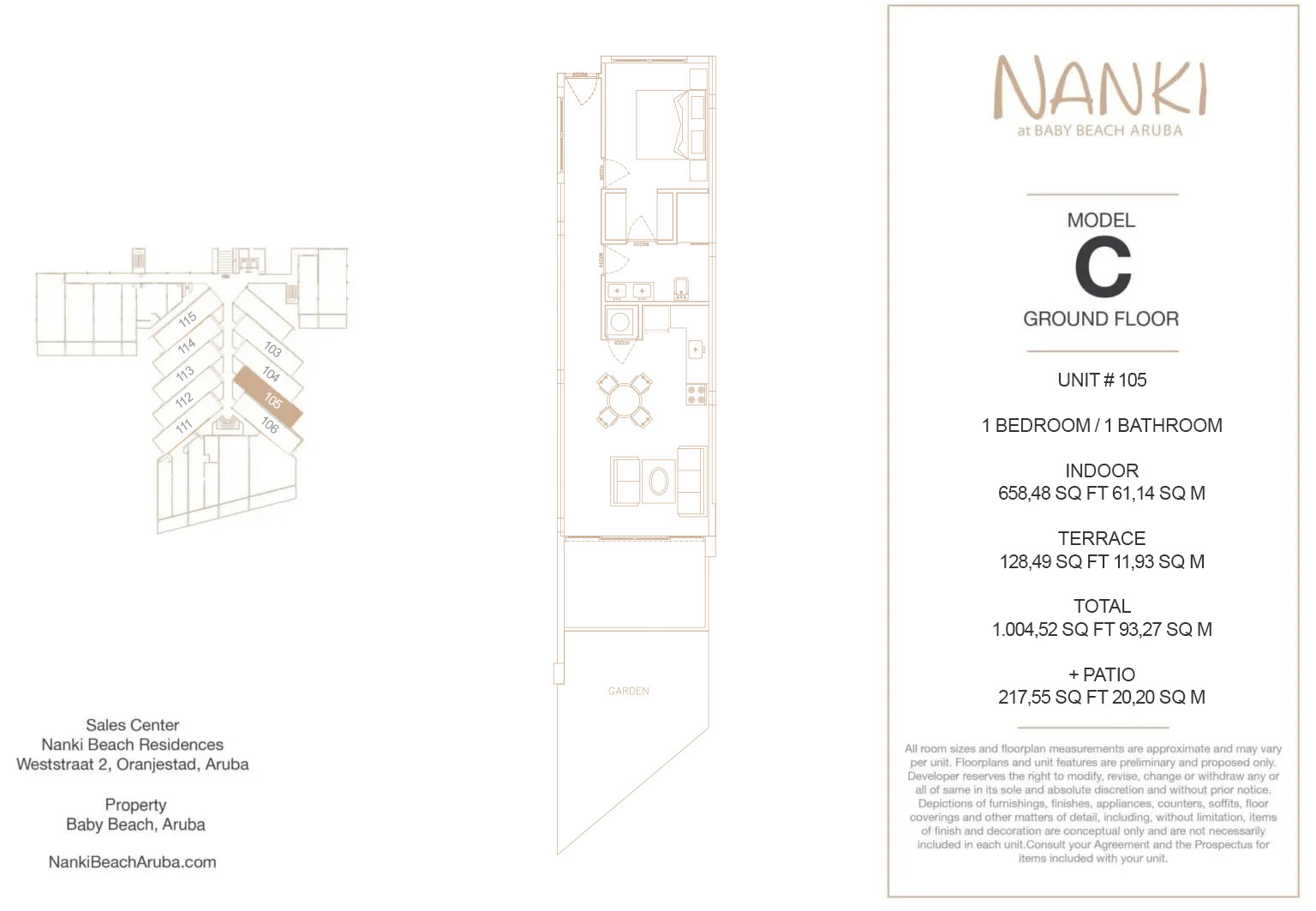
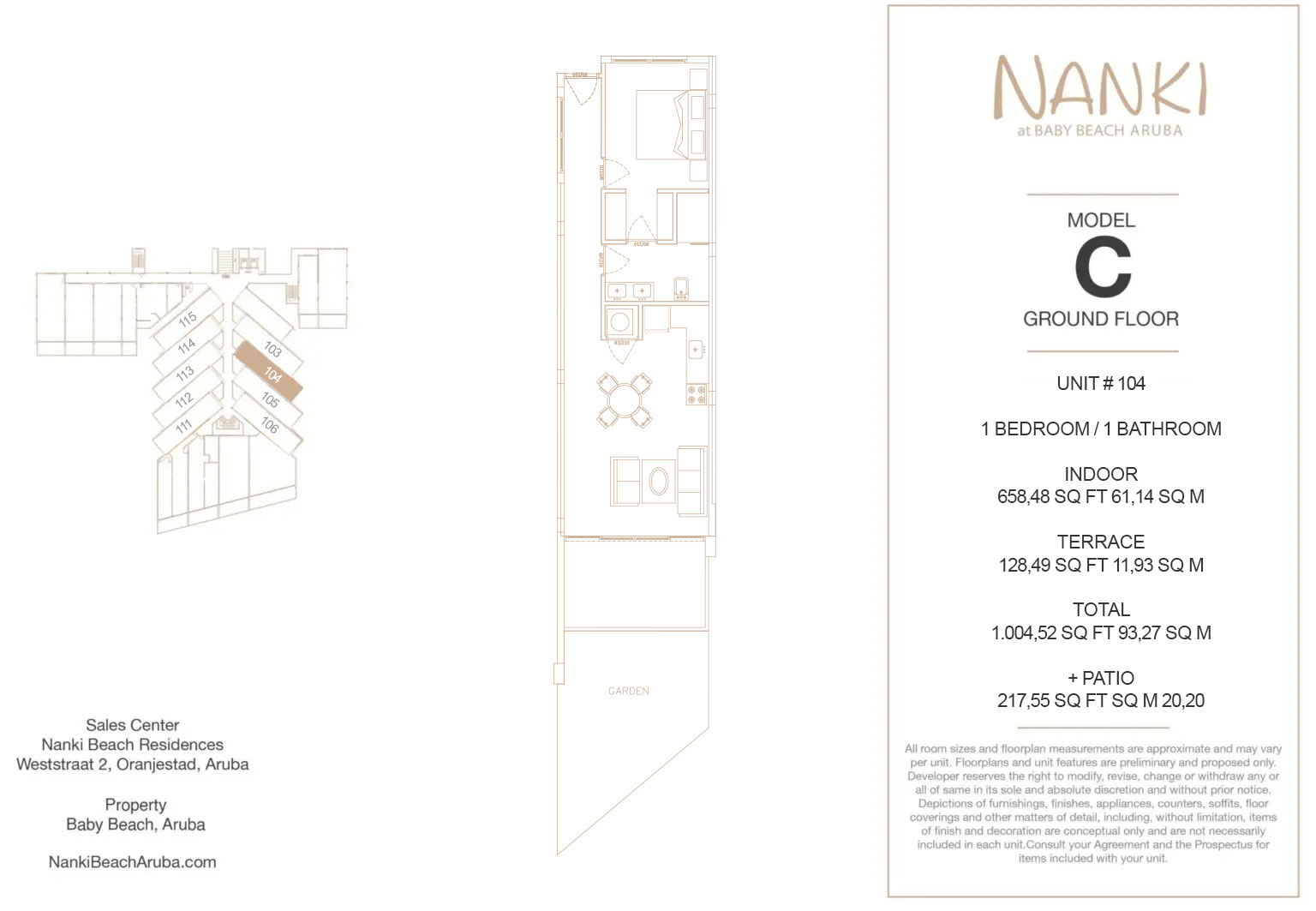
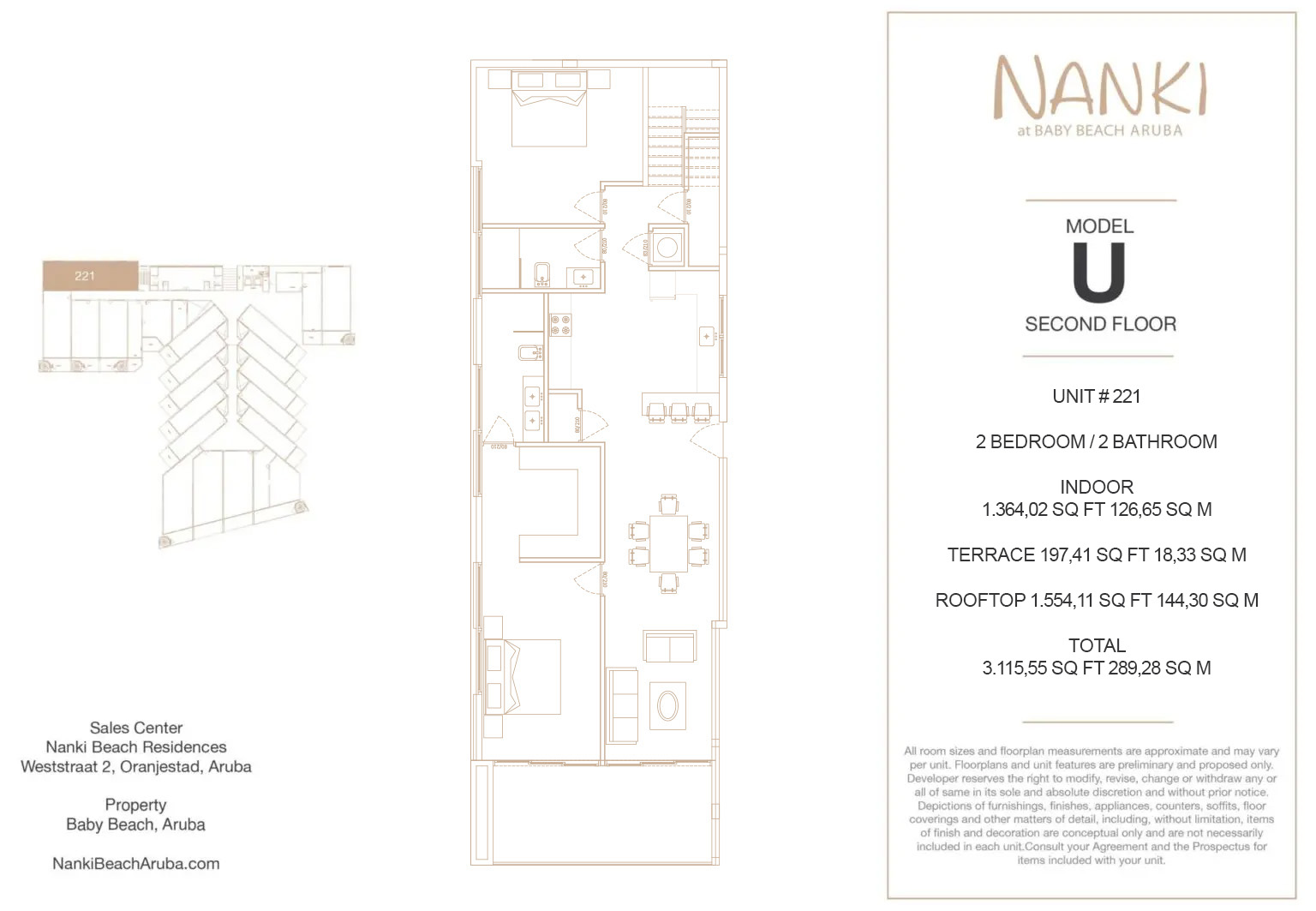
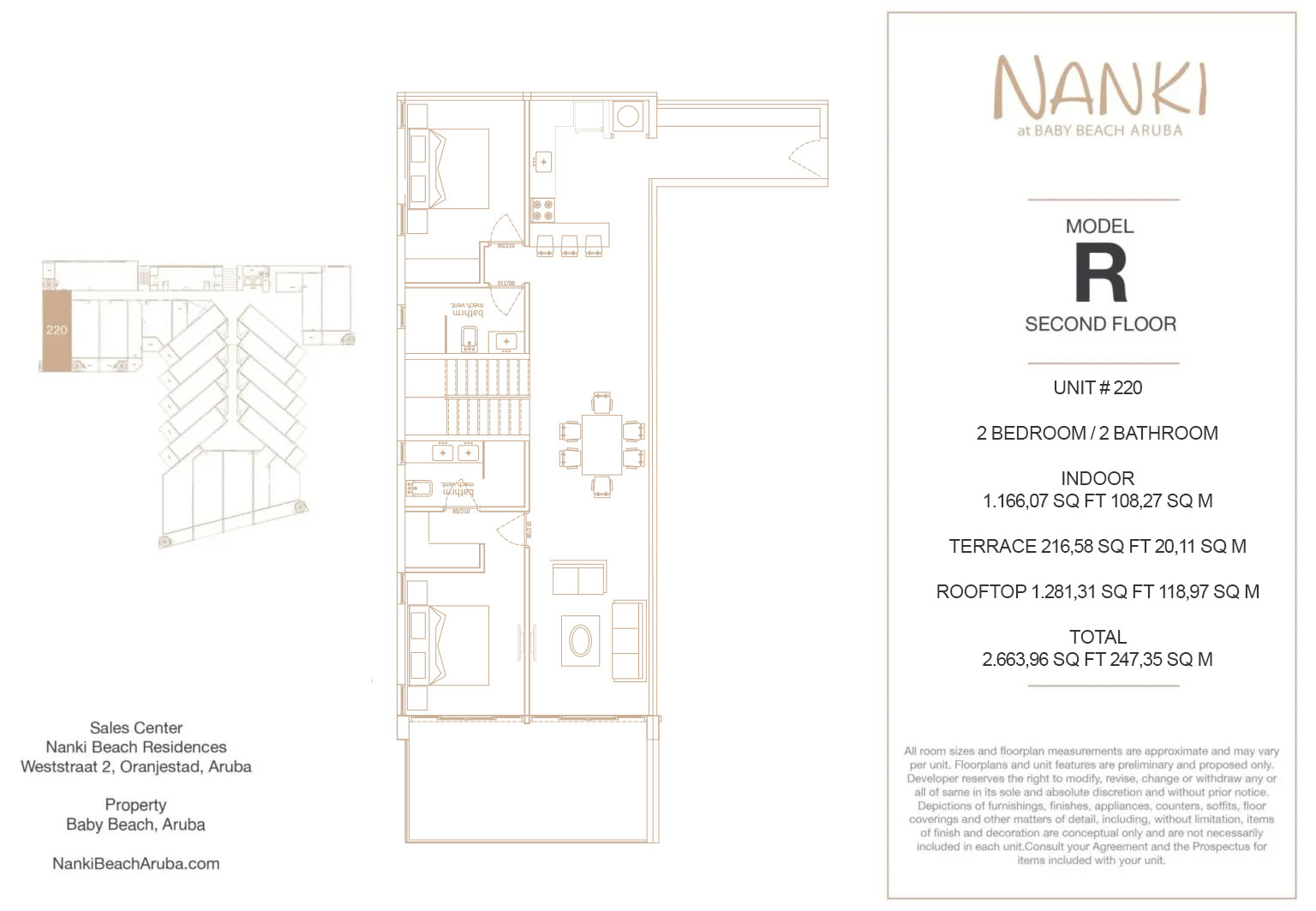
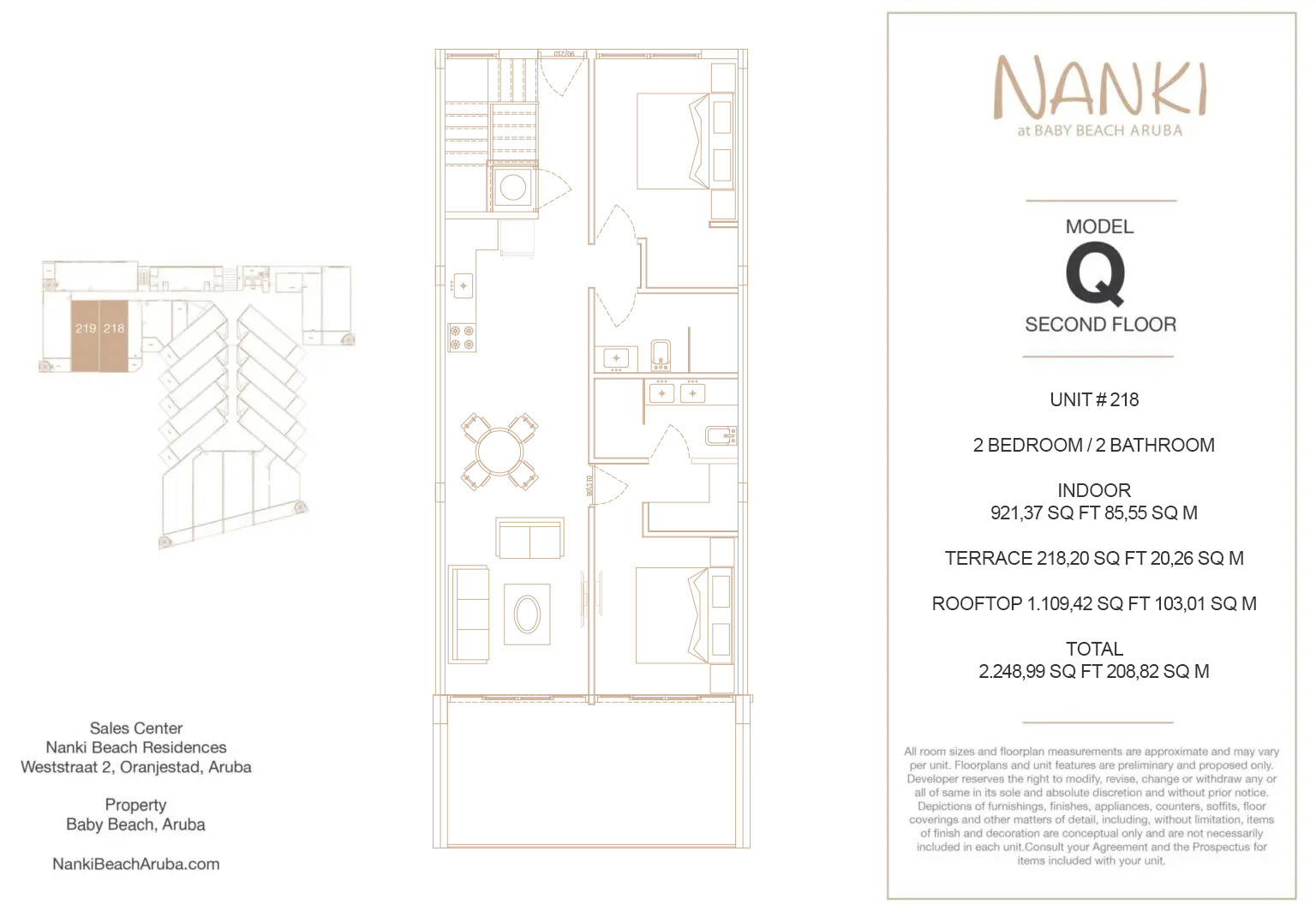
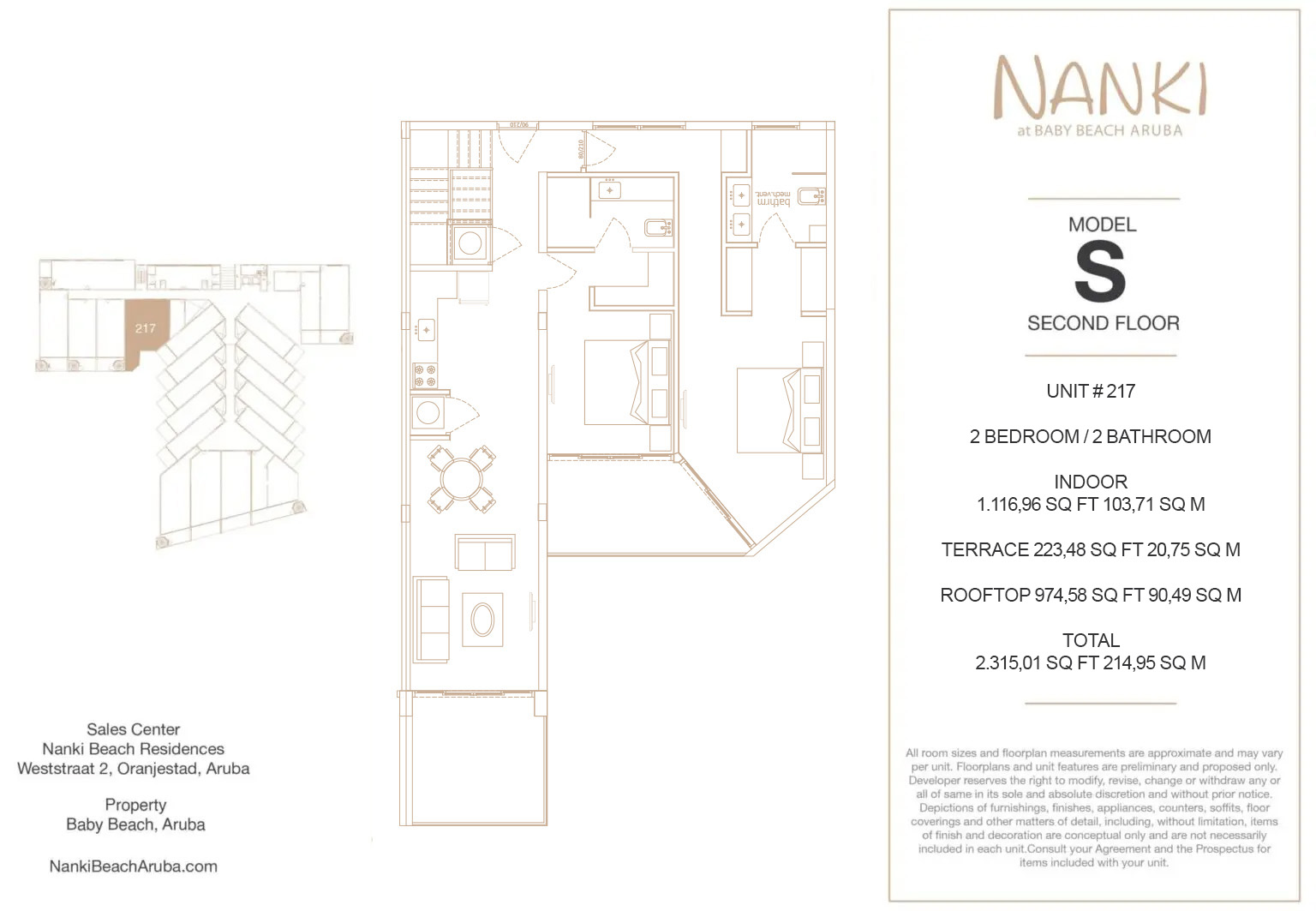
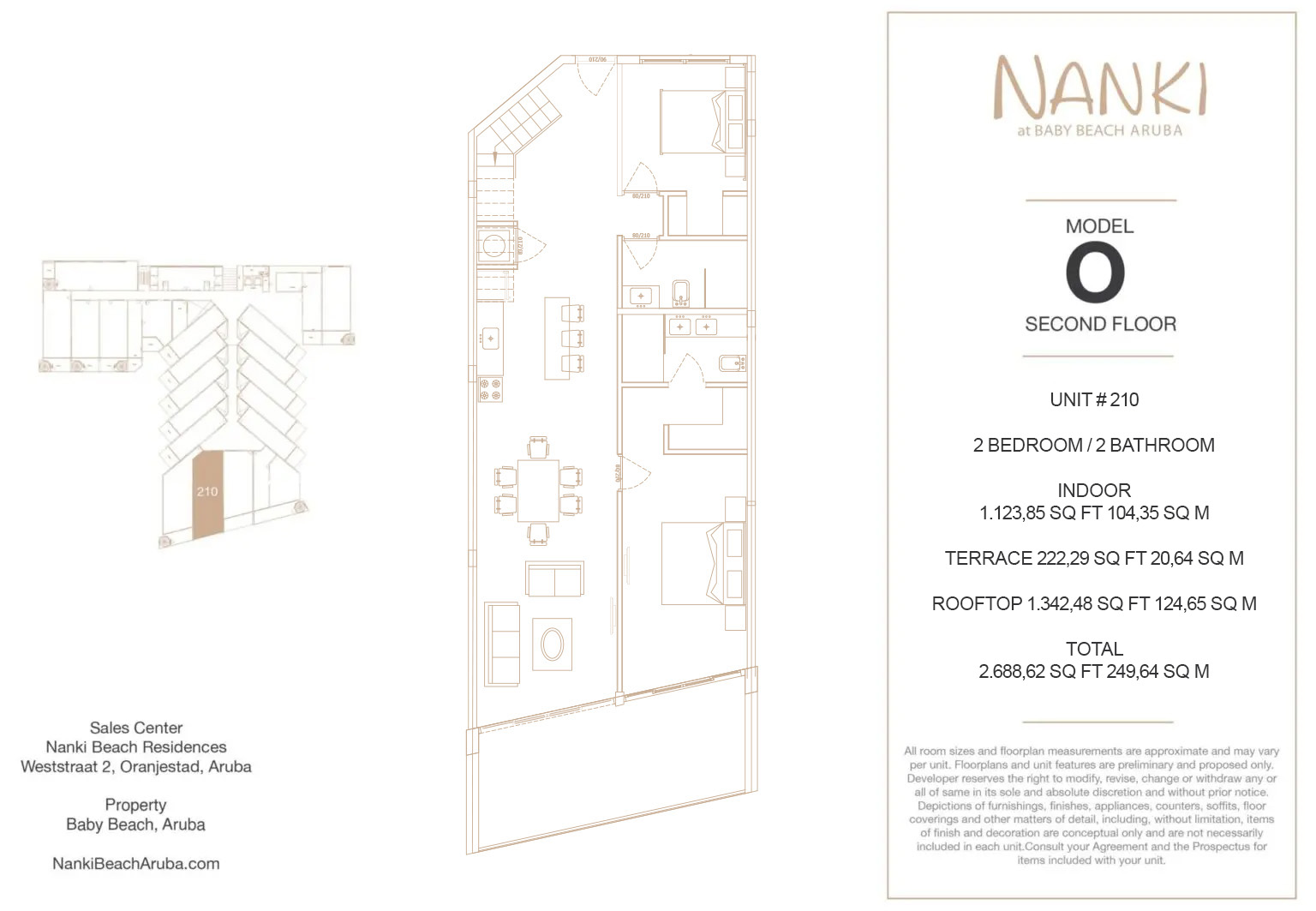
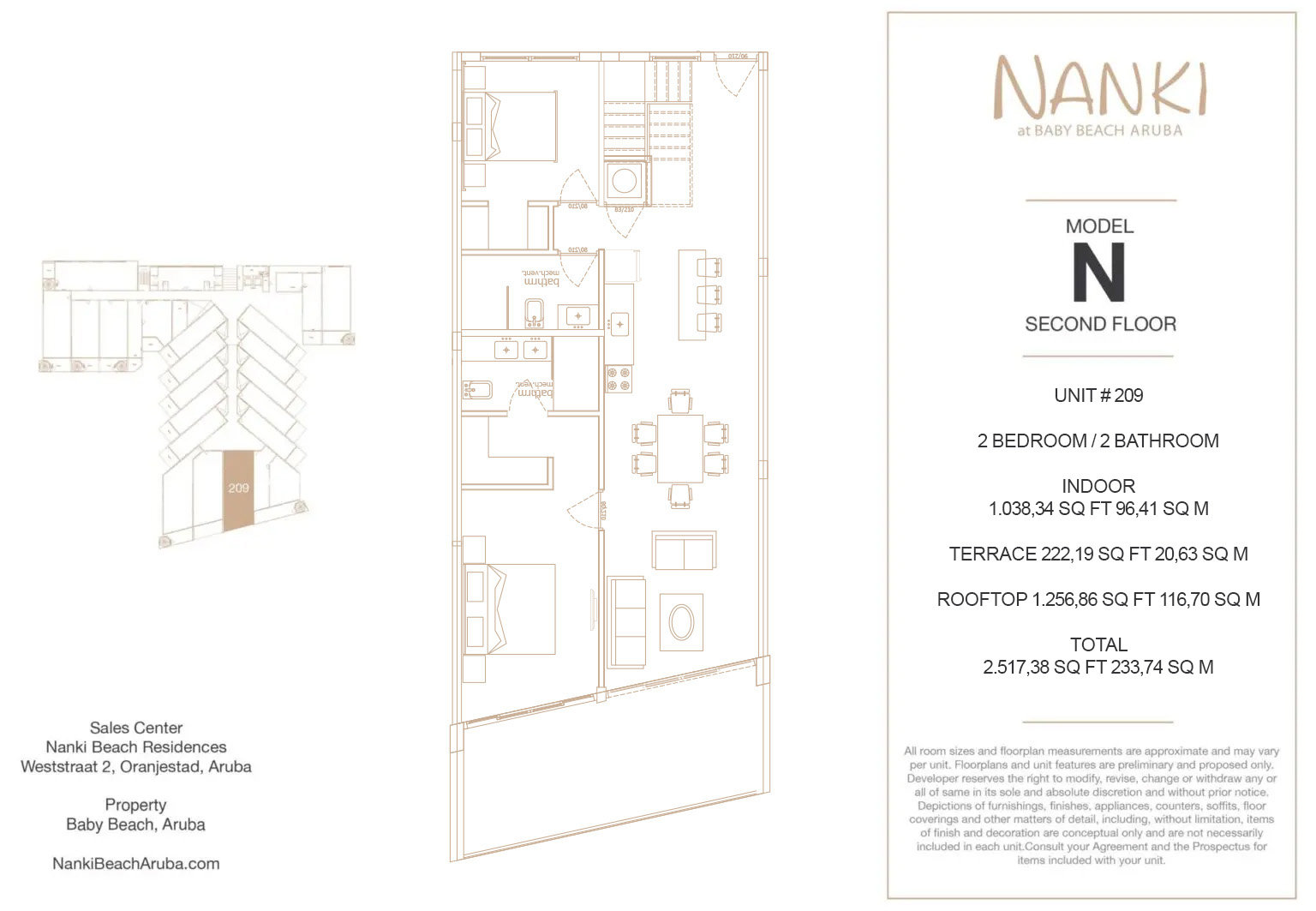
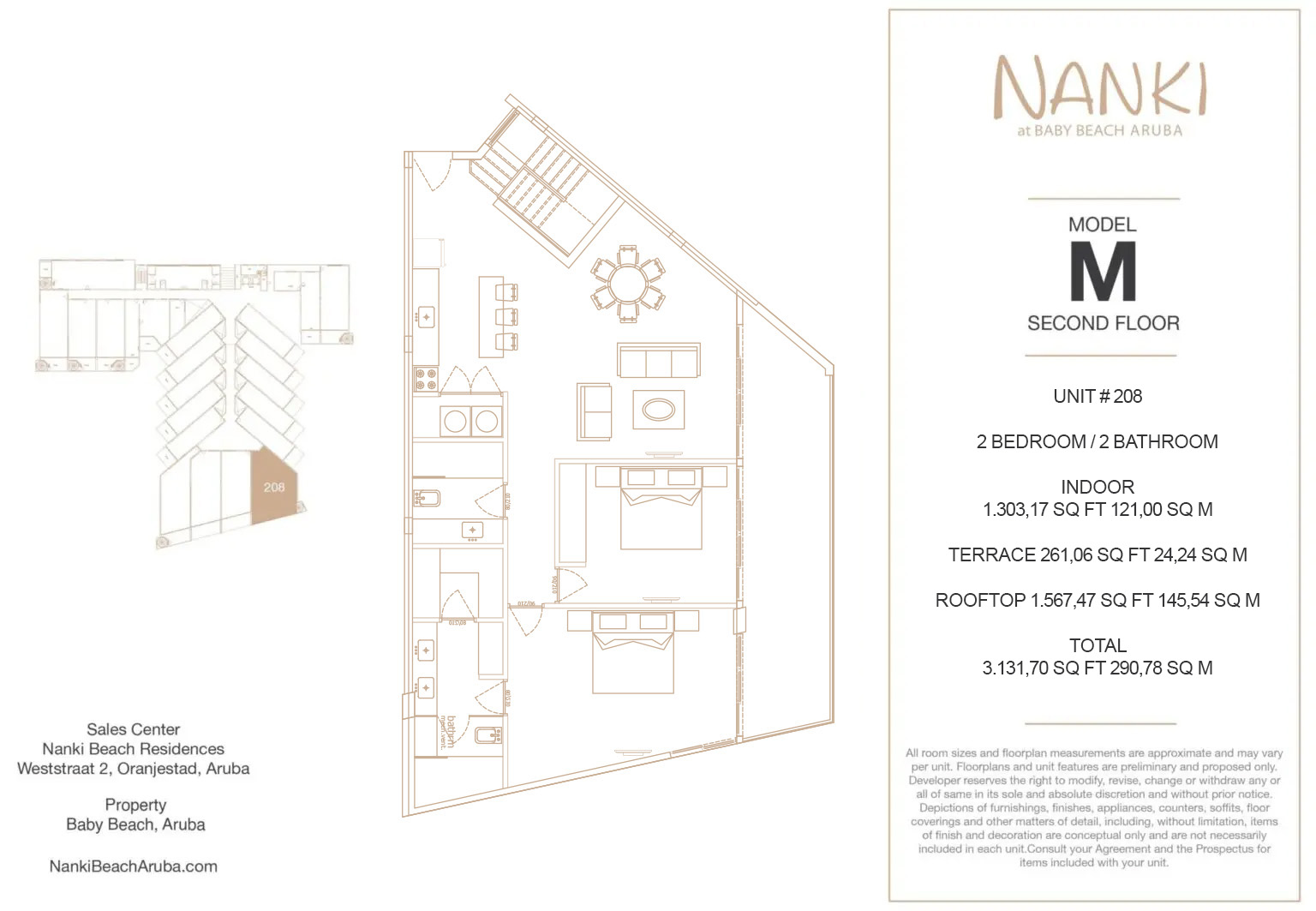
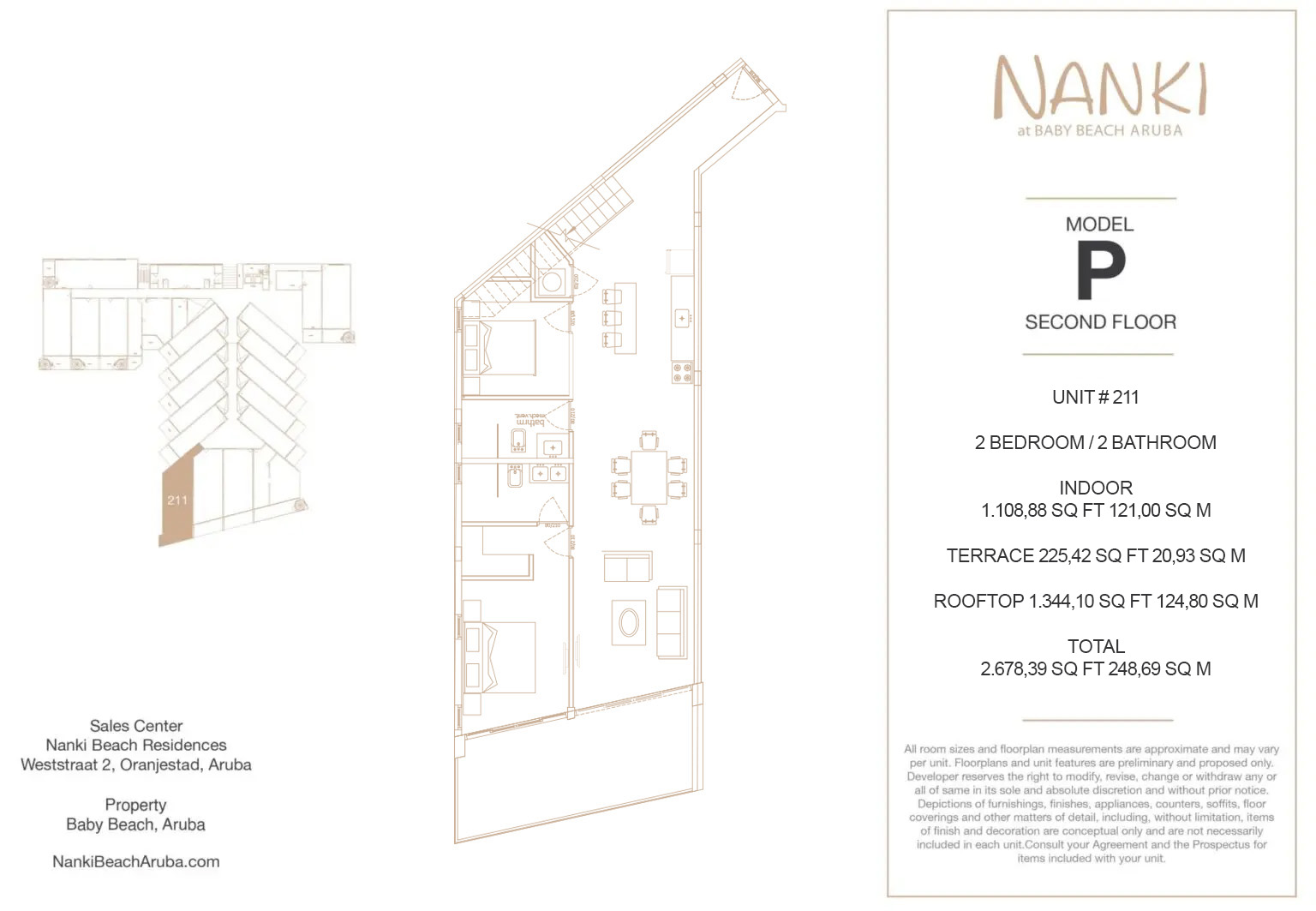
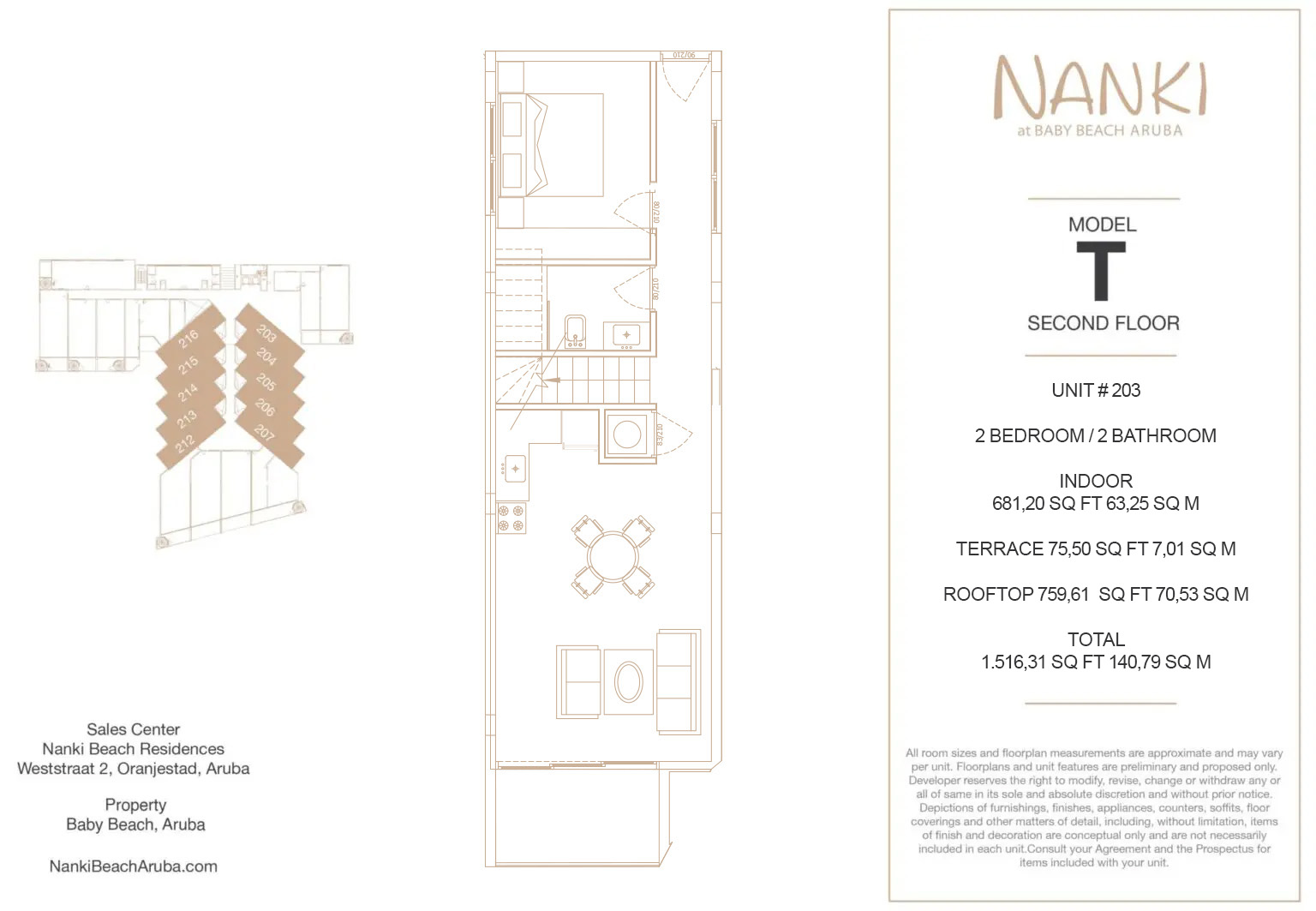
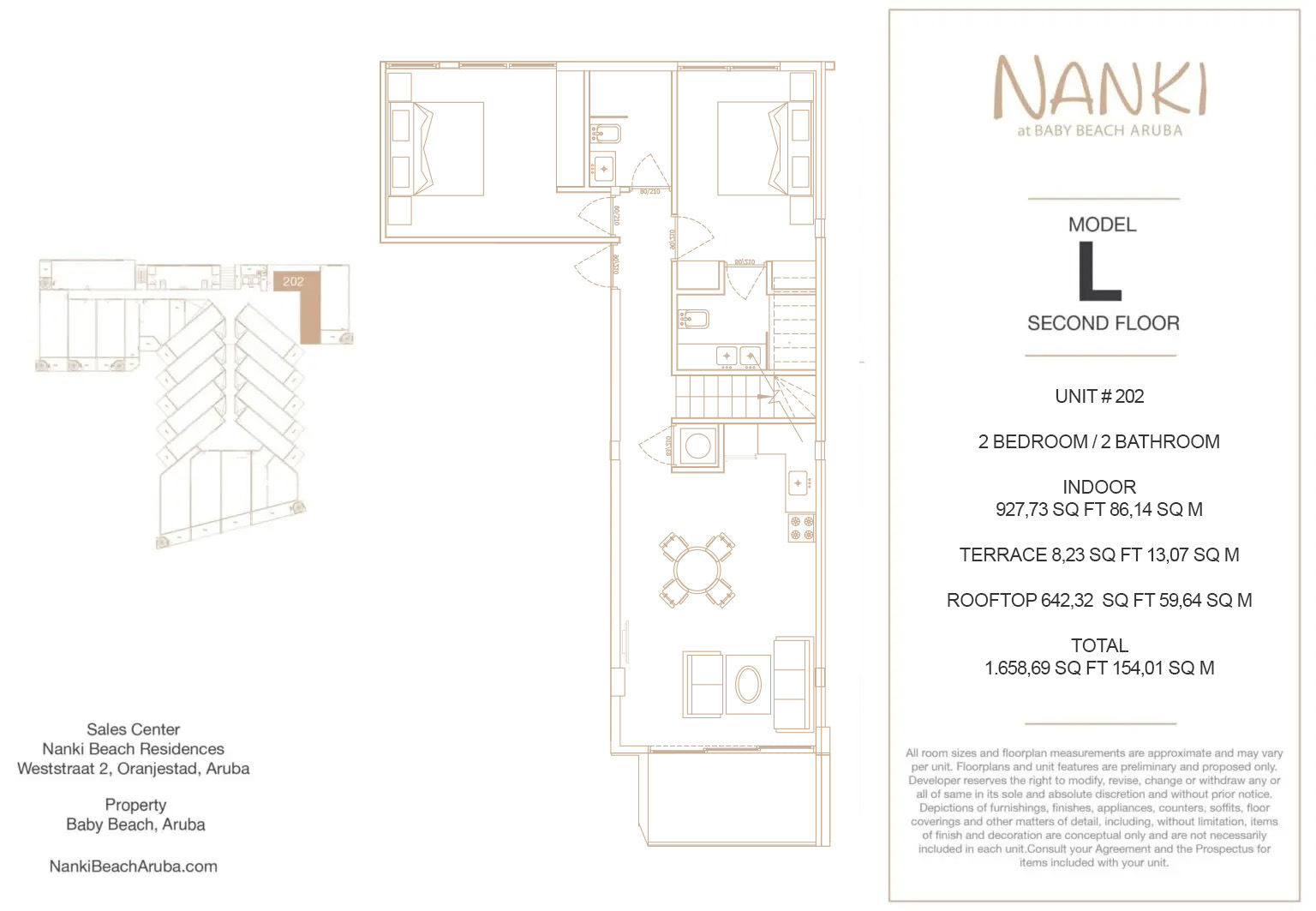
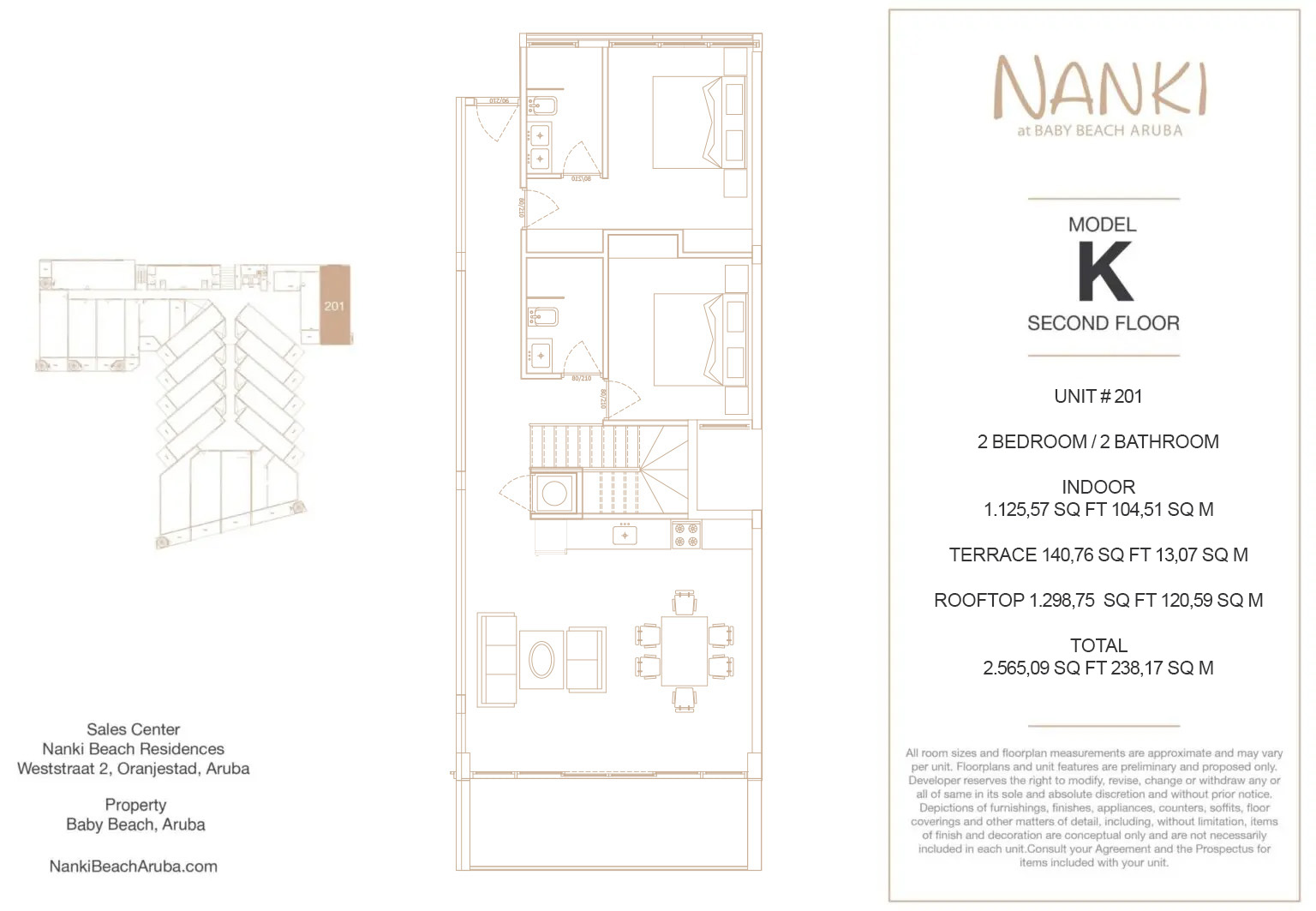
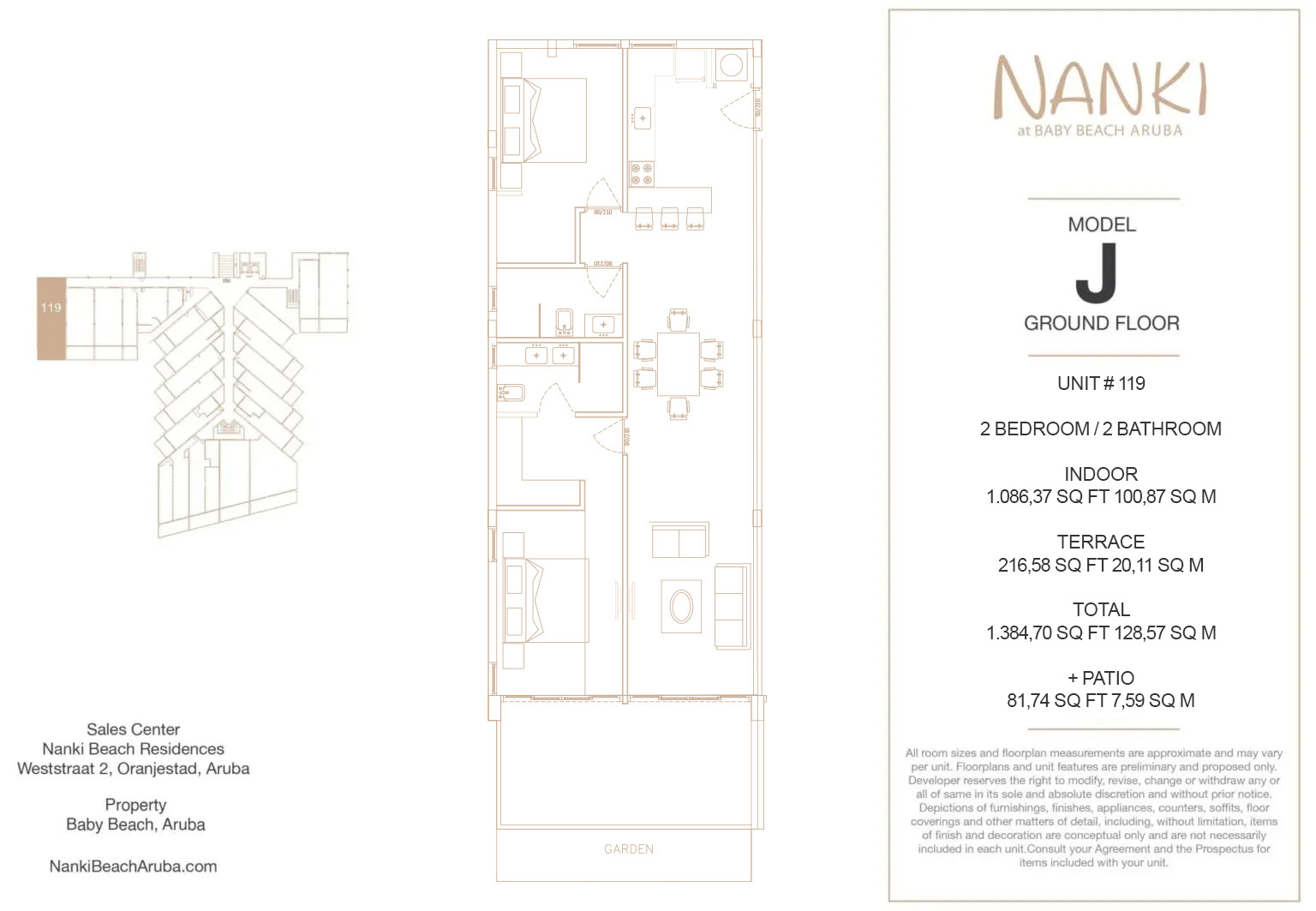
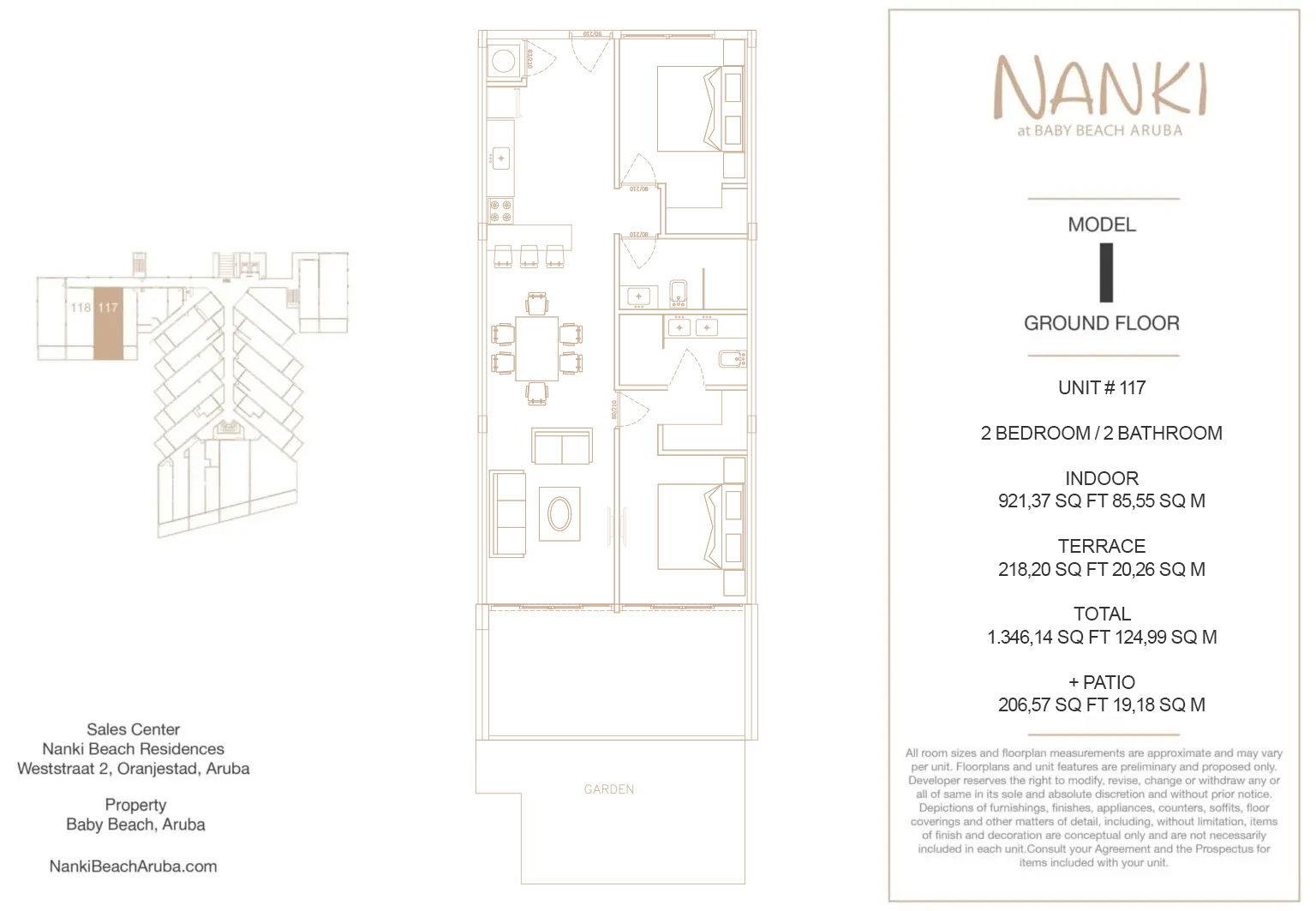
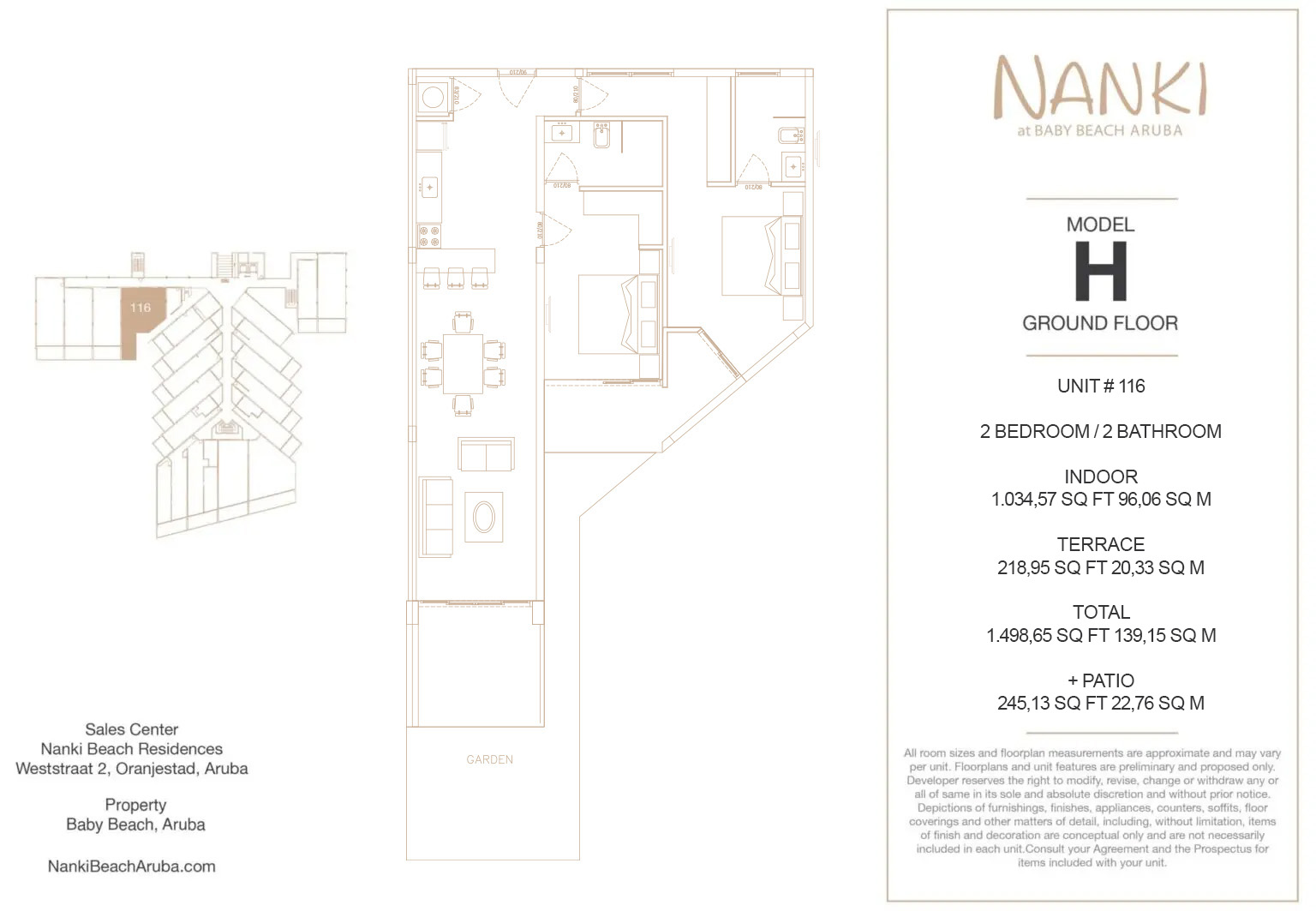
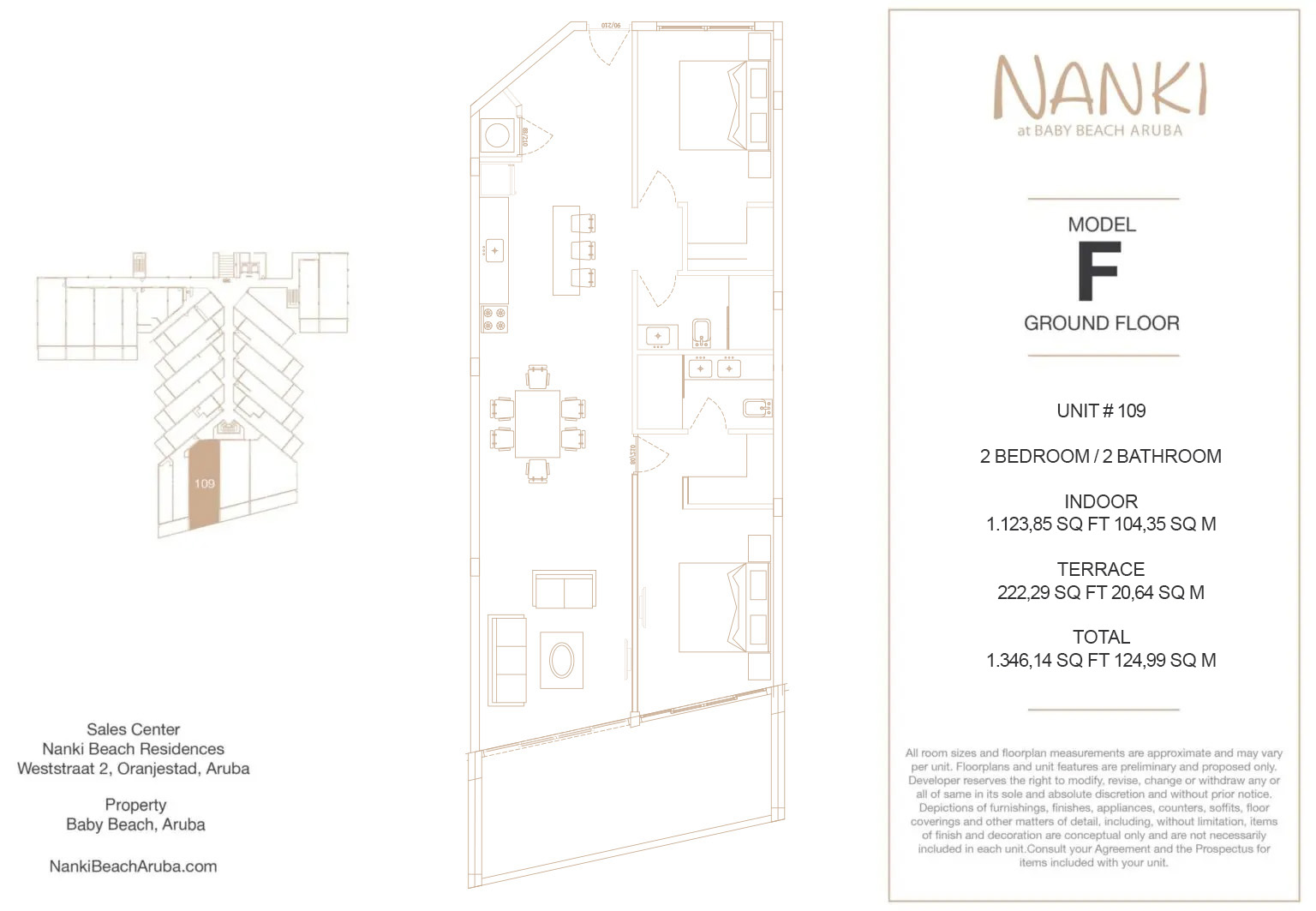
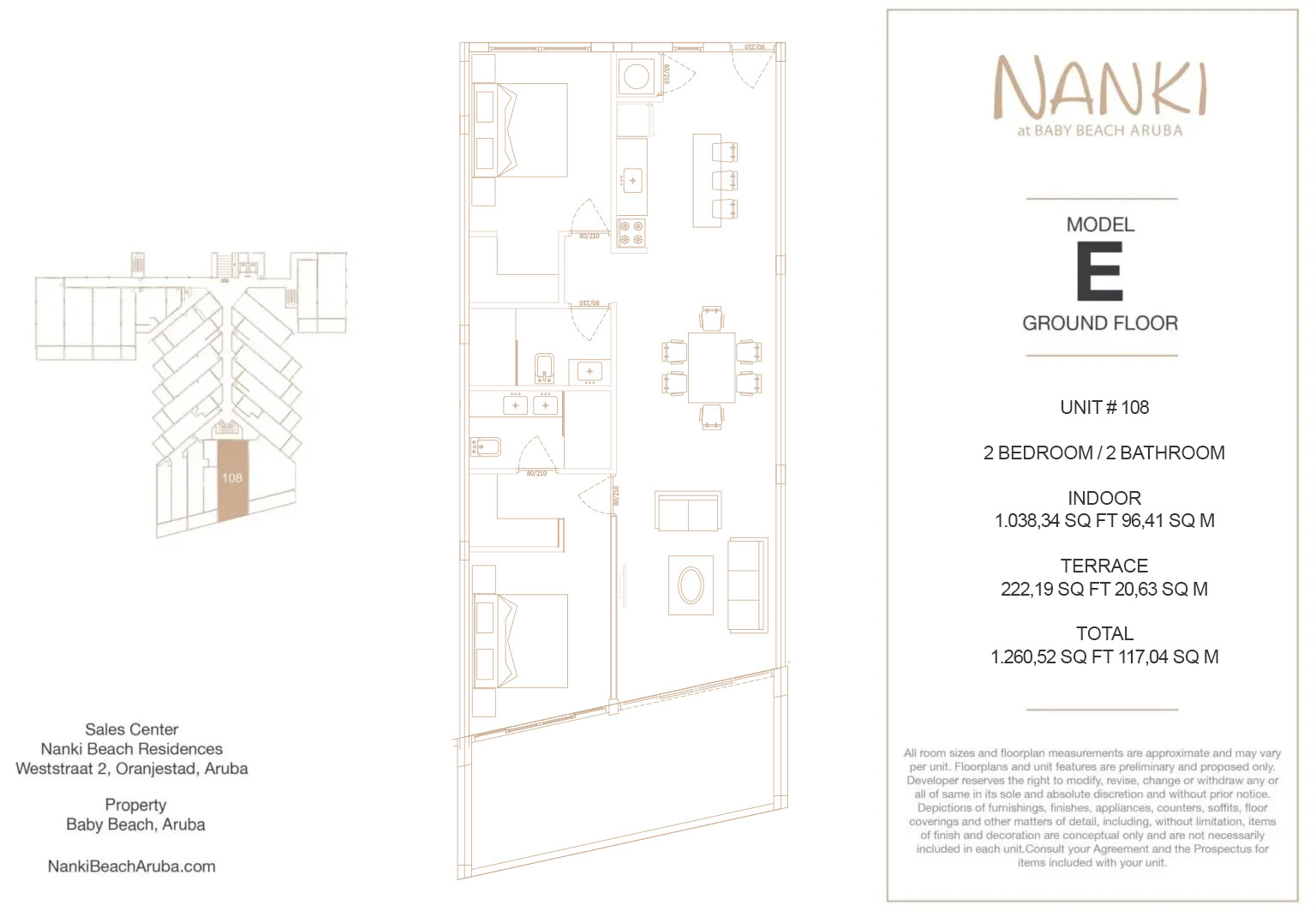
Located just steps from one of Aruba’s most iconic beaches and near the evolving energy of San Nicolas, Nanki at Baby Beach reflects how this shift is already taking shape. It offers a rare opportunity to invest in a location aligned with the island’s next phase of growth.
For those looking to be part of this transition early, opportunities in this area are not just relevant, but strategic.