

Discover Cultural Routes in Aruba
Through Its Historical Treasures

Not all islands whisper their stories. Some, like Aruba, shout them through bold murals, windswept ruins, and the echoes of ancient petroglyphs. Here, history isn’t something you read about in books. It’s something you feel as you run your fingers over centuries-old rock carvings in cultural routes, something you hear in the steel drum rhythms of Carnival, and something you see in the deep ochre and pastel blues of Oranjestad’s colonial facades.

This is Aruba, an island where the past and present are layers of the same story. Let’s pull back the curtain on the island’s hidden corners and legendary landmarks, where every stone, brushstroke, and melody tells a tale worth discovering.

Explore Aruba’s Rich History and Traditions

Some islands are defined by their landscapes. Aruba is defined by its people, traditions, and resilience.

The island’s first storytellers were the Caquetío Arawak people, who carved their history into rock formations and built their lives in harmony with the land. Then came Spanish explorers, followed by Dutch traders, each of whom left behind a piece of their respective cultures, which became woven into Aruba’s identity.

But history isn’t just about what came before; it’s about what still lives on.

How Aruba’s Cultural Heritage Shapes Its Identity

How Aruba’s Cultural Heritage Shapes Its Identity

What makes Aruba unique isn’t just its history, but how that history has shaped the ways in which the island moves, speaks, and expresses itself.

A Language Like No Other

Aruba speaks in four tongues: Papiamento, Dutch, Spanish, and English. This perfectly reflects an island that has always welcomed different voices.

A Rhythm That Never Stops

Music is woven into Aruba’s soul, from Carnival’s joyful chaos to the deep African and European influences found in Aruban waltz and tumba.

A Canvas for Creativity

Whether it’s an indigenous rock carving, a mural in San Nicolas, or handcrafted jewelry sold at a market, Aruba tells its story through art.

Aruba wears its heritage like a badge of honor, ensuring that every visitor feels
the depth and vibrance of the island’s culture.

Aruba wears its heritage like a badge of honor, ensuring that every visitor feels the depth and vibrance of the island’s culture.

Top Cultural Landmarks to Visit in Aruba

Aruba’s past is right in front of you, standing against the wind and waves. It includes old gold mills, cliffside chapels, and towering lighthouses. Each of these locations holds a piece of the island’s journey waiting for you to explore.

Must-See Historical Sites and Iconic Landmarks in Aruba

Some places fade over time, but Aruba’s most treasured landmarks continue to shape the island’s identity. They are reminders of an era when explorers, traders, and dreamers left their mark on these shores. You should definitely think about exploring some of the following spots:

San Nicolas:
Aruba’s Cultural Heart

San Nicolas is an explosion of creativity. Once a quiet oil refinery town, this area has transformed into Aruba’s artistic capital:

Discover the History and Art of San Nicolas

A Street Art Wonderland:

Every mural shares a different story, some of migration and struggle, others of heritage and pride, but all capturing the essence of Aruba.

Art Fair:

Once a year, San Nicolas becomes an outdoor gallery where artists, musicians, and performers come together from around the world to bring the town to life.

Cosecha Creative Center:

A space where local artisans keep Aruba’s craftsmanship alive, offering handmade ceramics, textiles, and jewelry.

San Nicolas is all about feeling the energy of a town that refuses to be forgotten.

Unveiling Aruba’s Ancient Petroglyphs
and Archaeological Sites

Long before Aruba had maps or written records, its early inhabitants told their stories through symbols carved into stone. These petroglyphs, etched into caves and rock formations, offer a glimpse into the beliefs, rituals, and daily lives of the Caquetío Arawak people.

The Intersection of History, Art,
and Real Estate in Aruba

Owning a home in Aruba is about being part of an island where history and modern life coexist.

Oranjestad Historic District:

Dutch-inspired architecture surrounded by colonial-style homes. This area is perfect for those who love a blend of heritage and luxury.

San Nicolas Art Lofts:

There’s definitely creativity behind the walls, offering an inspiring environment near Aruba’s most iconic murals.

Coastal Luxury Condos:

Wake up to a view that has inspired countless explorers and artists for centuries. Nestled along the coast, these exclusive residences offer you the ocean at your doorstep.


Available Properties:
Live Close to Aruba’s Rich History and Art

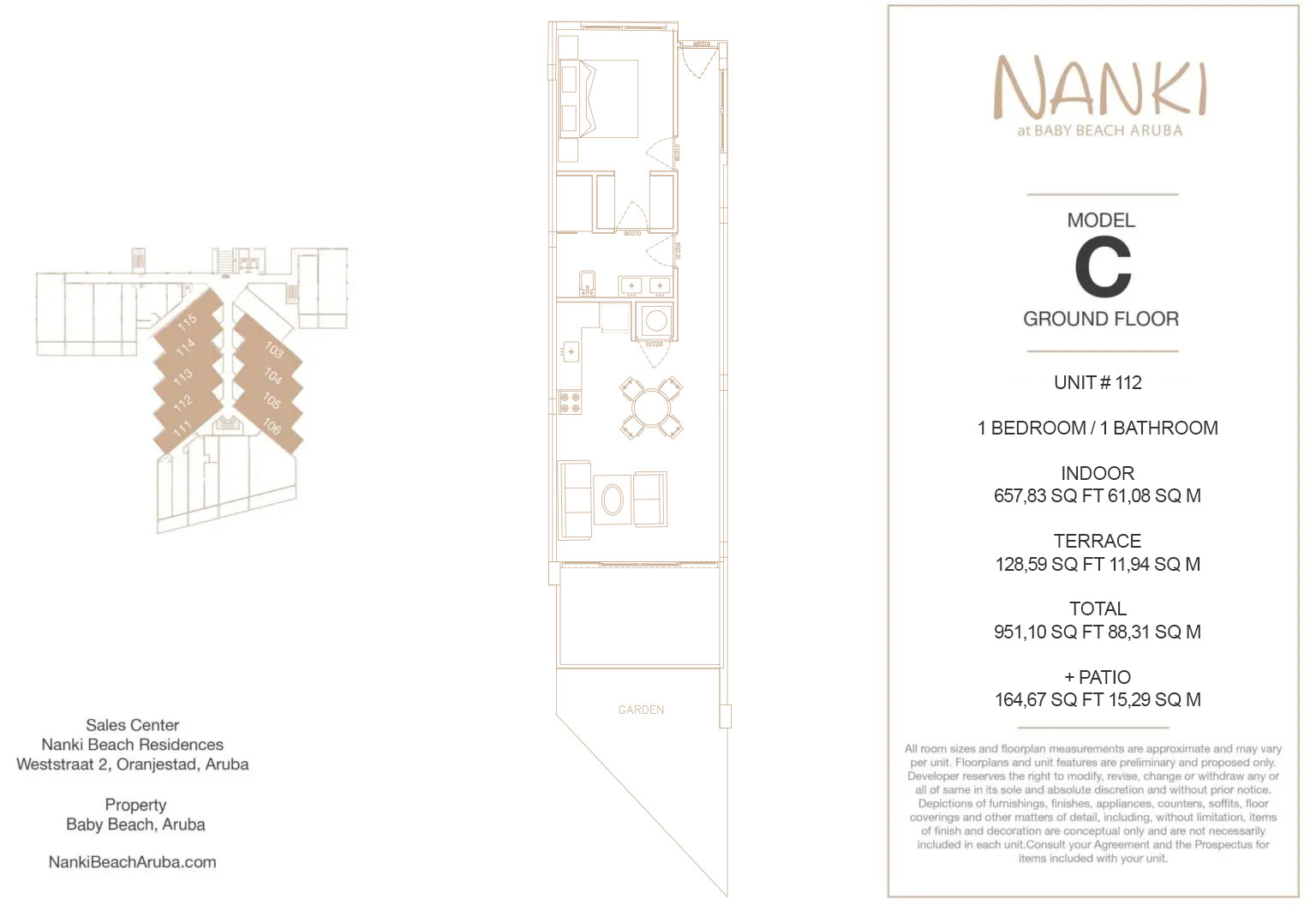
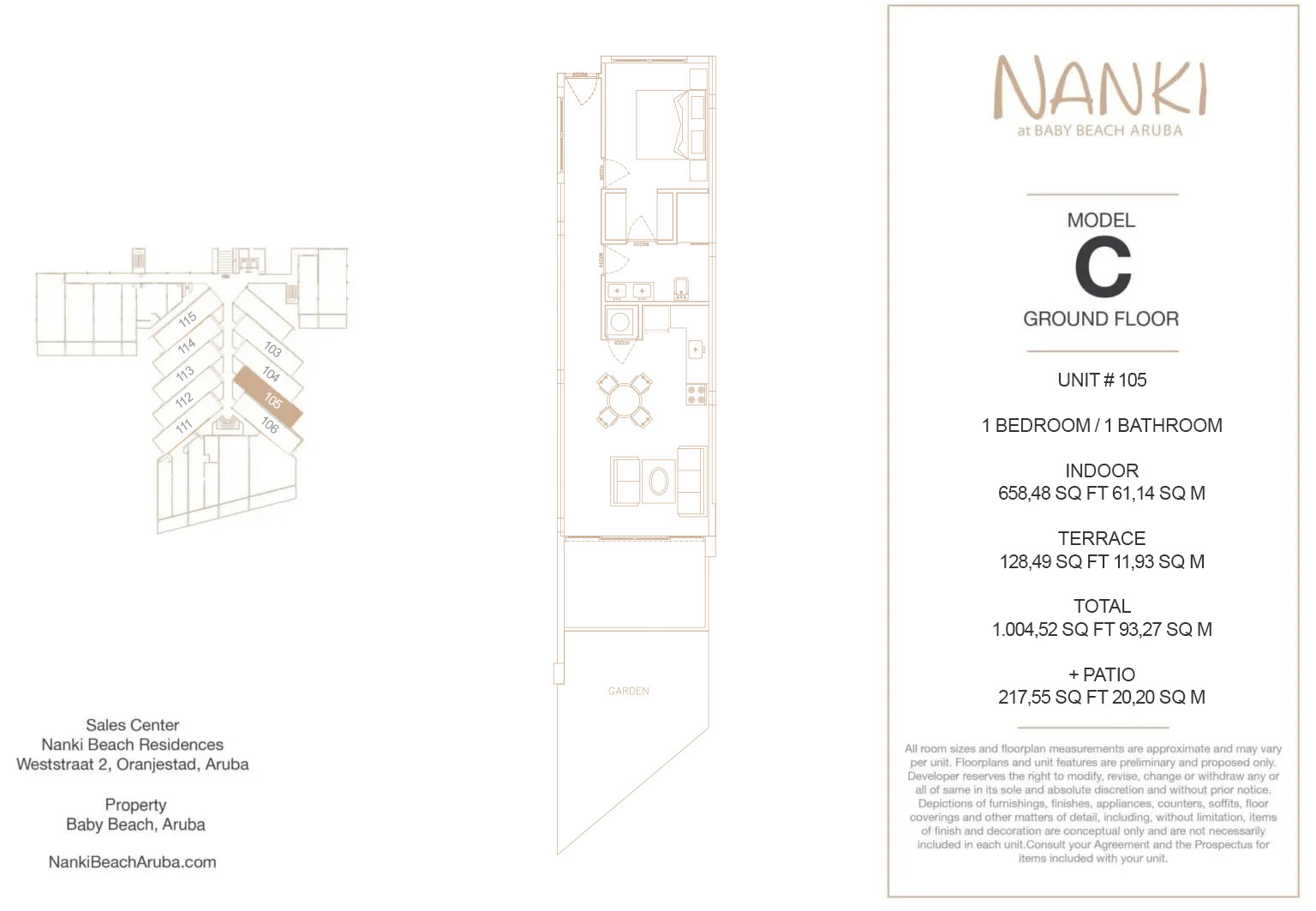
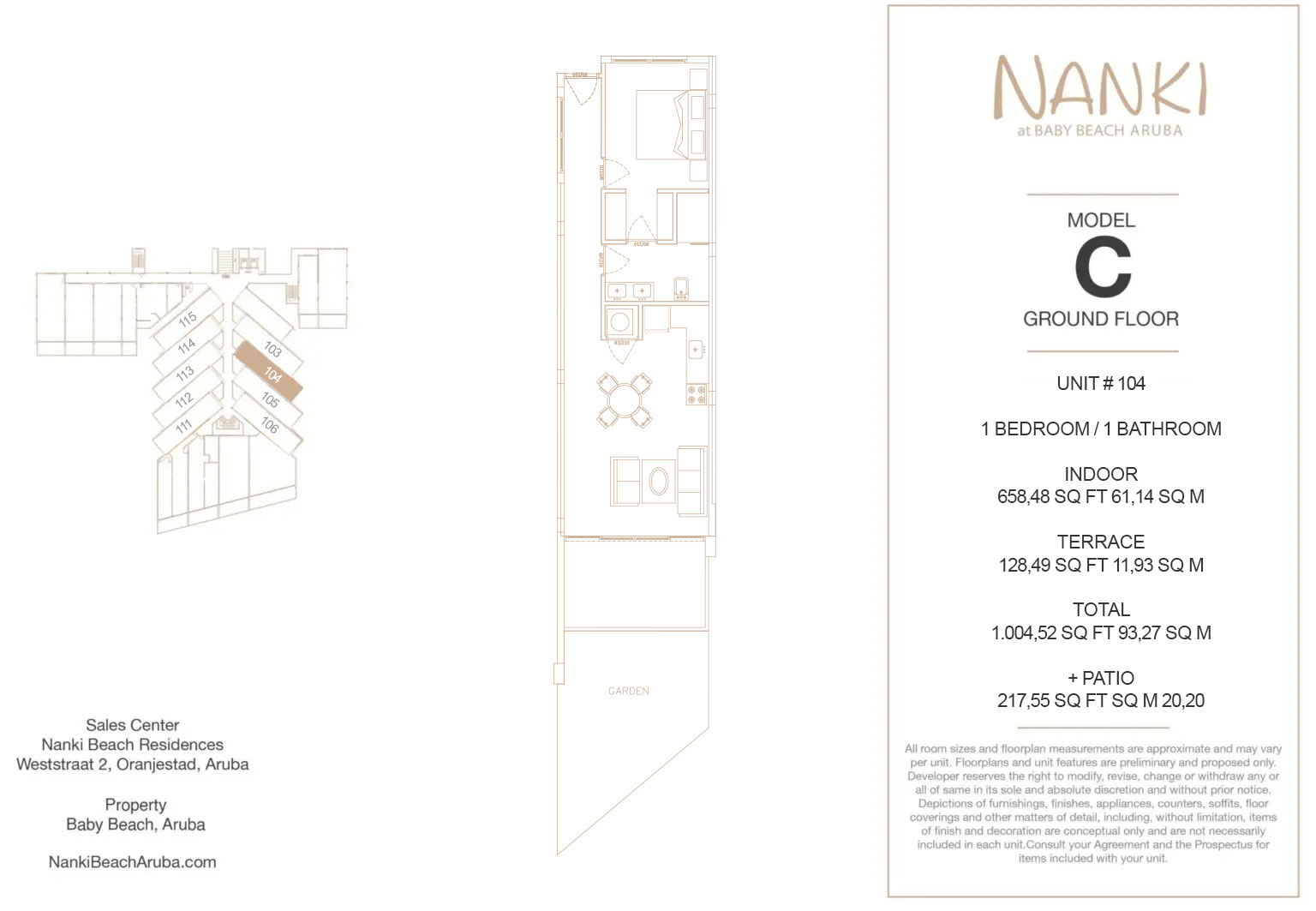
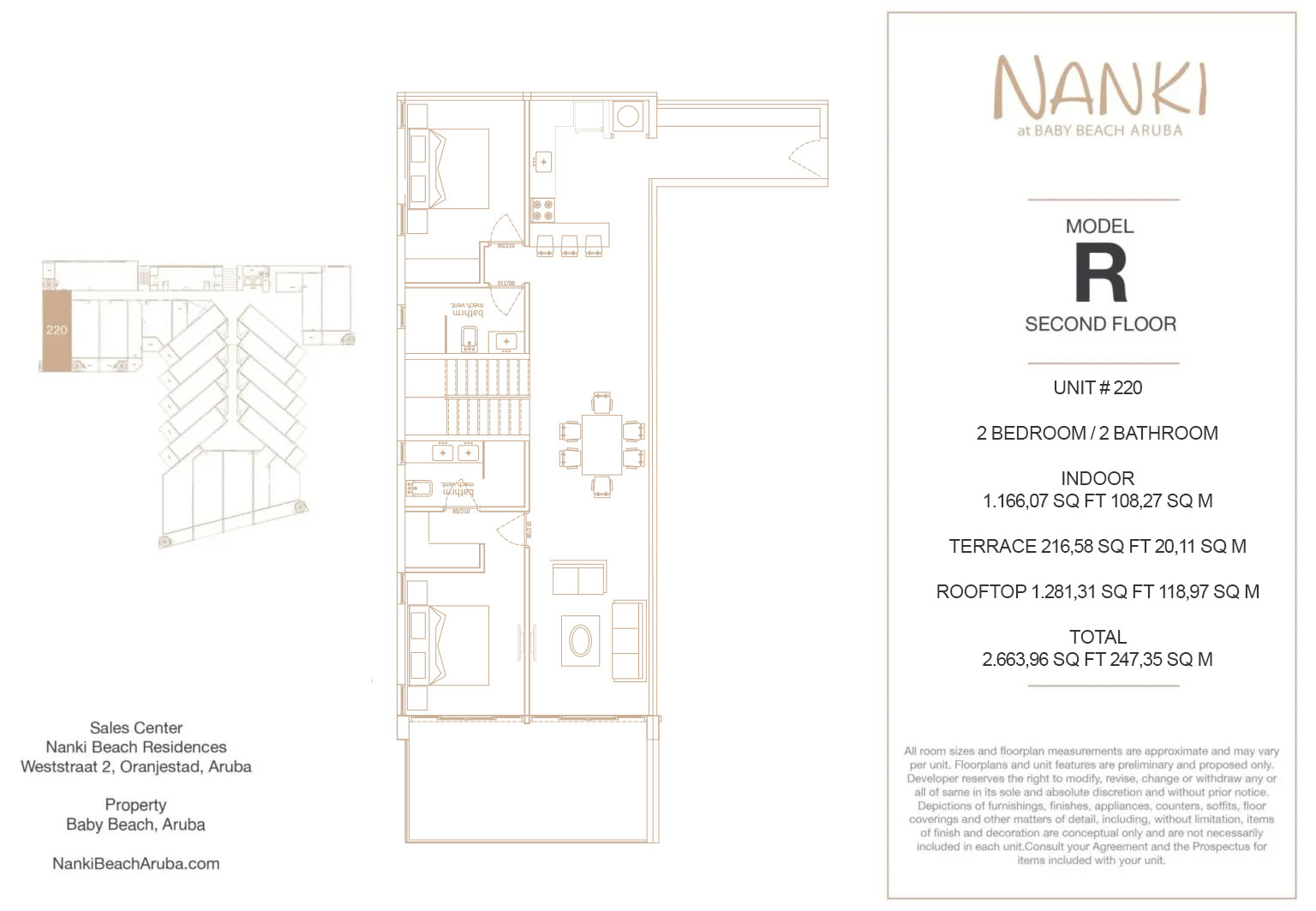
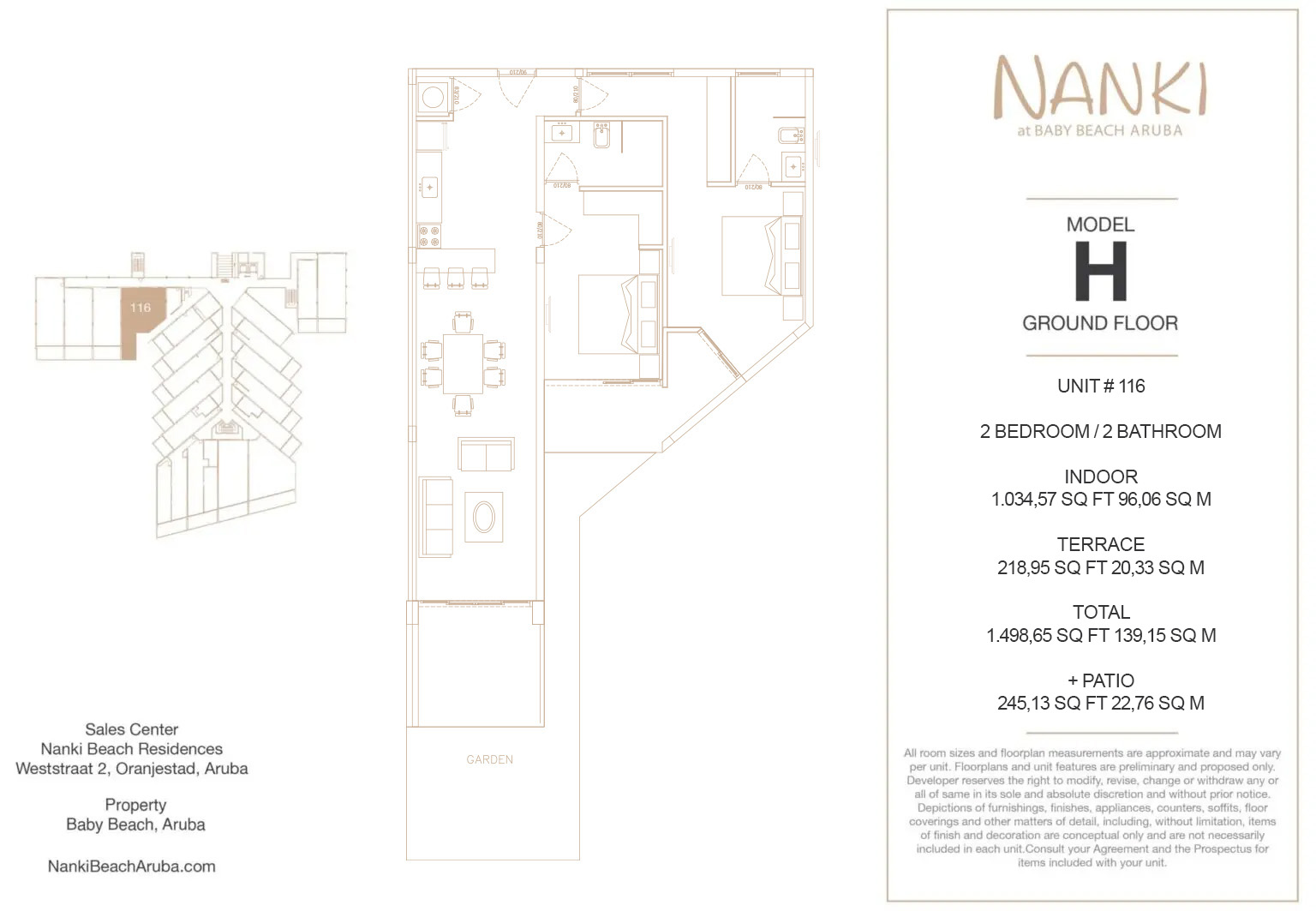
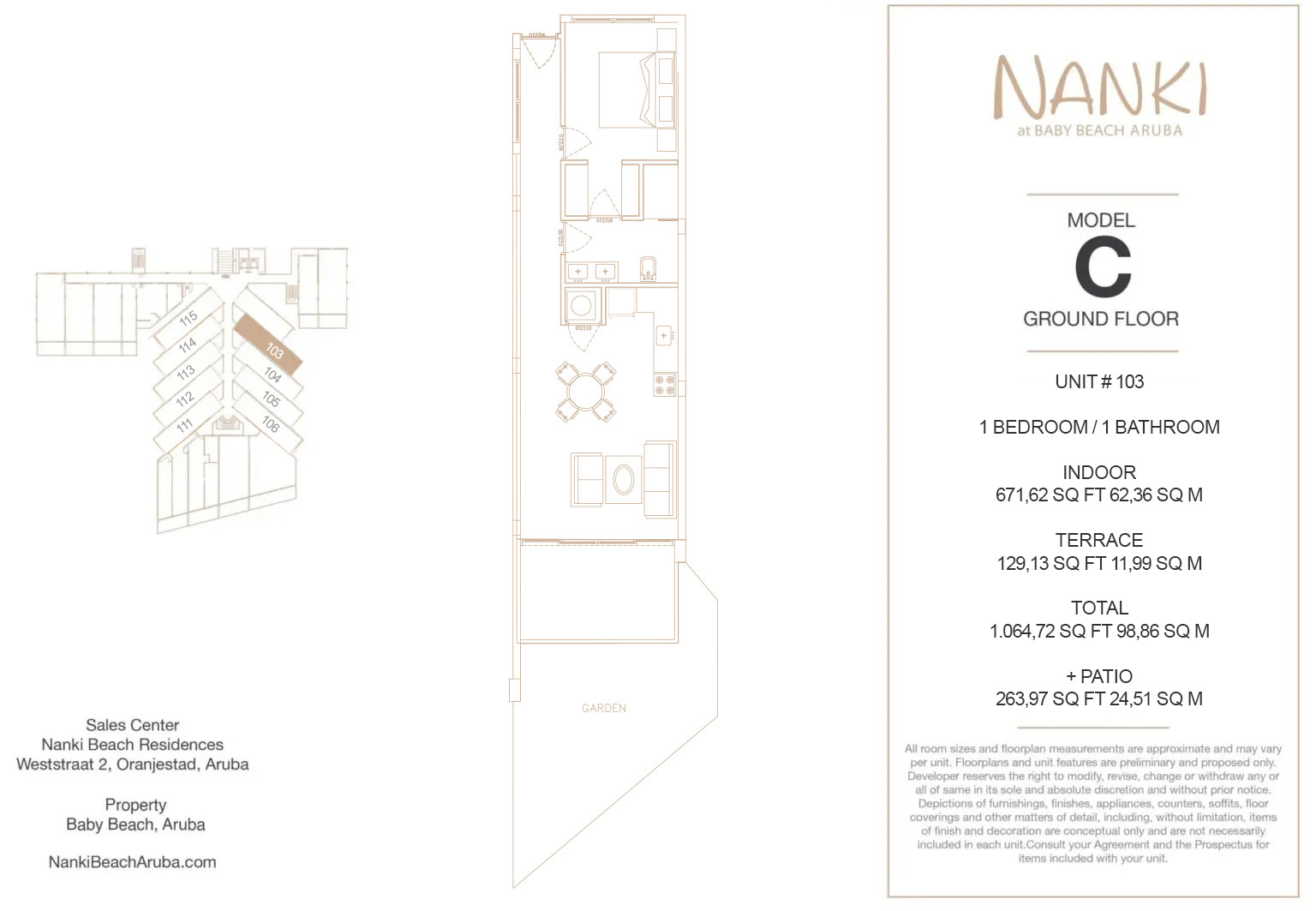
Some places are meant to be visited. Others, like Aruba, are intended to be claimed. The books have written their past, but now, it’s your turn to create a chapter that is made just for you. At Nanki at Baby Beach, history is something to live.

Just beyond your doorstep, San Nicolas’ murals unfold like an open-air gallery just minutes away. A short drive leads you to Fontein Cave, where ancient petroglyphs whisper stories carved in stone. Further along the coast, the gold mill ruins of Bushiribana and Balashi stand as weathered echoes of Aruba’s past ambitions.

In Nanki at Baby Beach, history and modern luxury come together seamlessly. These exclusive beachfront condos place you at the heart of Aruba’s cultural core, where every sunset feels like the perfect ending to a story that only you can tell.