
How to Buy a Property in Aruba?
A Guide to Make the One Happy Island Yours
Reading Time: 6-7 minutes
Investing in paradise? Absolutely! With its powder-white beaches and endless sunshine, Aruba isn’t just a vacation spot—it’s a smart investment opportunity. Whether you’re looking for a sunny retirement home, a vacation property, or a rental investment, this happy island welcomes you with open arms (and some of the friendliest tax policies in the Caribbean).
Let’s make this easy! We’ll guide you through the entire process from navigating market trends to filling out the paperwork, so that you can buy with confidence. Trust us, with the right preparation, owning your own slice of paradise is smoother than you might think.
Understanding the Real Estate Market in Aruba
Here’s why investors love Aruba’s market: political stability meets a tourism goldmine. You’ll find everything from luxury beachfront villas to charming inland homes at friendlier price points. The best part? Foreign buyers enjoy nearly the same rights as locals.
Current Property Market Overview (April 2025)
Recent market data from Global Property Guide indicates the following average pricing for residential properties in Aruba:
Key Factors to Consider Before Buying
Location is everything! Beachfront properties mean you will be able to generate higher rental income, but these properties also require more maintenance (that sea air is lovely, but it’s also salty). Inland homes offer better value upfront, though they may appreciate more slowly.
Pro Tip: The sweet spot? Properties within 10 minutes of the beach!
Costs Associated With Property Ownership
Beyond the purchase price, buyers should budget for annual costs, including property taxes (0.4-0.6% of assessed value), notary fees (2% of the property value), transfer taxes (6% of the property value), and land taxes ($0.85 per square meter).
HOA Condo Fees in Aruba
First of all, what are HOA condo fees? Homeowners’ association (HOA) fees in Aruba provide residents with access to valuable services and premium amenities that enhance both convenience and quality of life. These regular payments maintain the community’s shared spaces and services, ensuring a well-managed, comfortable living environment for all residents. Think of HOA fees as your “easy living” package.

They typically cover:
● Maintenance of common areas and building exteriors
● Security services and gated access
● Landscaping and groundskeeping
● Utilities for shared spaces
● Recreational facilities upkeep

For luxury developments, fees may also cover:
● Concierge services
● Pool and beach maintenance
● Fitness center operations
● Community events and activities
Legal Requirements and Necessary Documentation
Purchasing property in Aruba involves taking specific legal steps and obtaining proper documentation for both residents and foreign buyers. Whether you’re local or foreign, the process is straightforward with the right help.
Permits and Other Legal Procedures
In addition to the DIMAS permit, some properties may require zoning or construction permits, especially if you are planning to make renovations. The Department of Public Works (DOW) oversees these approvals.
It’s also advisable to conduct a title search to confirm there are no liens or disputes on the property. Your notary will handle this, but verifying the property’s legal status upfront prevents the possibility of future complications.
The Department of Public Works’ online permit portal allows applicants to track their approval status in real time. Processing times vary from 2 weeks for minor renovations to more than 3 months for large-scale developments.
Required Documentation for Purchasing Property

Required Documents
● Valid passport (or Aruban ID for residents)
● Proof of funds (bank statements or mortgage approval)
● Signed purchase agreement
● Notarized deed of transfer
● A declaration of foreign ownership (for non-residents)

Additional Requirements for Foreign Buyers
Non-residents must comply with extra regulations:
a) DIMAS Approval
● Foreign buyers need a permit from the Department of Integration, Policy
● Management, and Admission (DIMAS)
Ensures the purchase complies with foreign ownership laws
● Processing Time: 4–6 weeks
b) Foreign Ownership Declaration
A notarized statement confirming the buyer’s non-resident status.
c) Bank Guarantee (If Paying in Installments)
Some sellers require a local bank guarantee for payment plans.
Who Can Guide You Through the Process of Buying Property in Aruba?
Buying property in Aruba should feel like a vacation, not a paperwork marathon. Here’s your VIP squad, who will handle the heavy lifting while you focus on choosing between oceanfront or pool views. You’re not alone!

A Local Real Estate Agent: Your Island Matchmaker
Why You Need Them:? Knows all the hidden gems (including off-market listings), negotiates like a pro (saving you significant amounts of money), and explains local quirks.

The Public Notary: Your Legal Guardian Angel
What They Do: Handles all official paperwork (by law, you must use one), checks for liens or ownership issues, and officially registers your deed. Some examples of prominent public notaries in Aruba are NewLeaf Notary Aruba and Notary Yarzagaray.

The Property Inspector: Your House Whisperer
What They Catch:? Saltwater damage (often invisible to untrained eyes), AC systems that belong in a museum, or potential roof issues (important before the rainy season hits).
🚩 Red Flag Alert:? If an inspector rushes through the process, consider hiring someone else. Good ones take 3+ hours to complete a thorough inspection.

Mortgage Advisor: Your Finance Fairy Godparent
Options They Explain:? Local bank loans, international lender programs, and creative solutions like seller financing, among others.

The Property Inspector: Your House Whisperer
What They Catch:? Saltwater damage (often invisible to untrained eyes), AC systems that belong in a museum, or potential roof issues (important before the rainy season hits).
🚩 Red Flag Alert:? If an inspector rushes through the process, consider hiring someone else. Good ones take 3+ hours to complete a thorough inspection.

The Public Notary: Your Legal Guardian Angel
What They Do: Handles all official paperwork (by law, you must use one), checks for liens or ownership issues, and officially registers your deed. Some examples of prominent public notaries in Aruba are NewLeaf Notary Aruba and Notary Yarzagaray.

A Local Real Estate Agent: Your Island Matchmaker
Why You Need Them:? Knows all the hidden gems (including off-market listings), negotiates like a pro (saving you significant amounts of money), and explains local quirks.

Mortgage Advisor: Your Finance Fairy Godparent
Options They Explain:? Local bank loans, international lender programs, and creative solutions like seller financing, among others.
Bonus Players:

Rental Manager
(If you’ll rent your property out)

Tax Consultant
(For cross-border quirks)

Interior Designer
(Because that ’90s tile has got to go)

With the right team, you’ll be ready to find a home that matches Aruba’s magic. And if you’re looking for the standout investment?
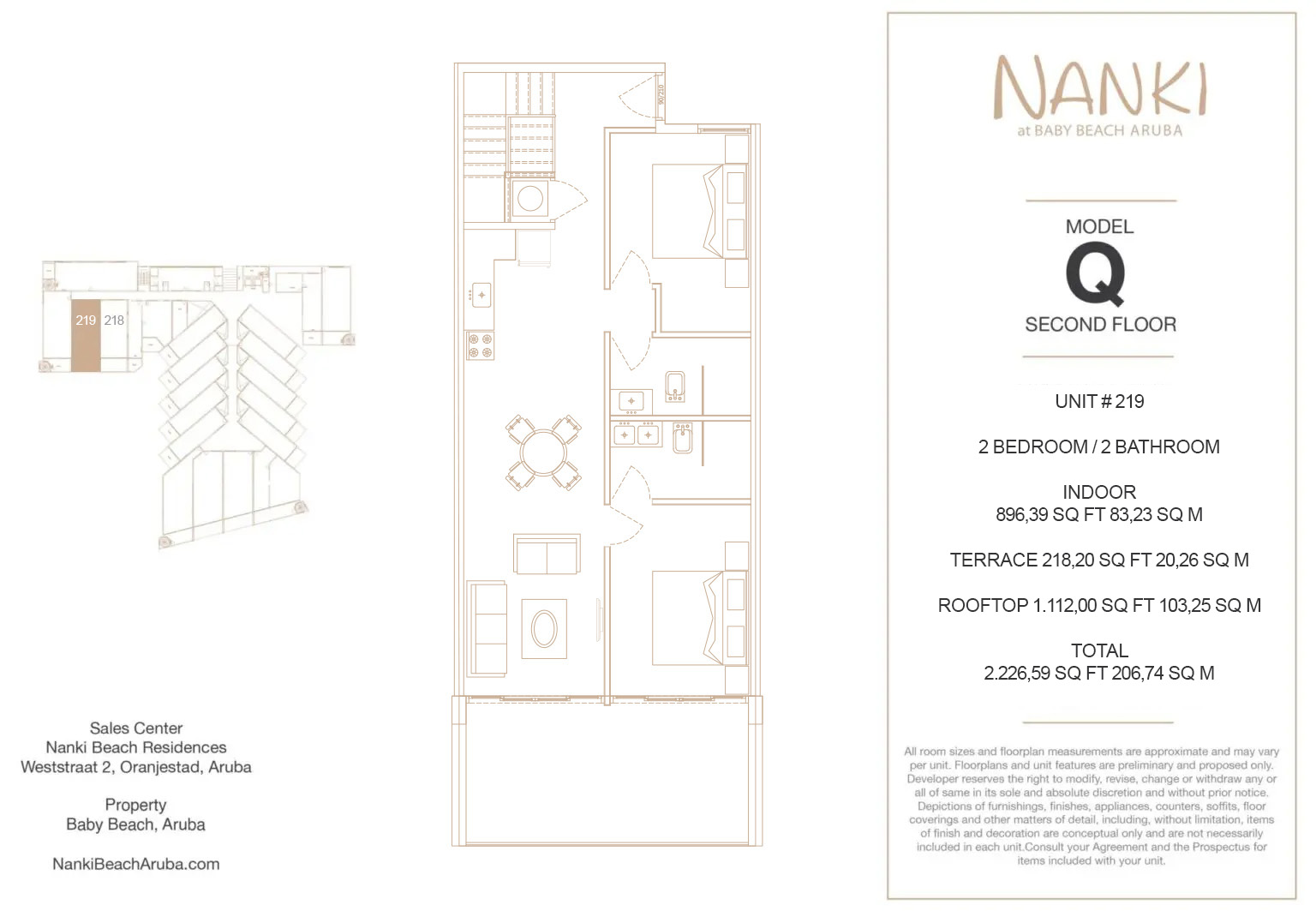
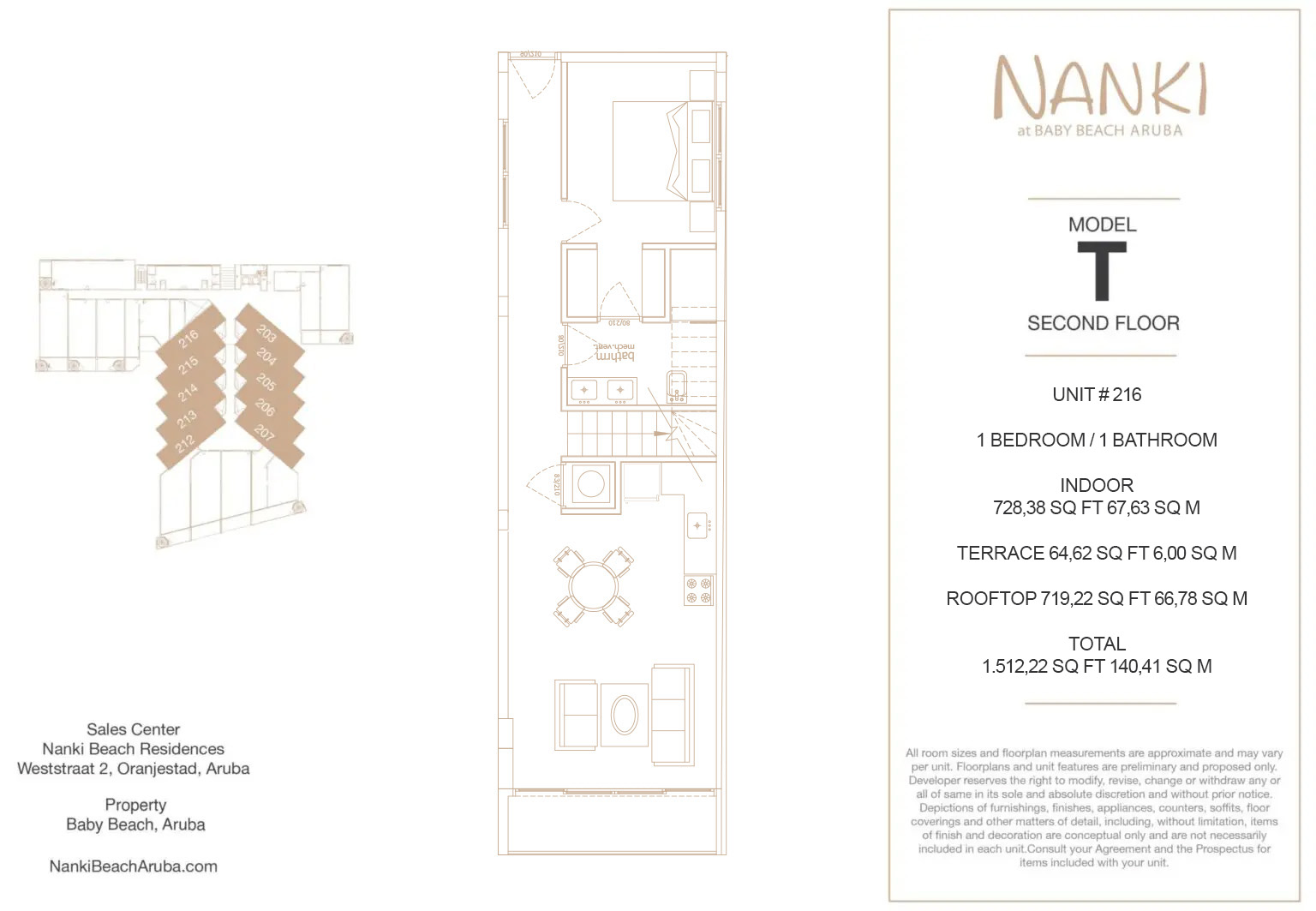
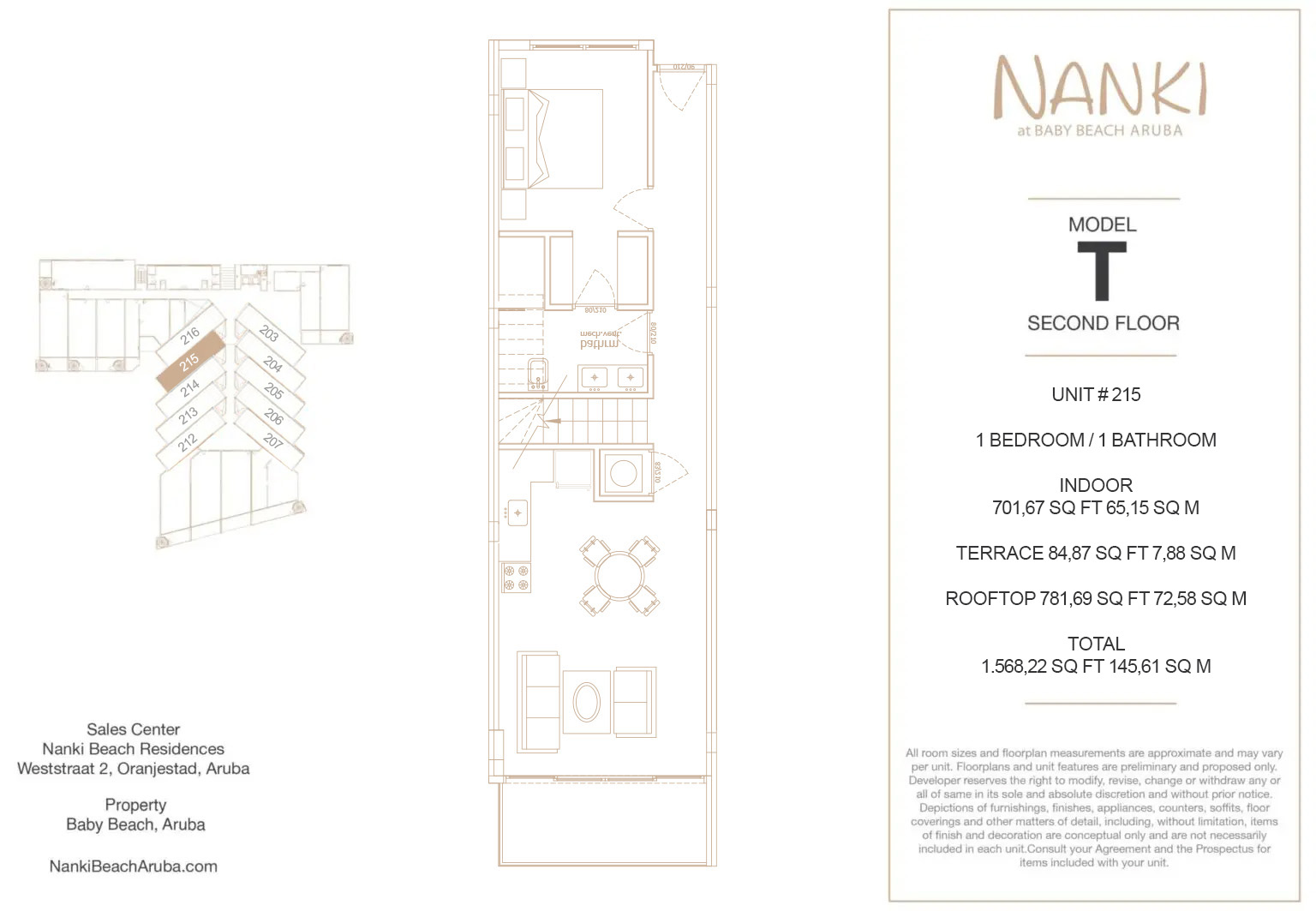
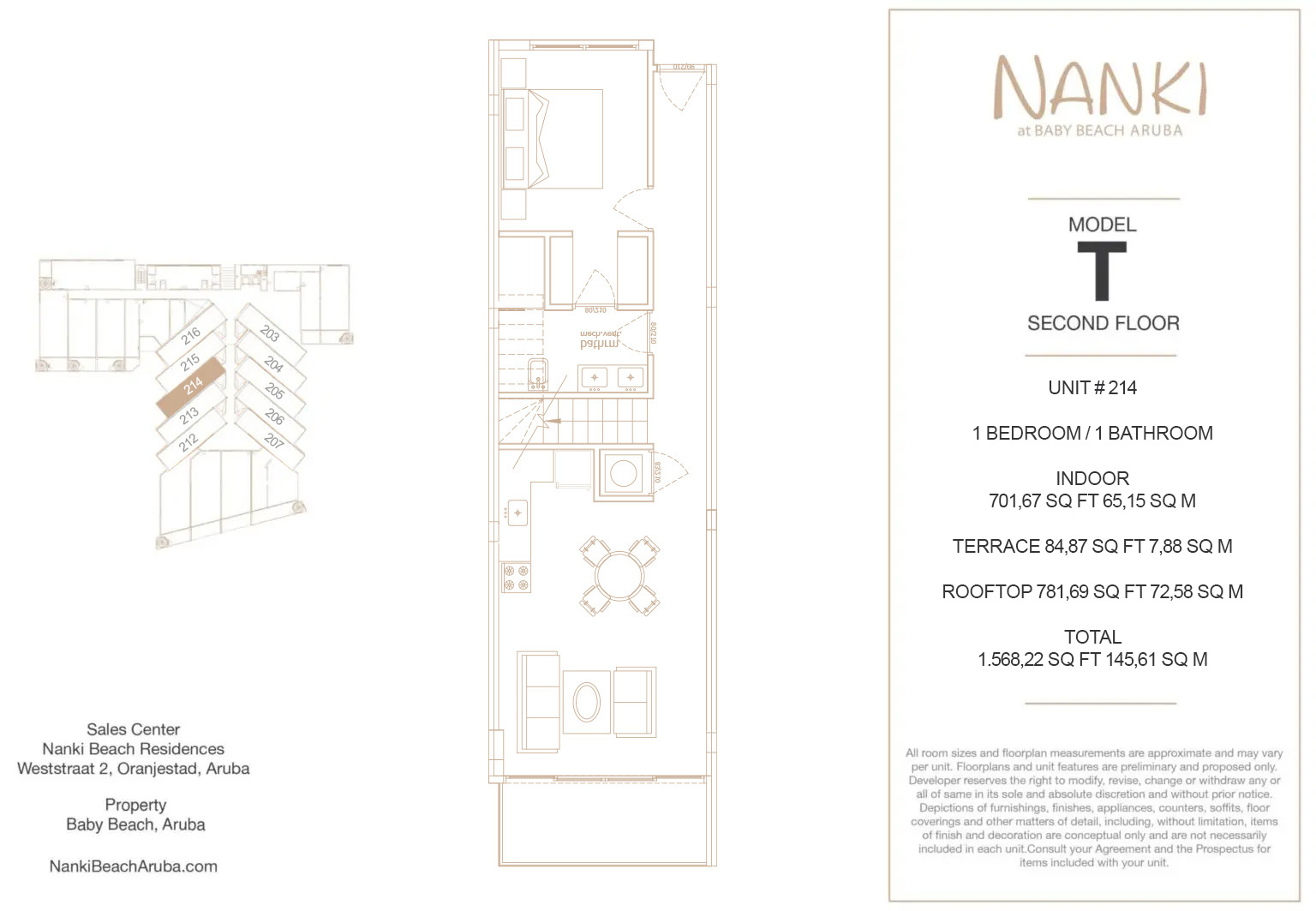
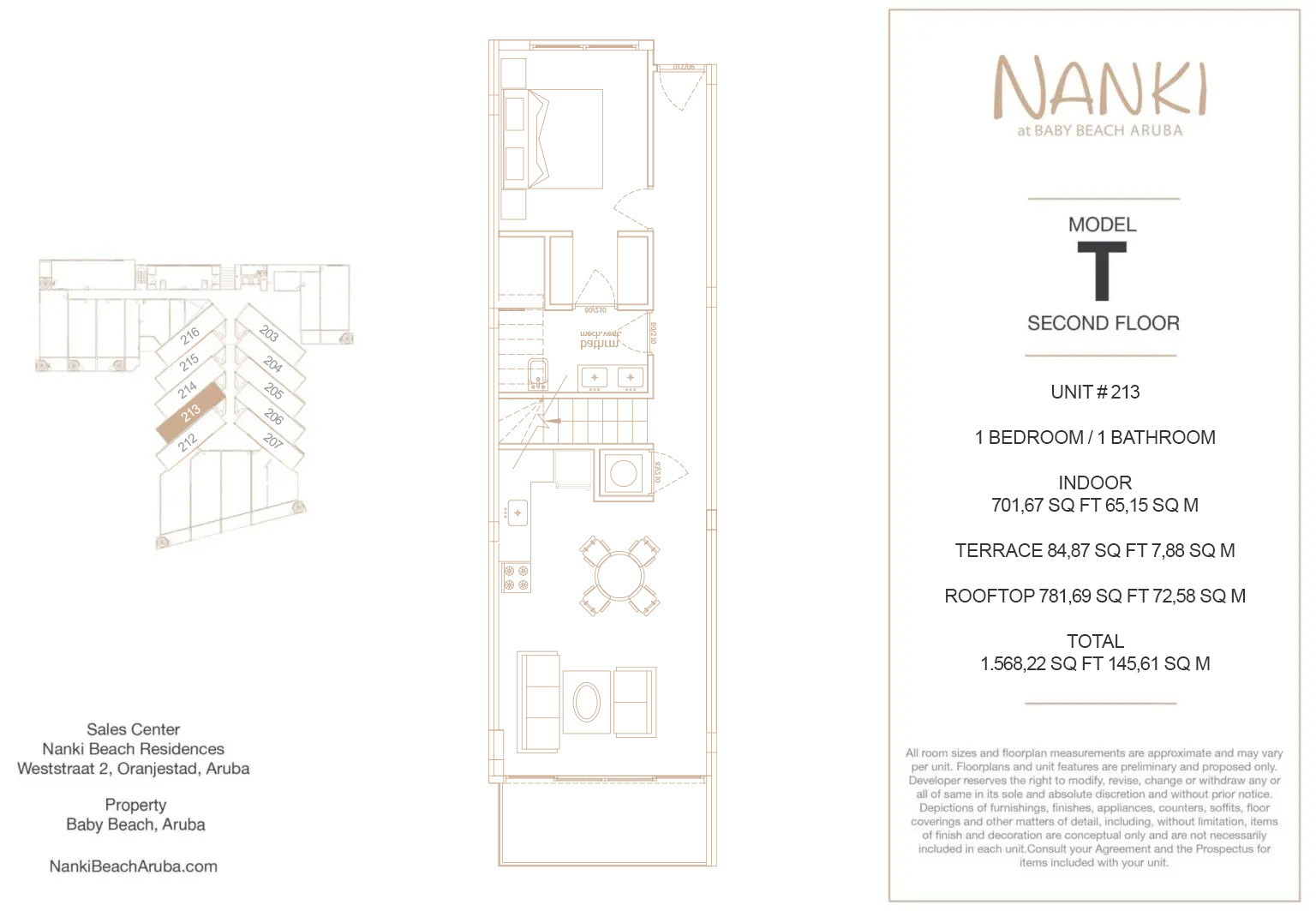
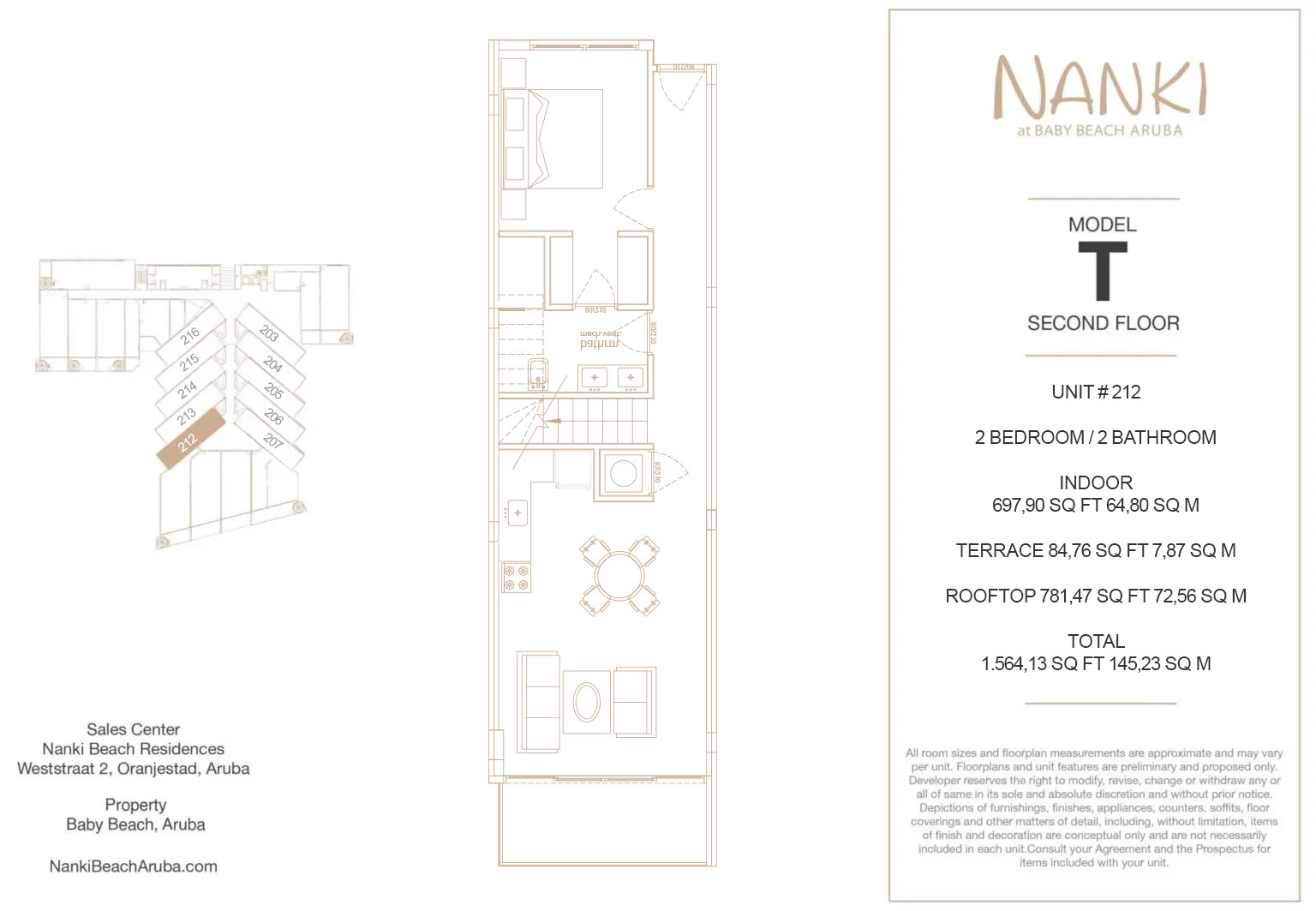
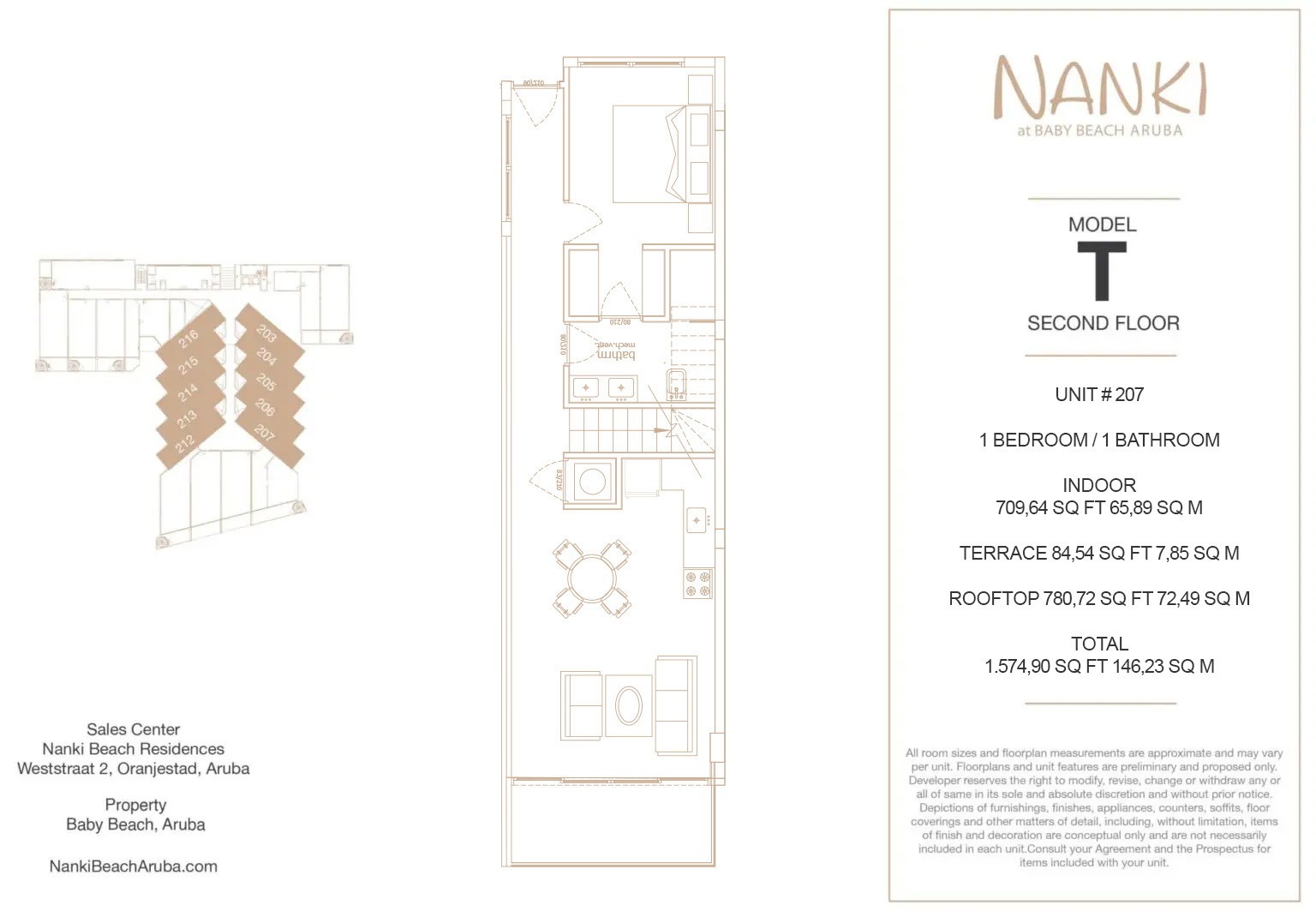
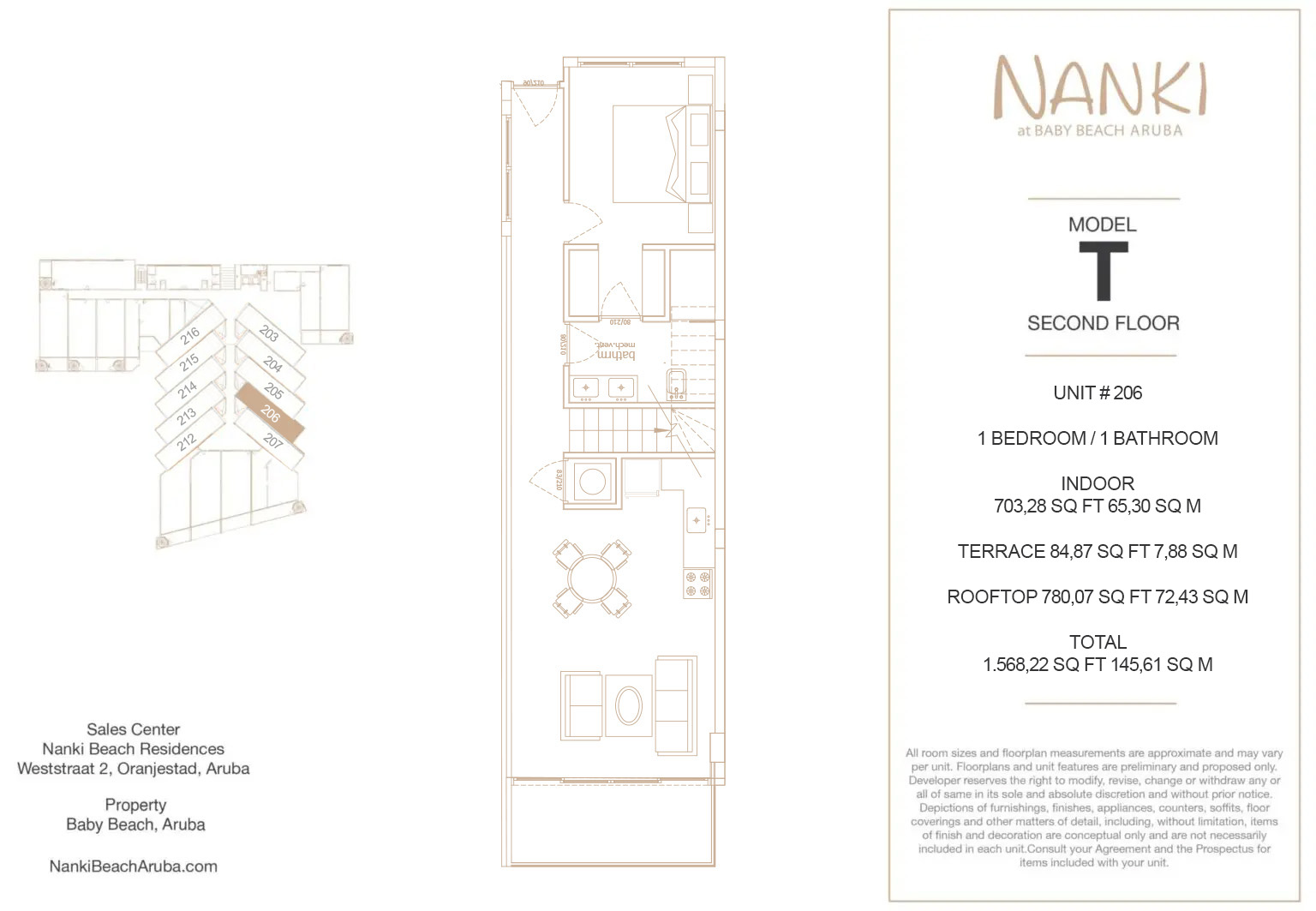
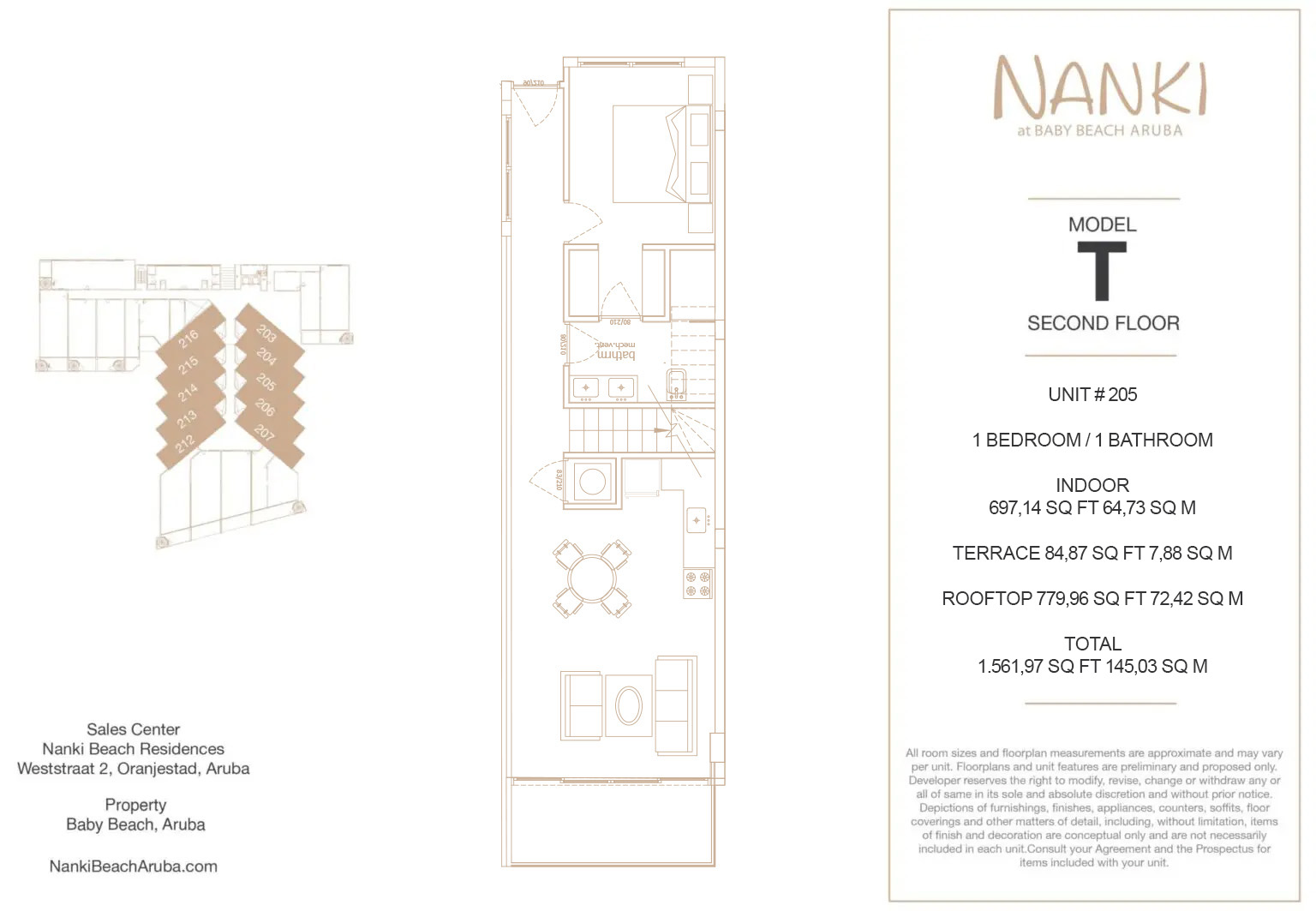
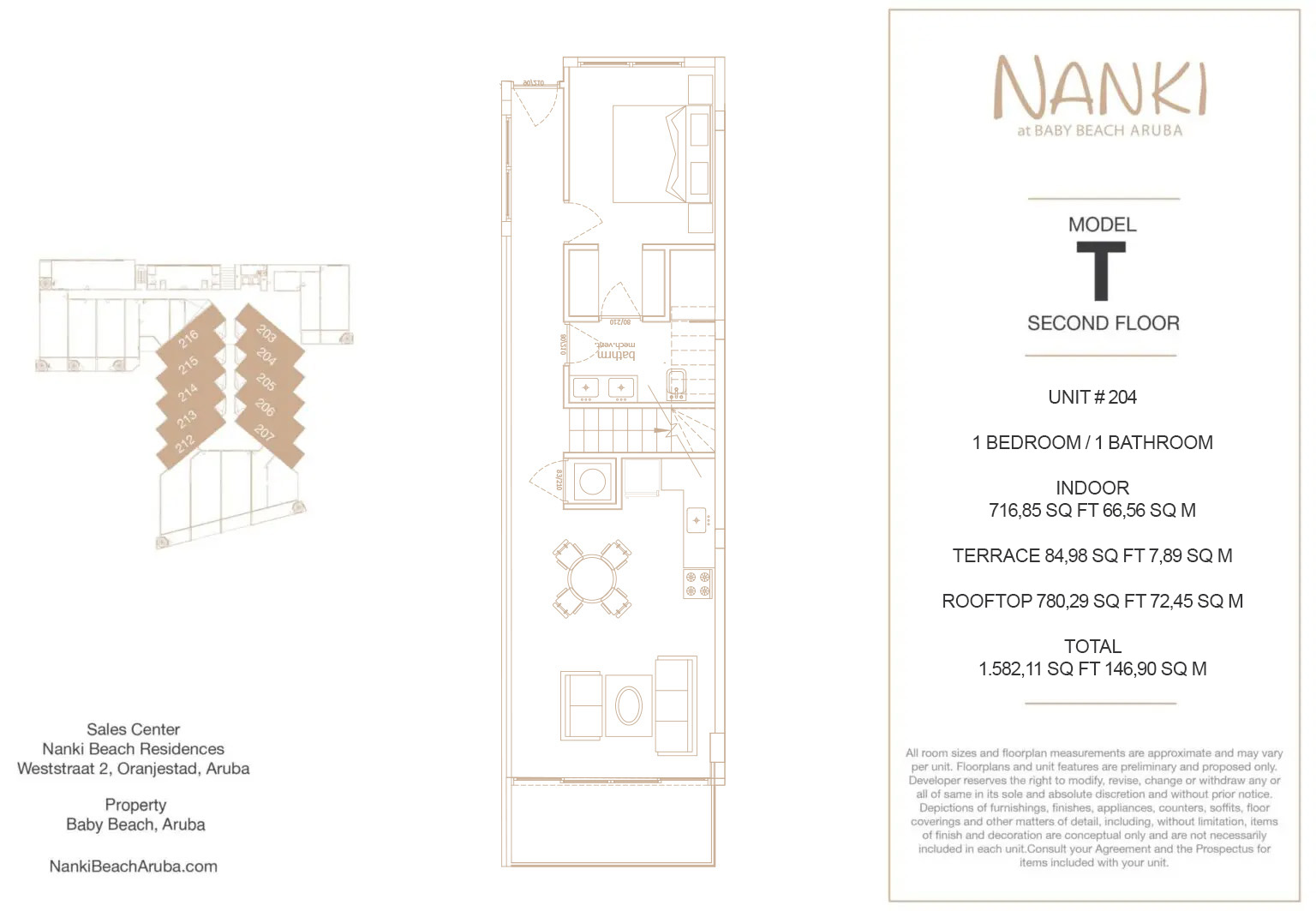
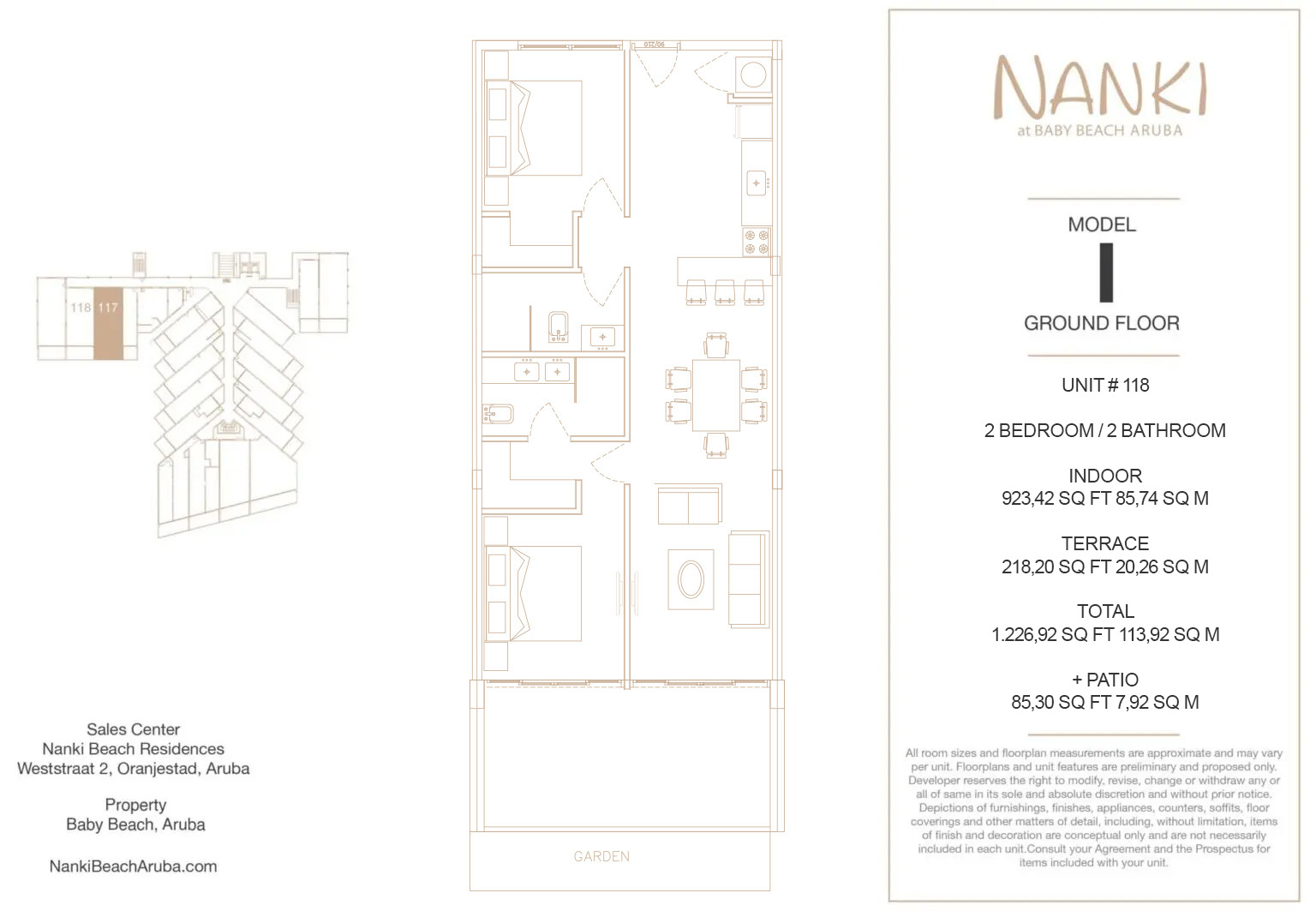
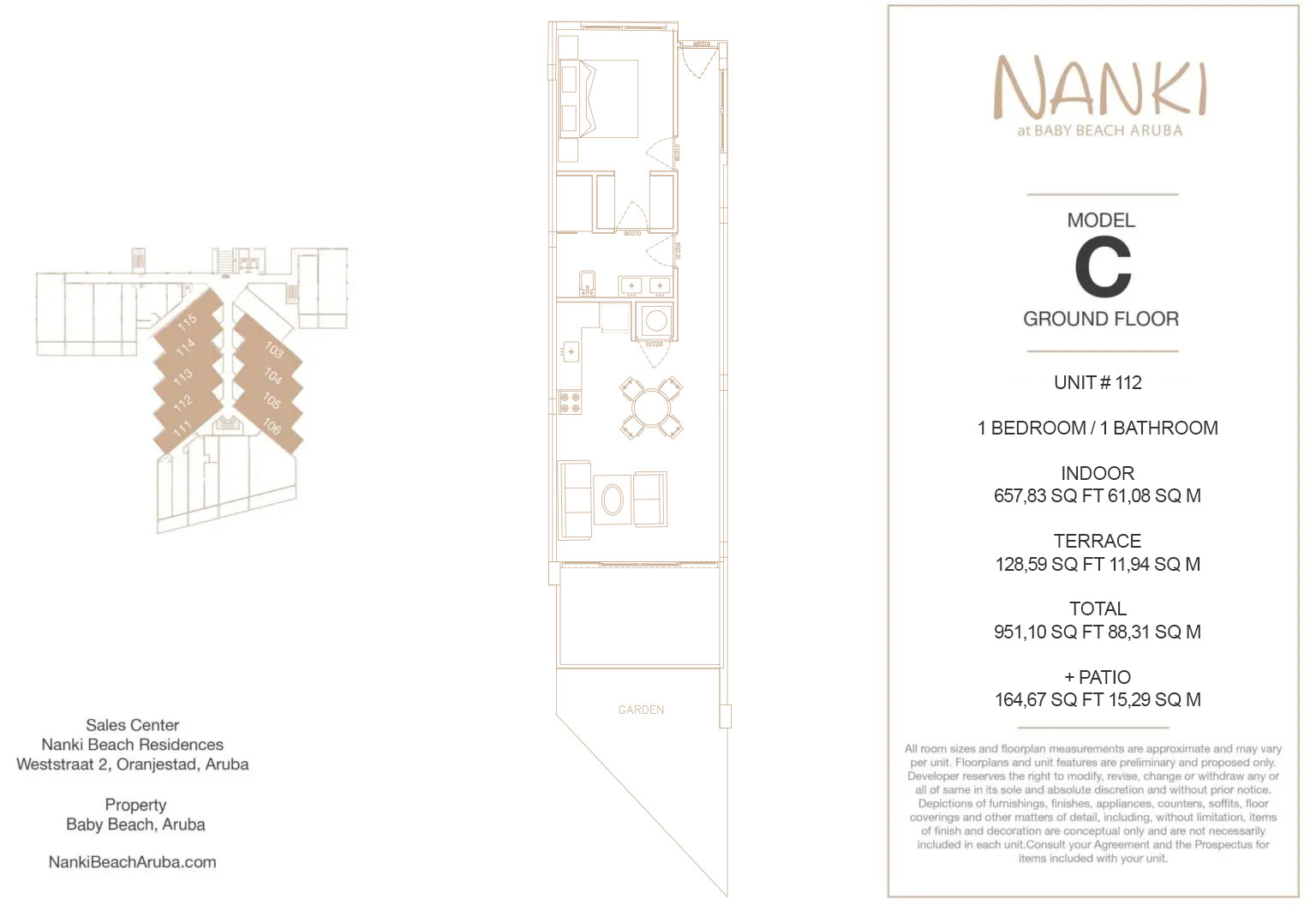
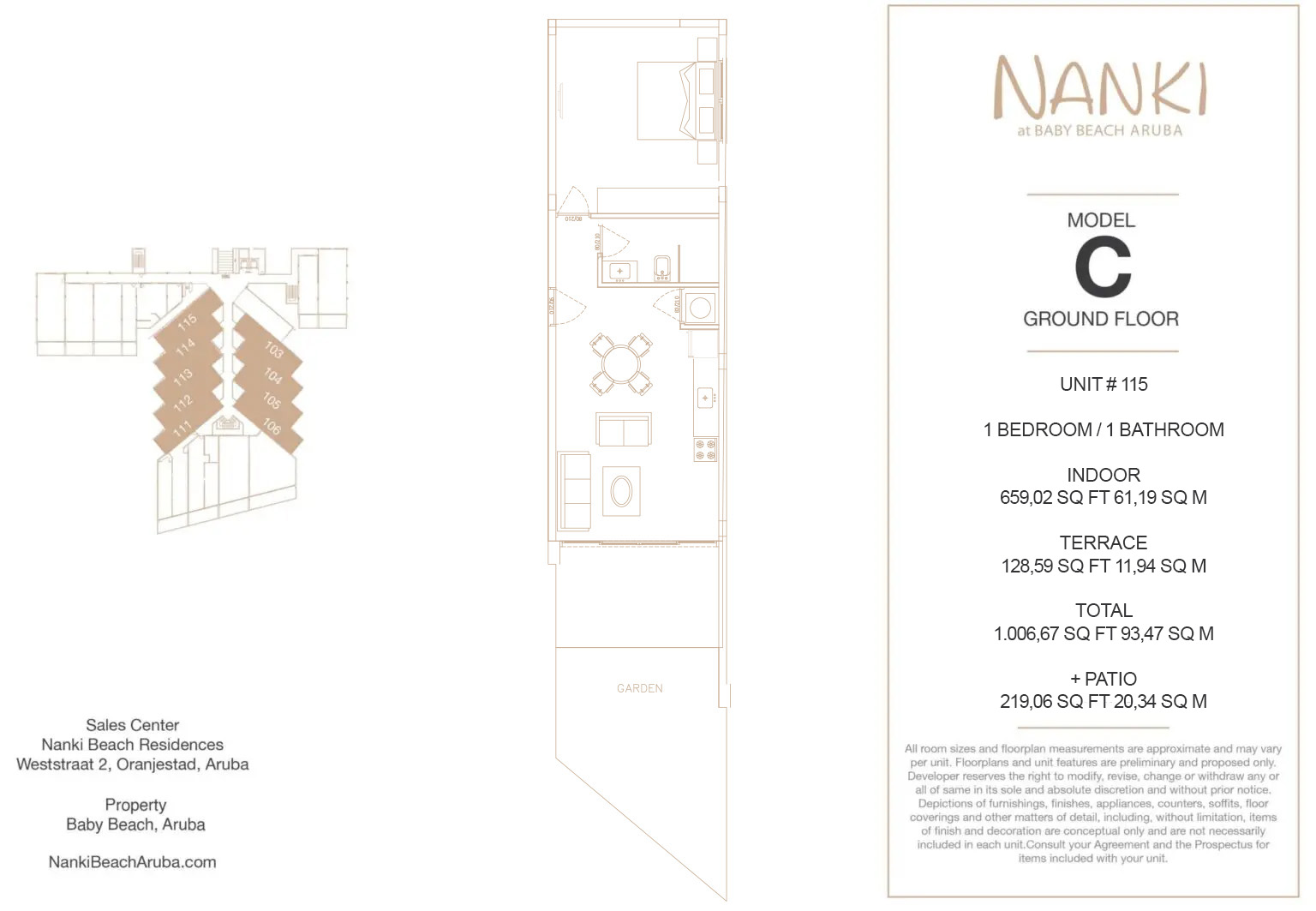
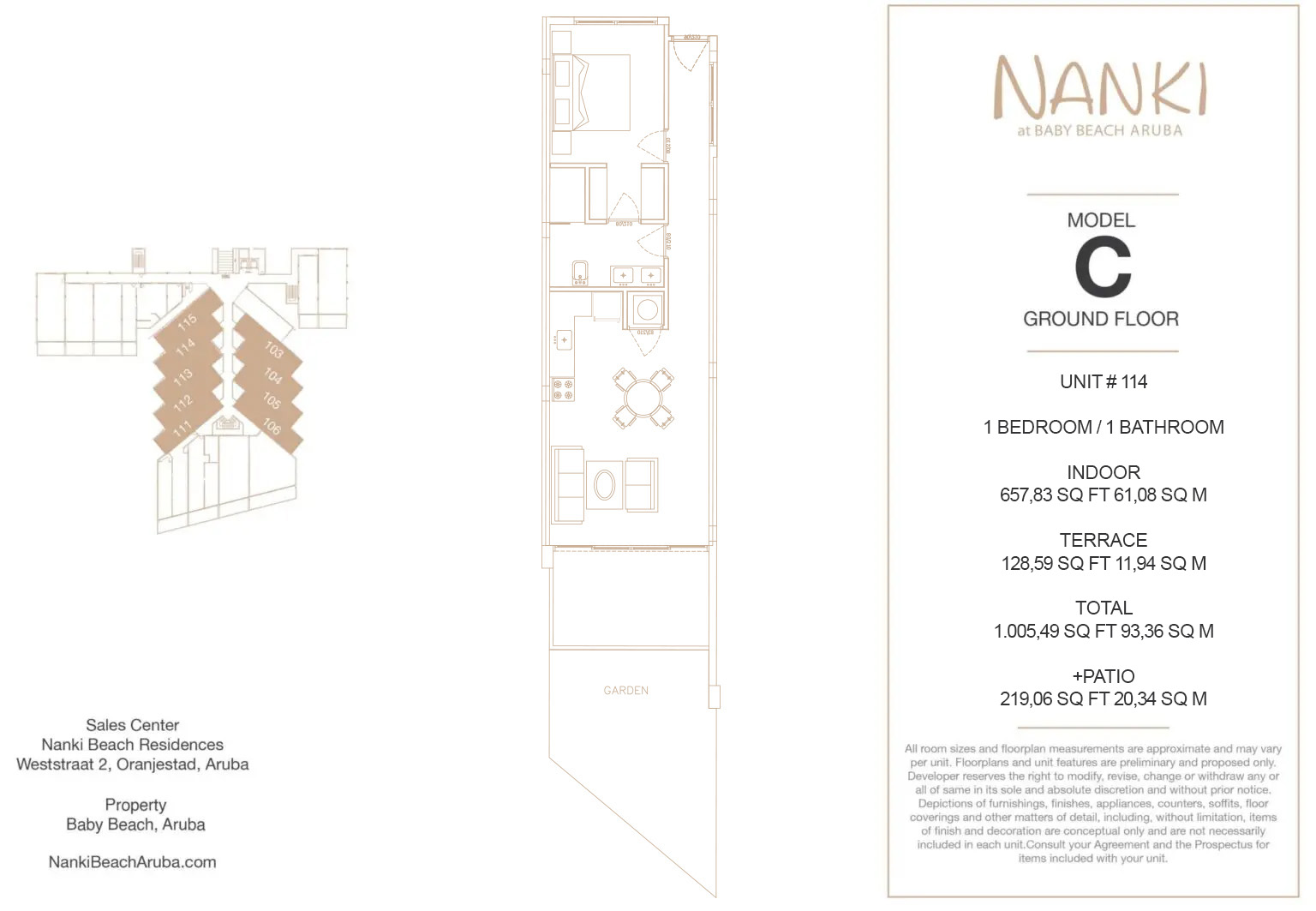
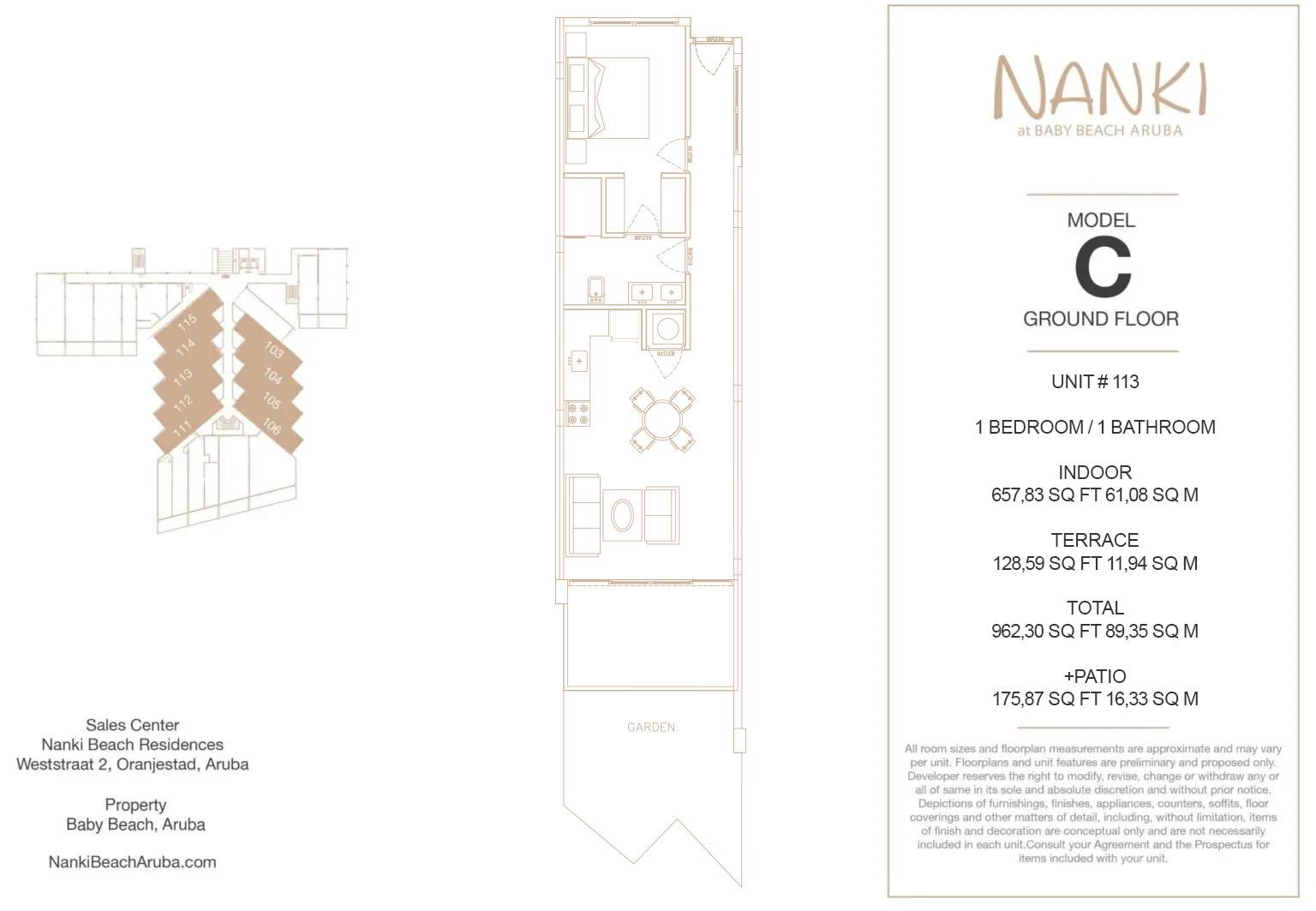
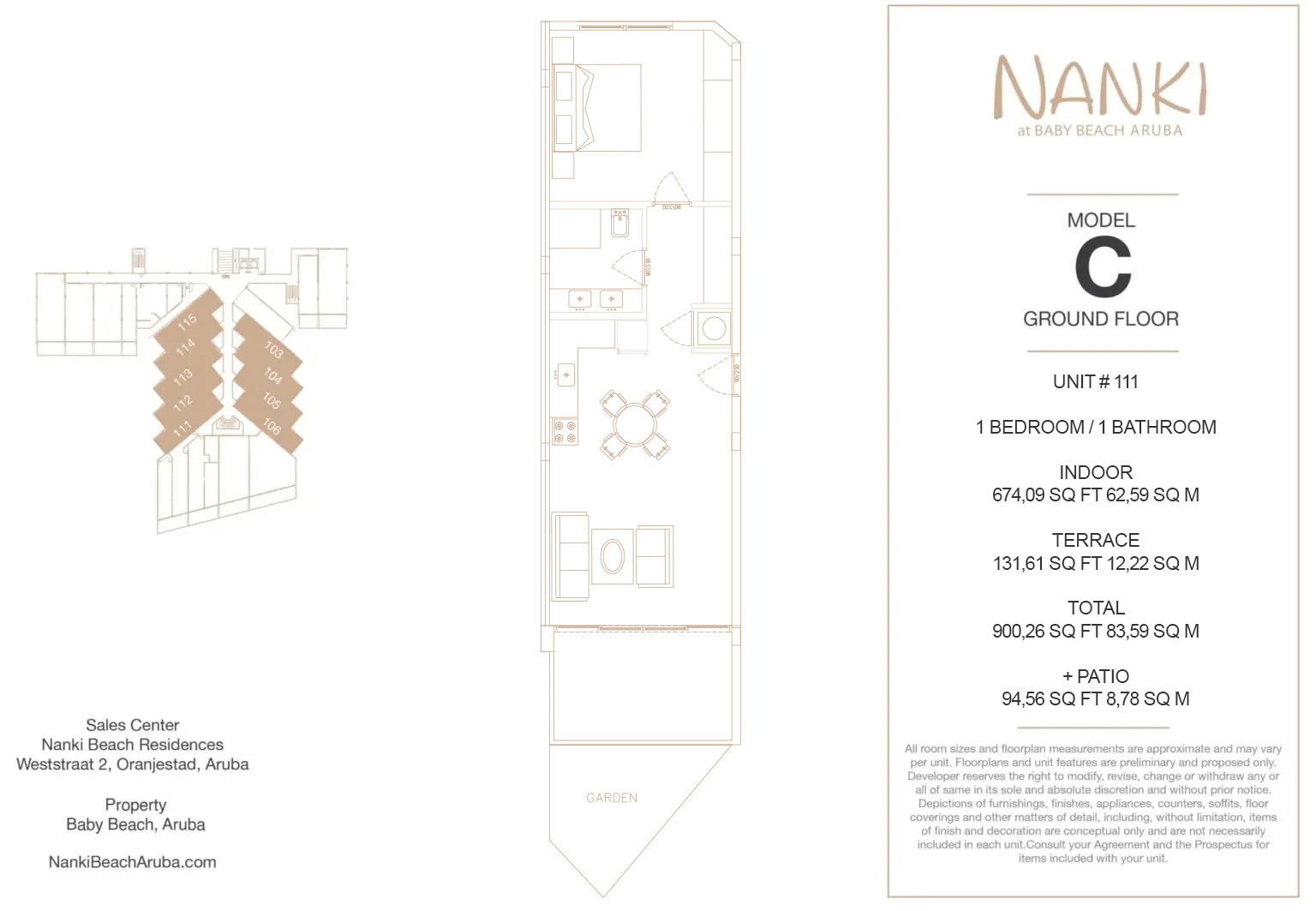
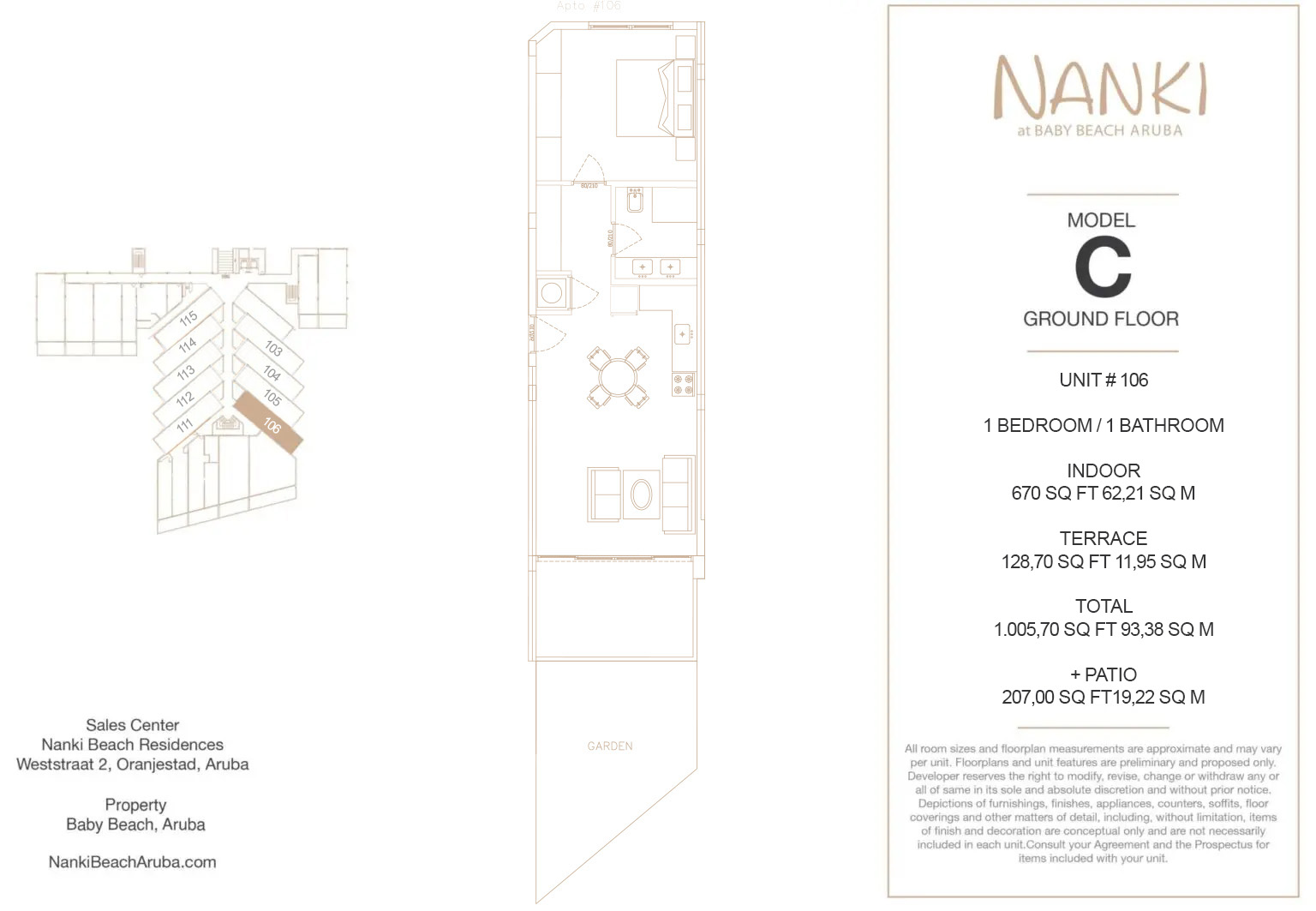
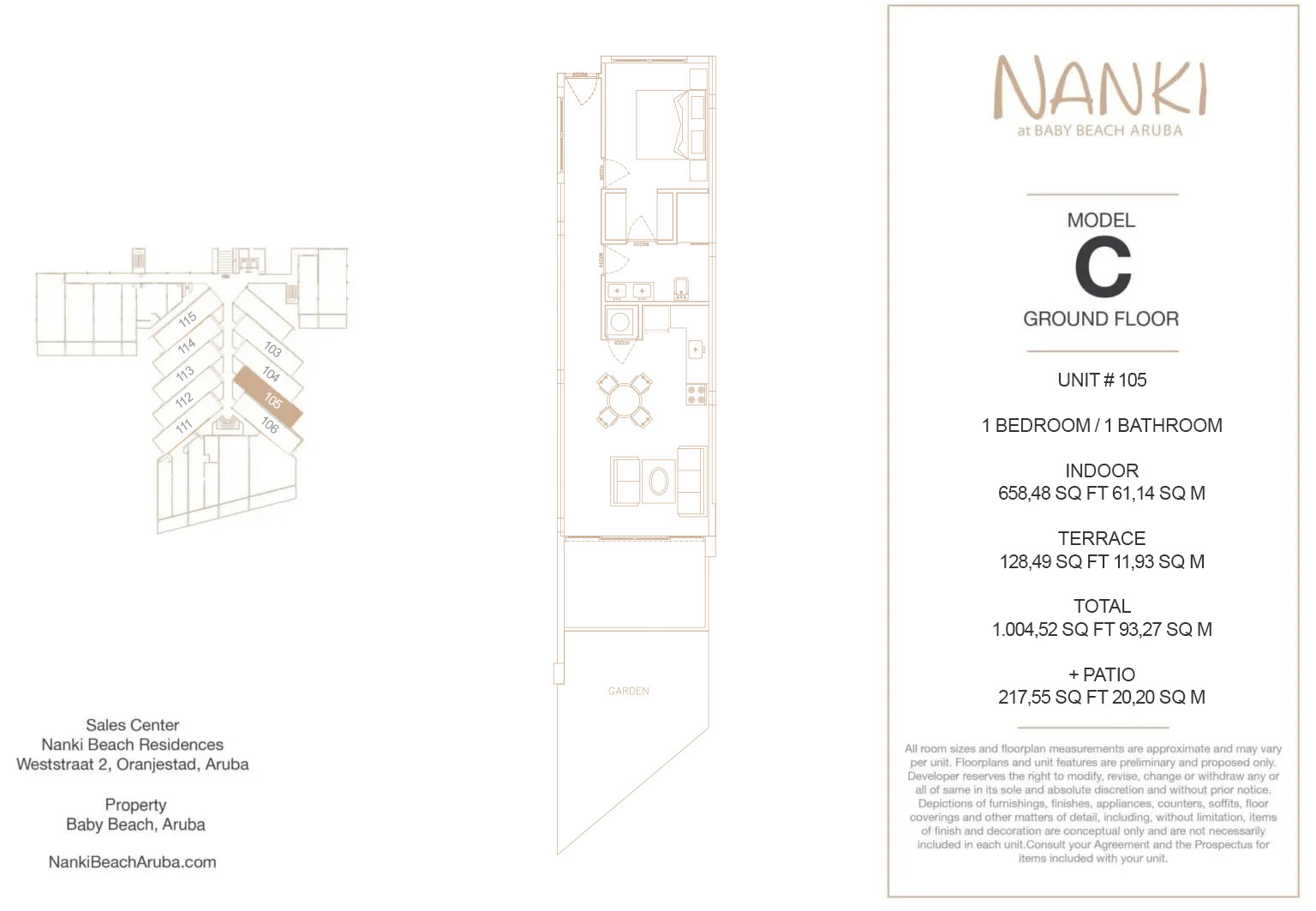
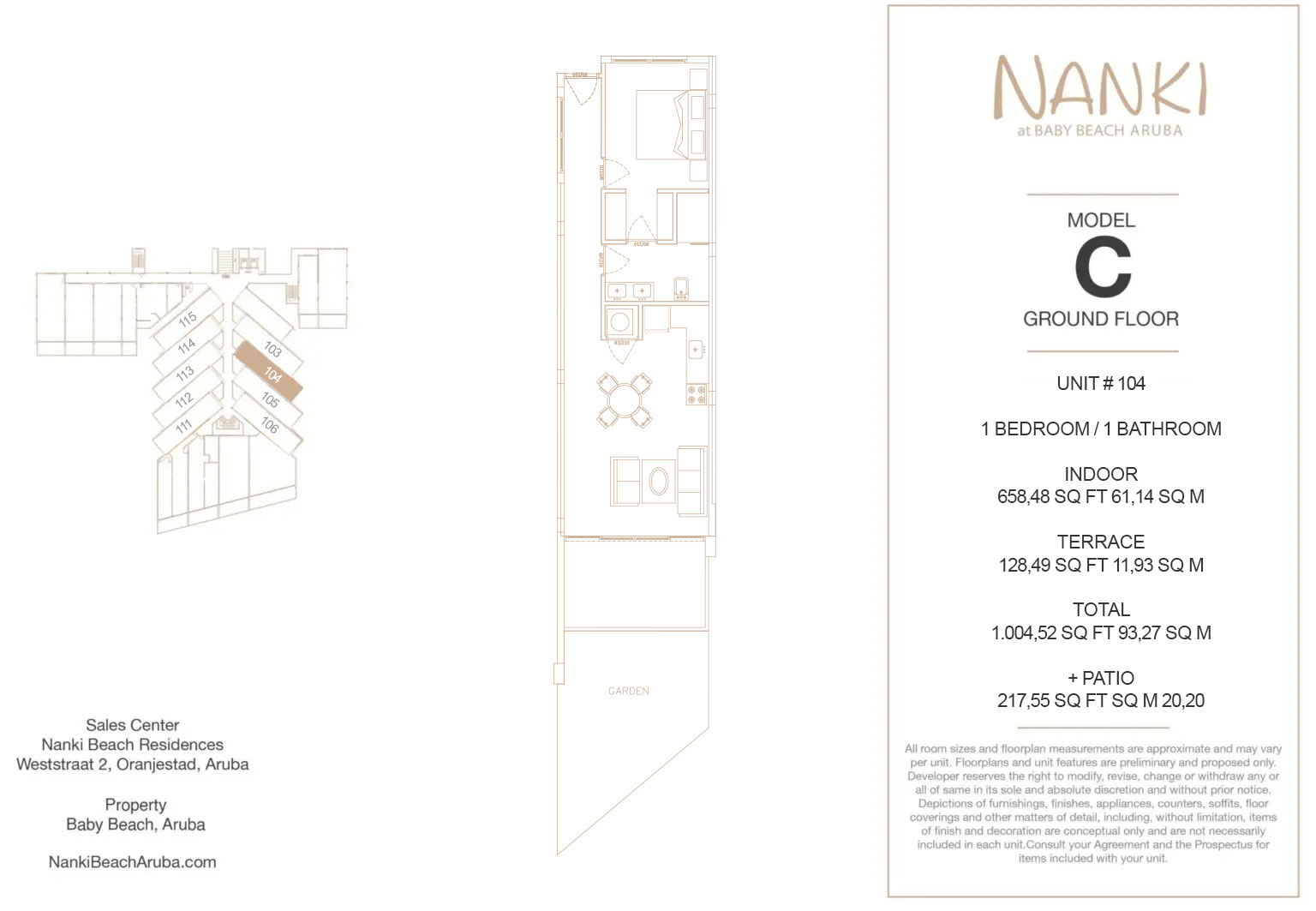
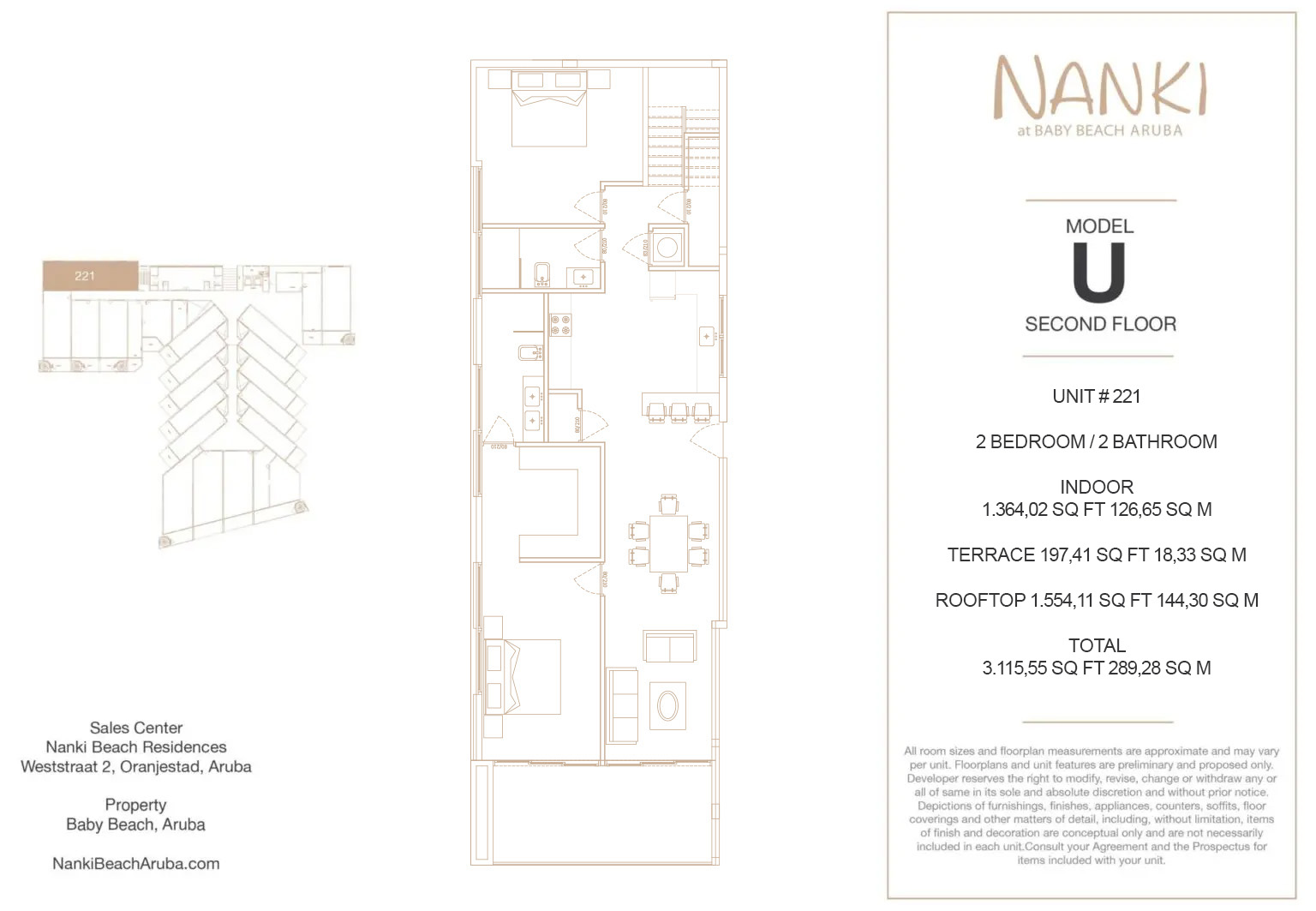
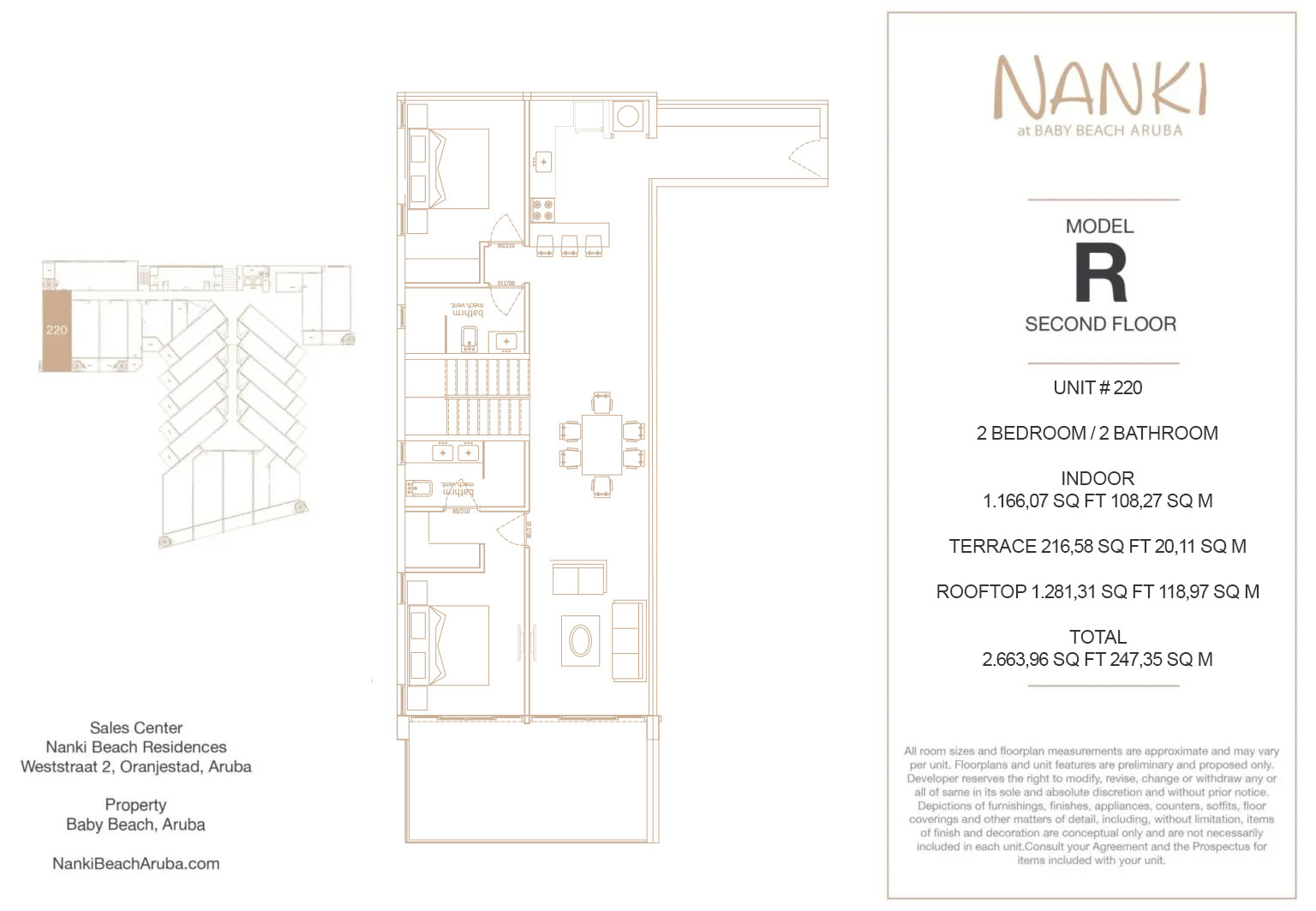
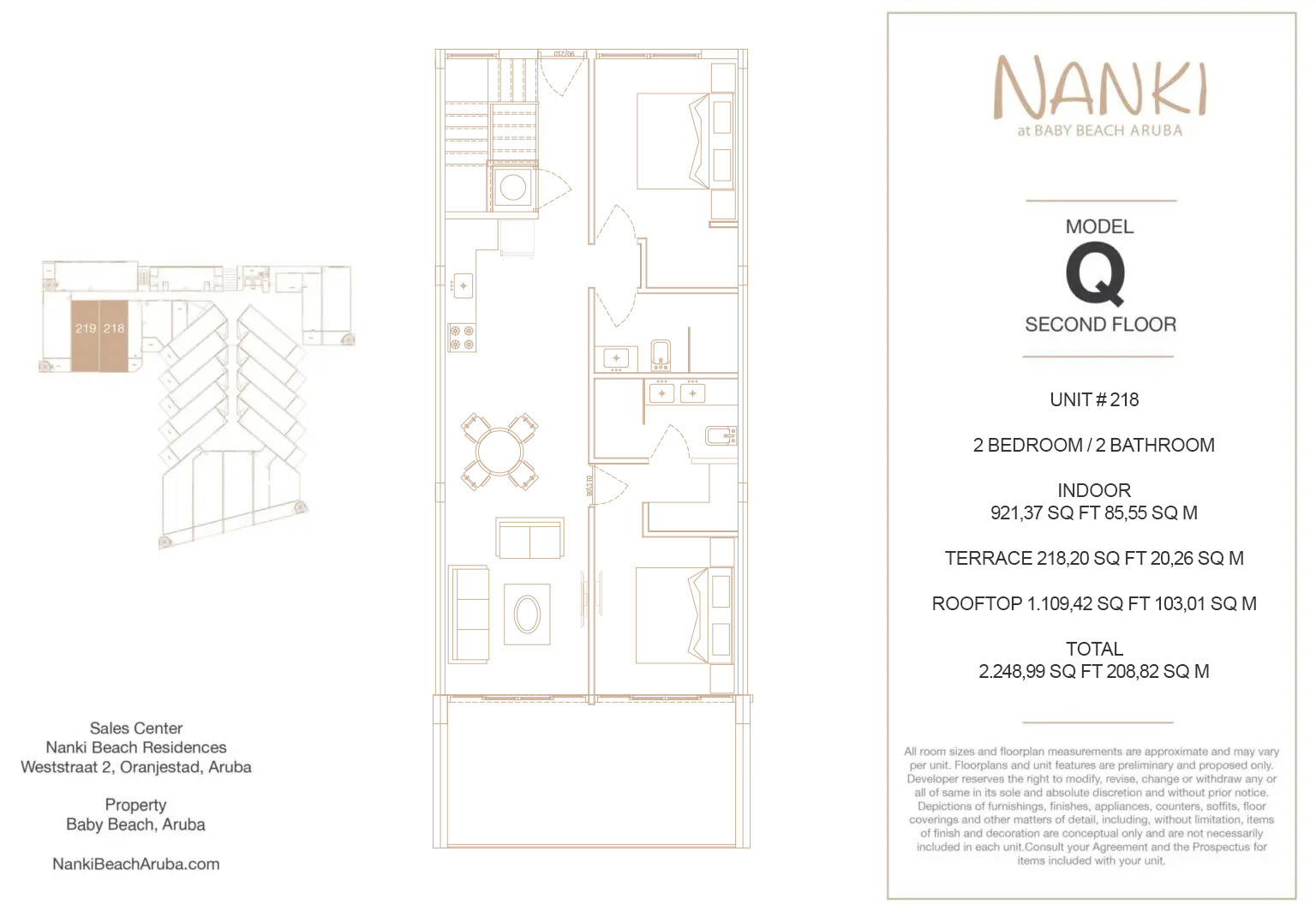
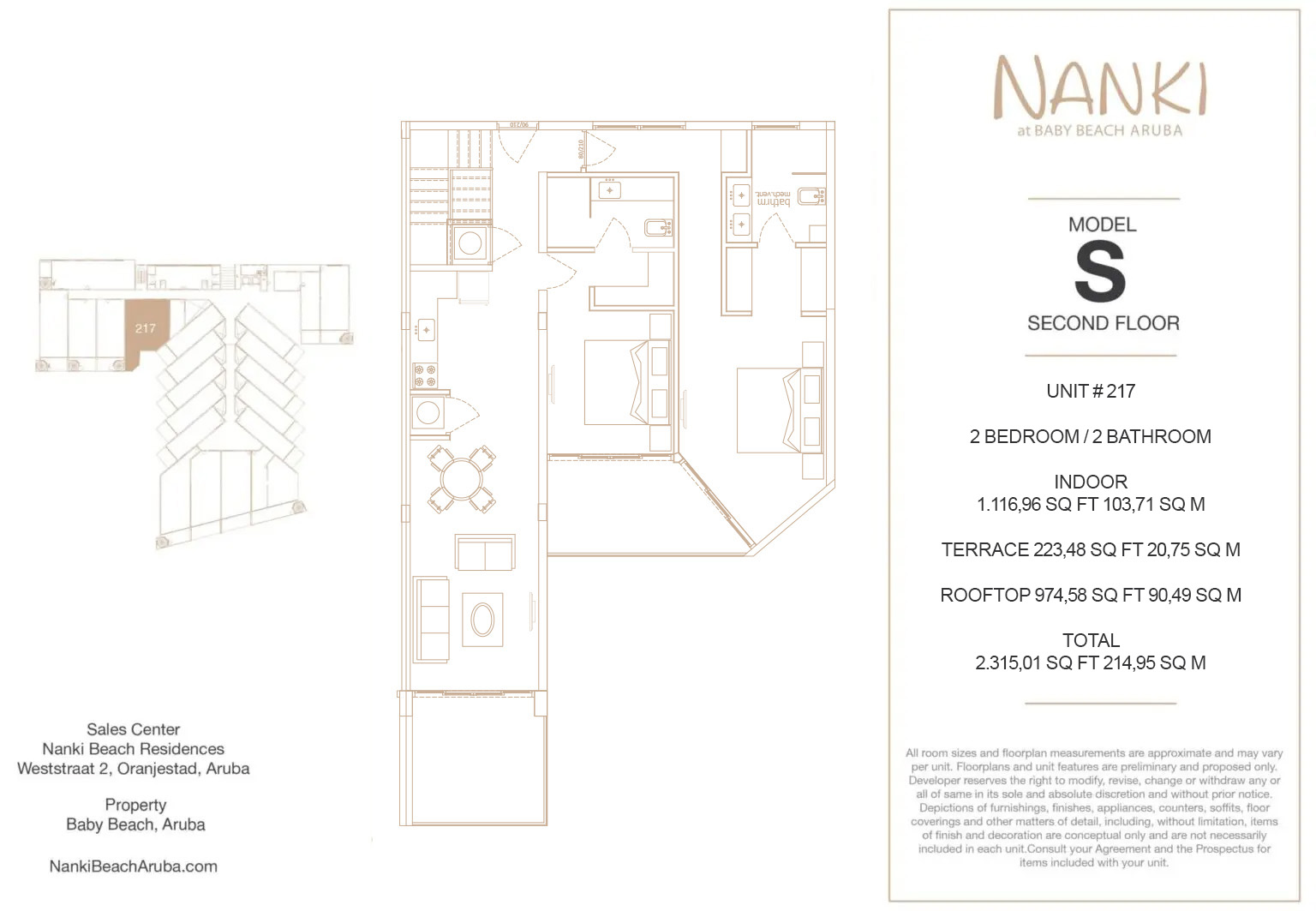
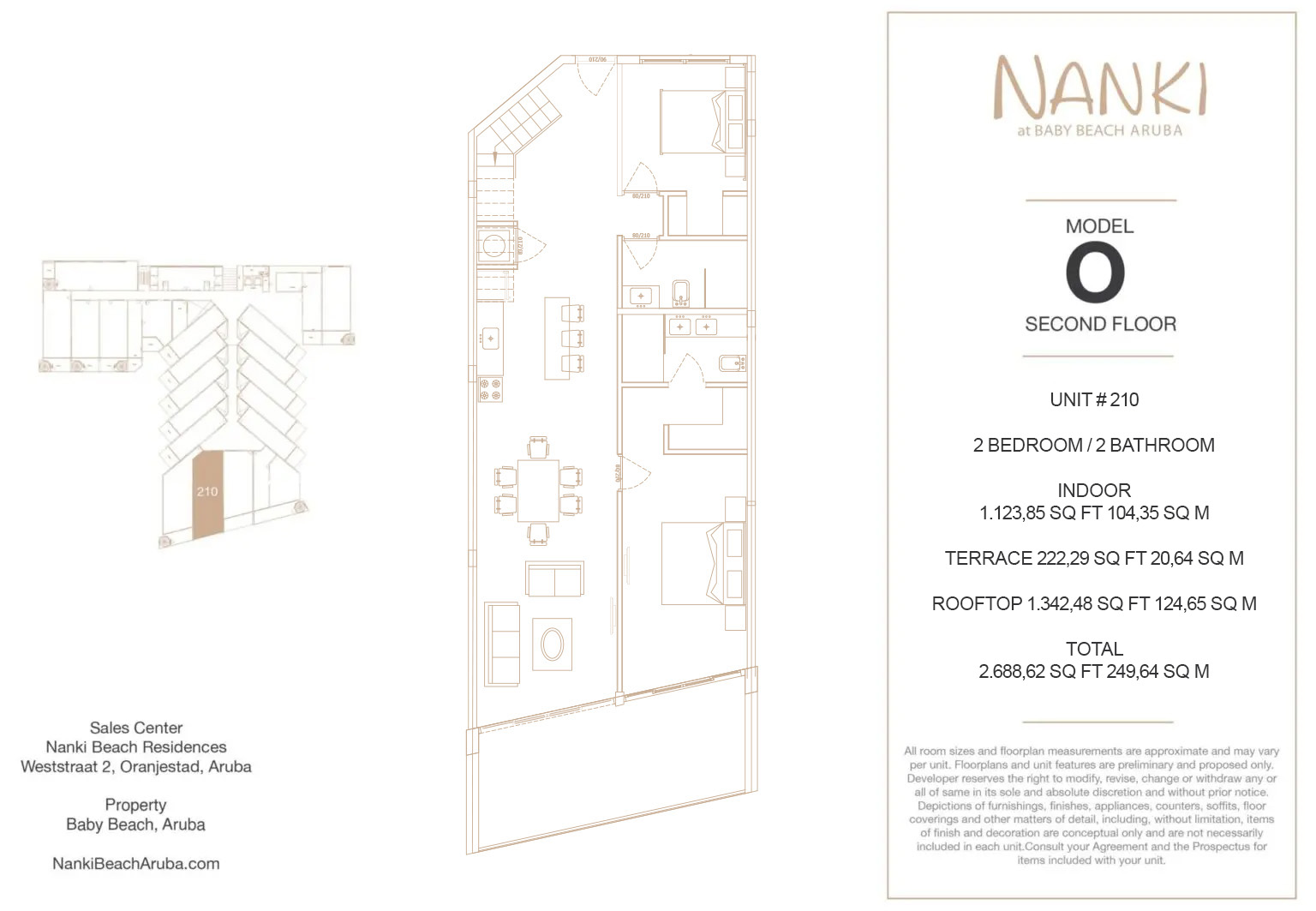
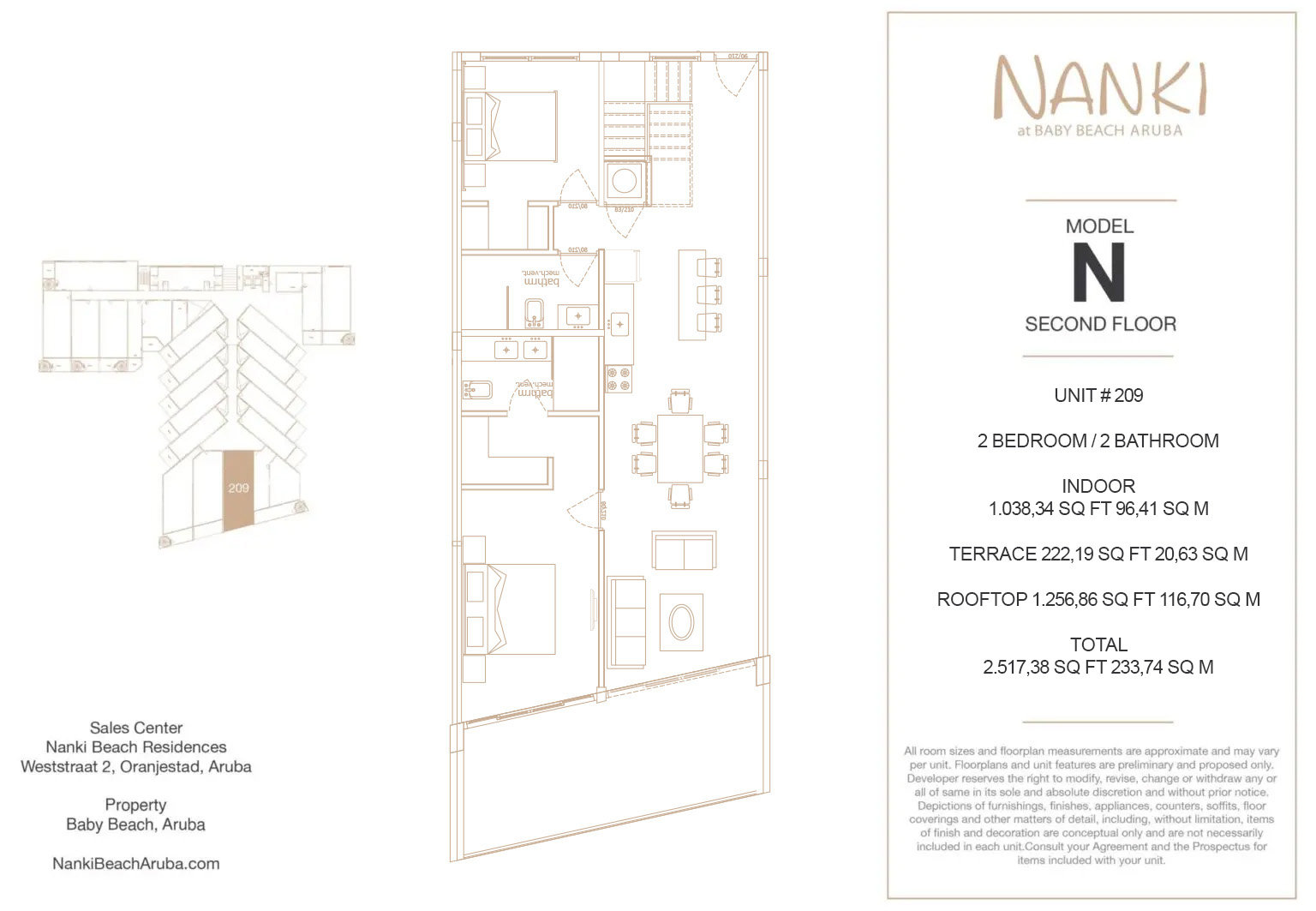
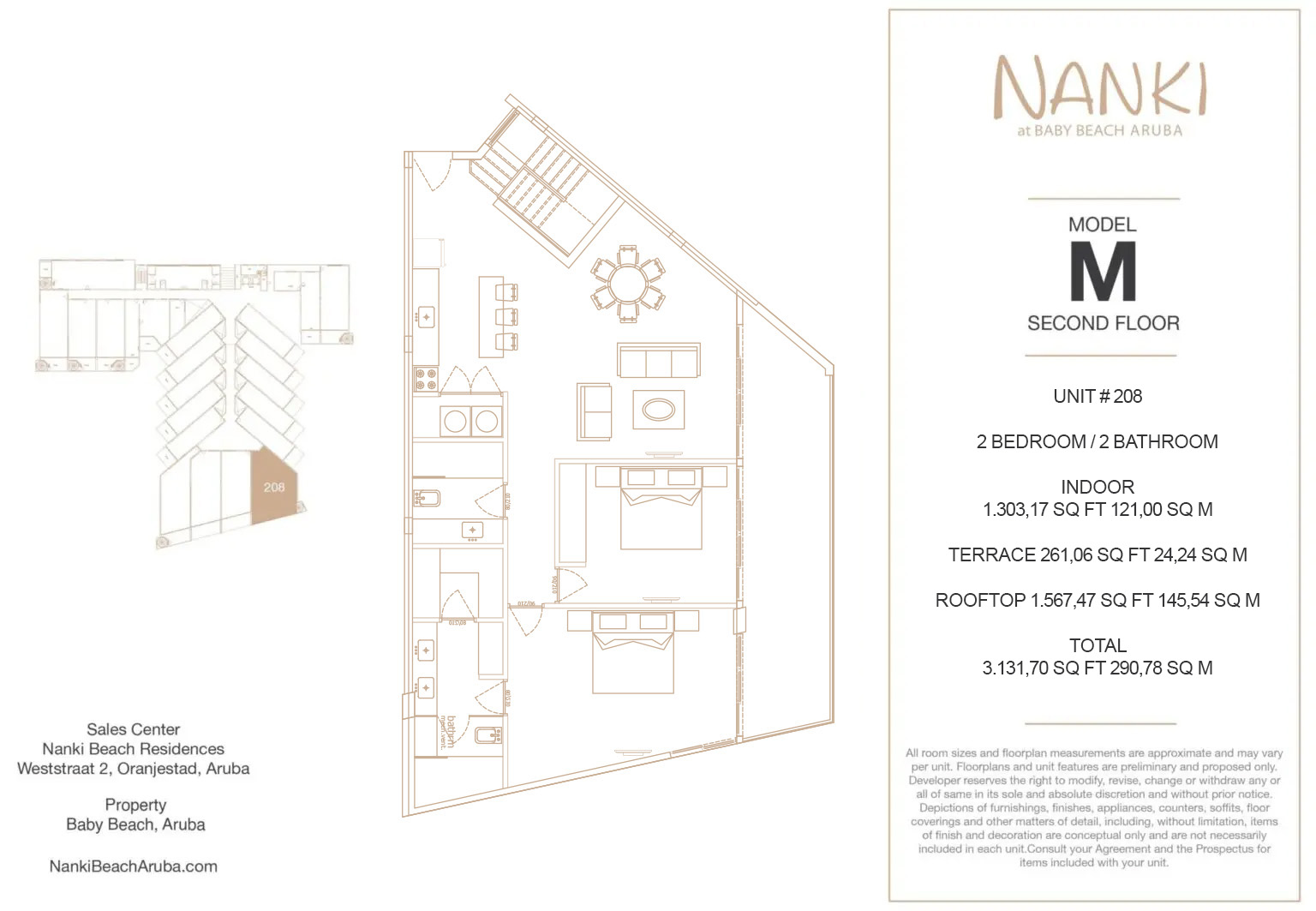
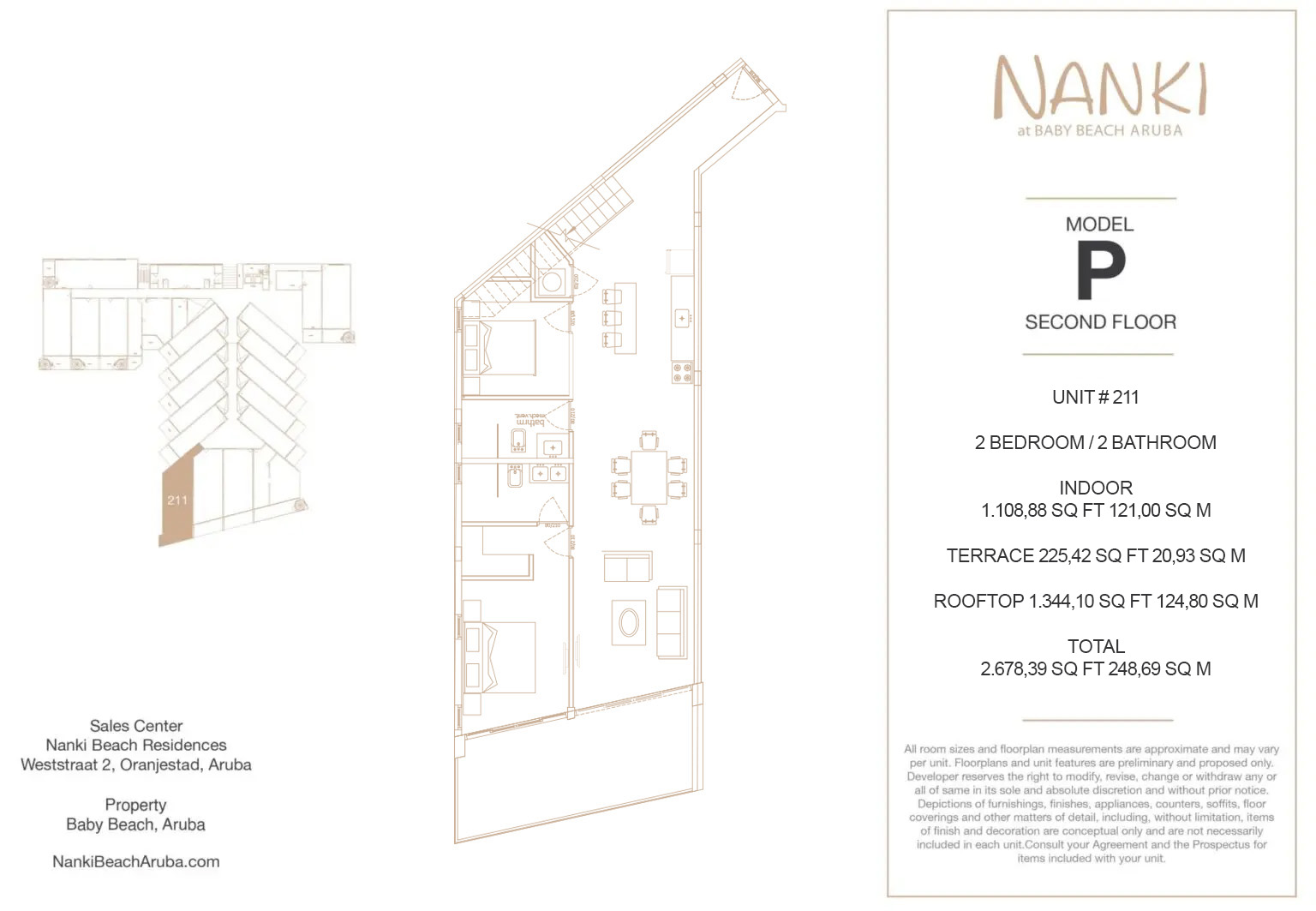
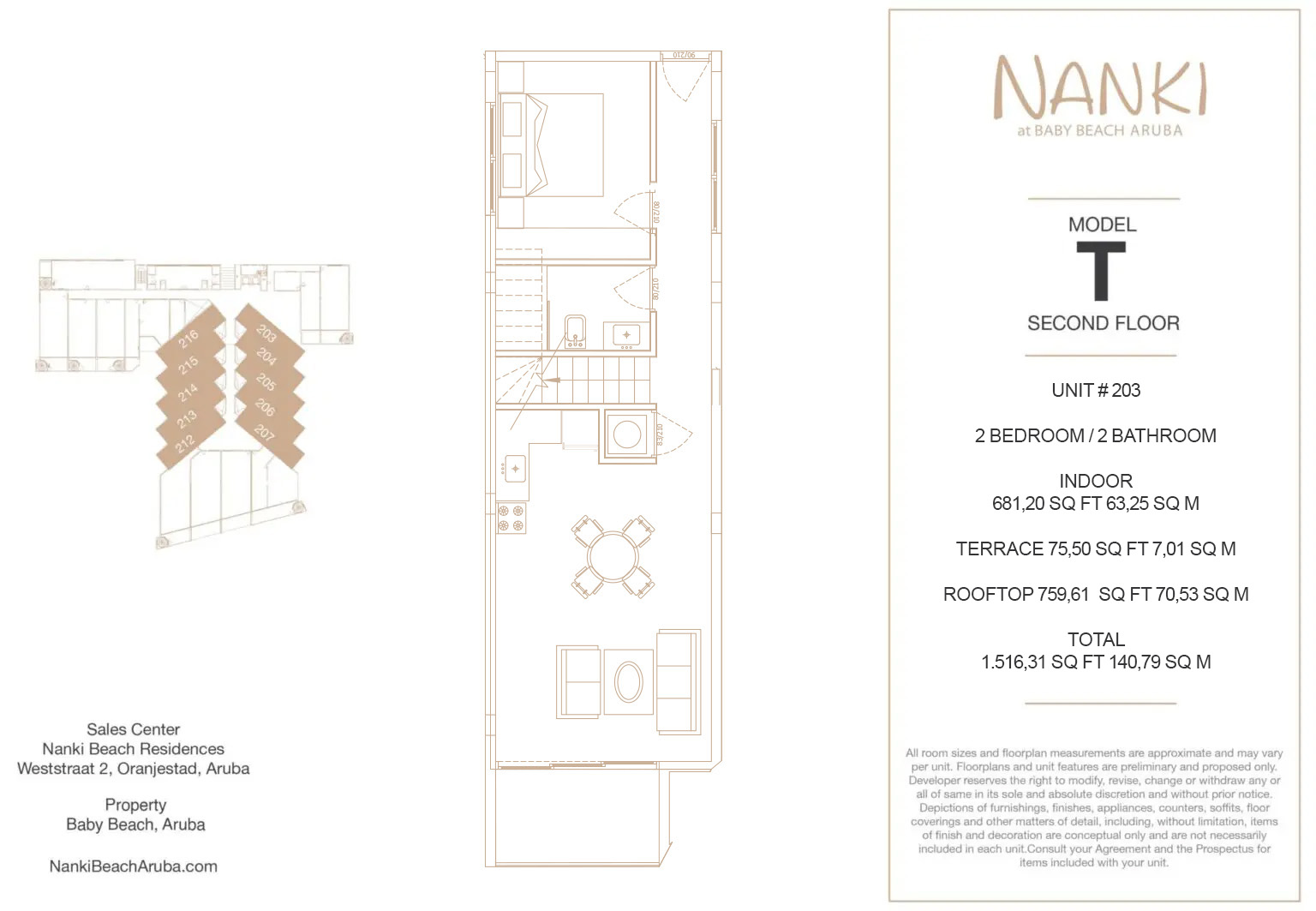
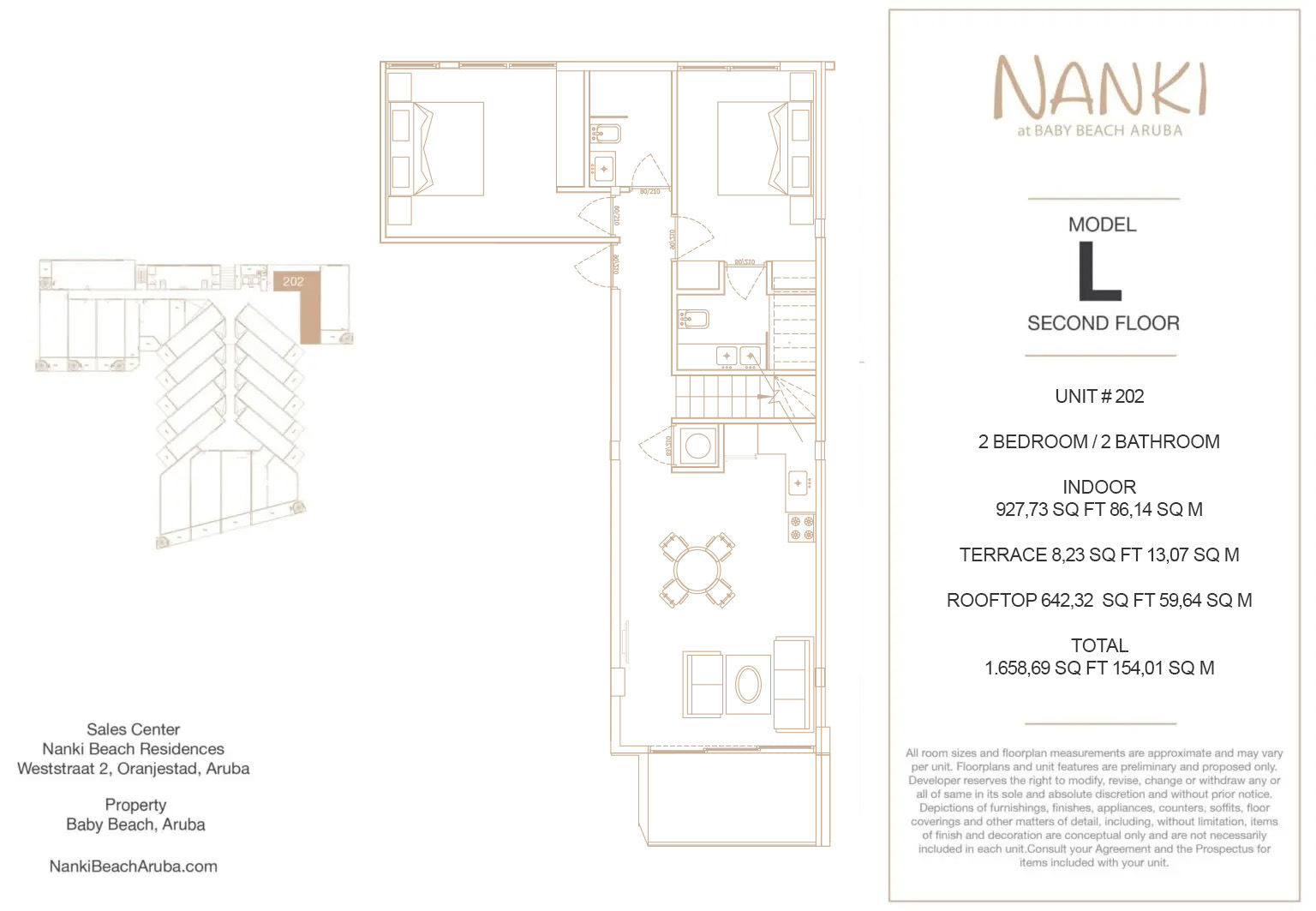
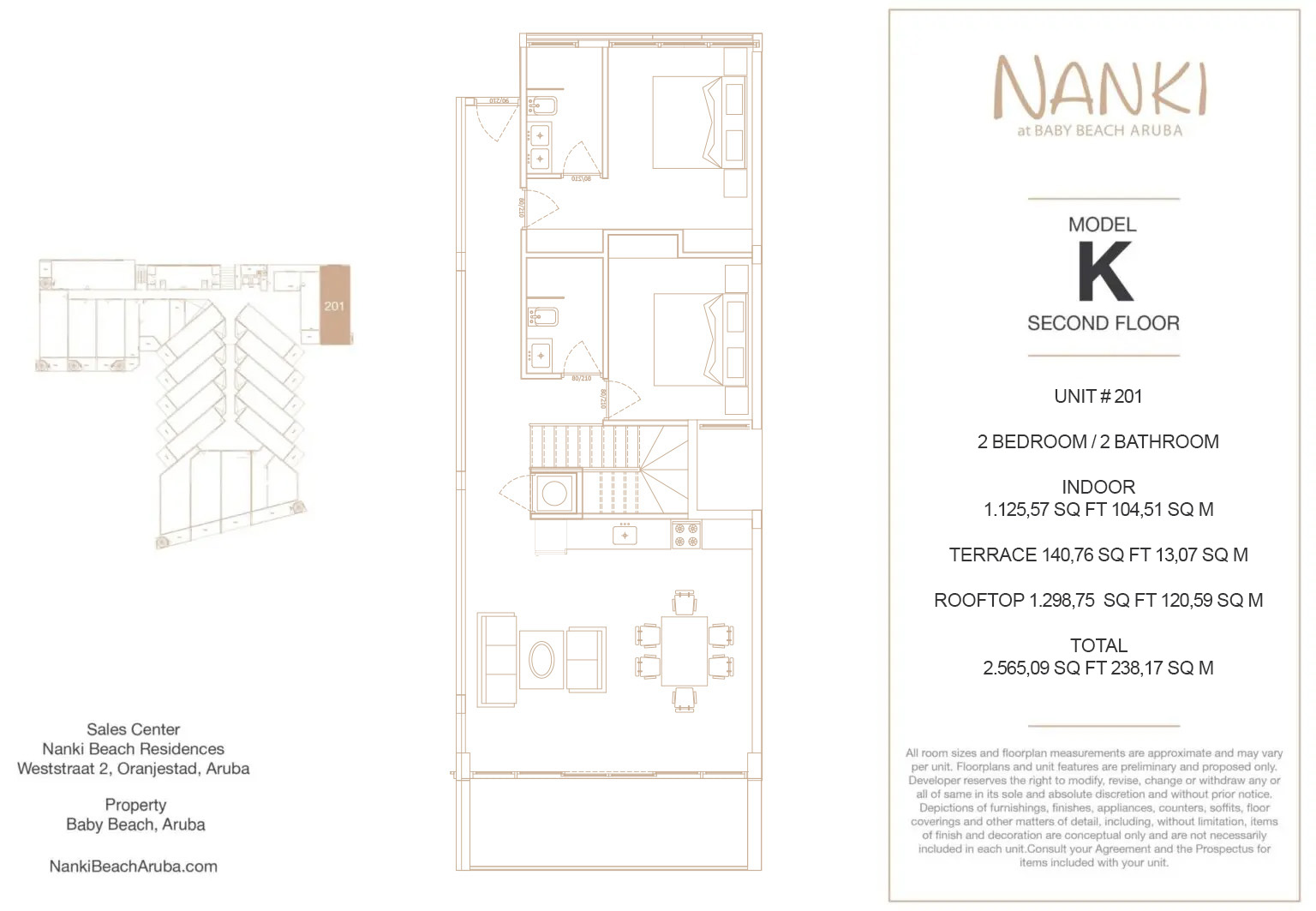
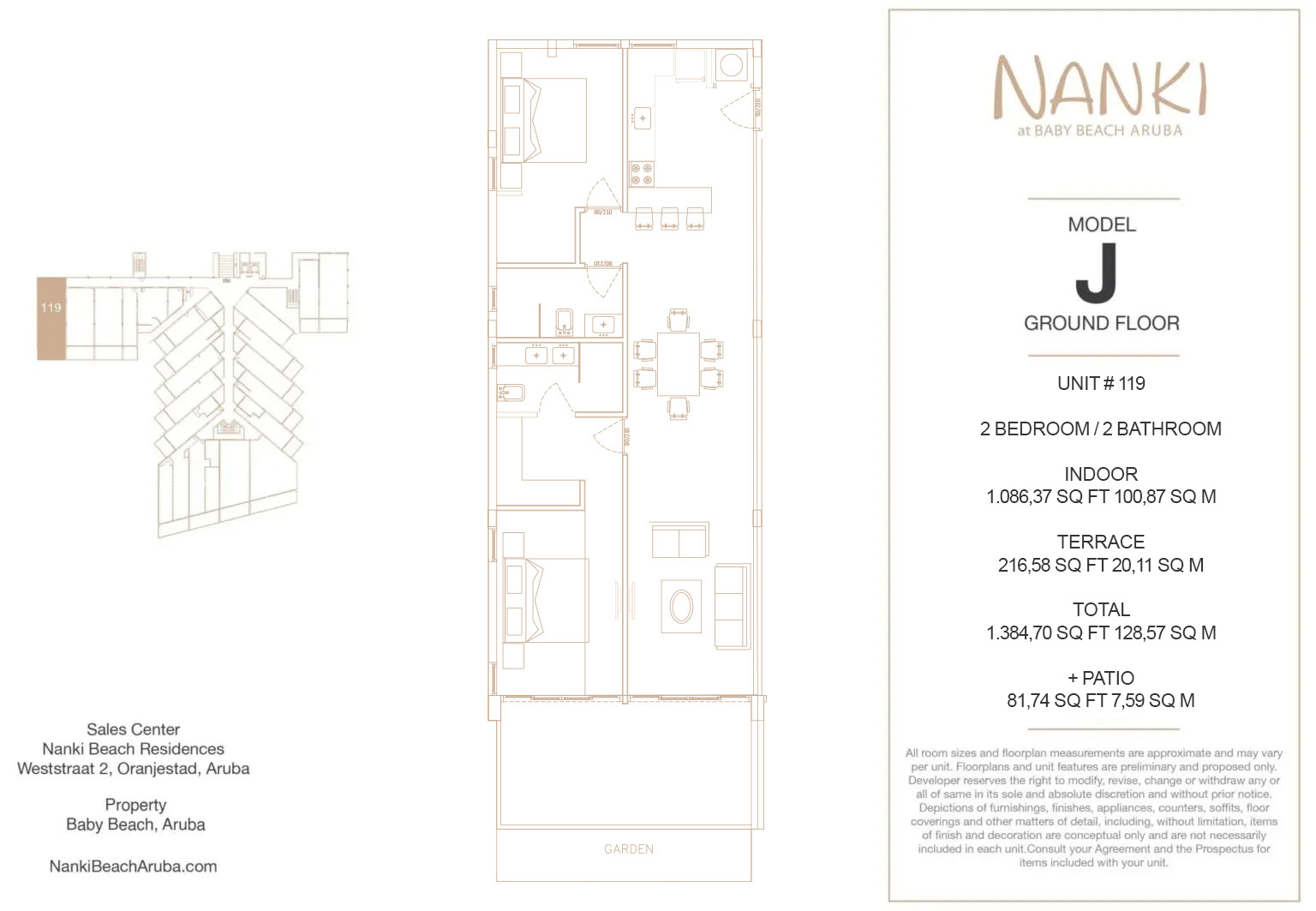
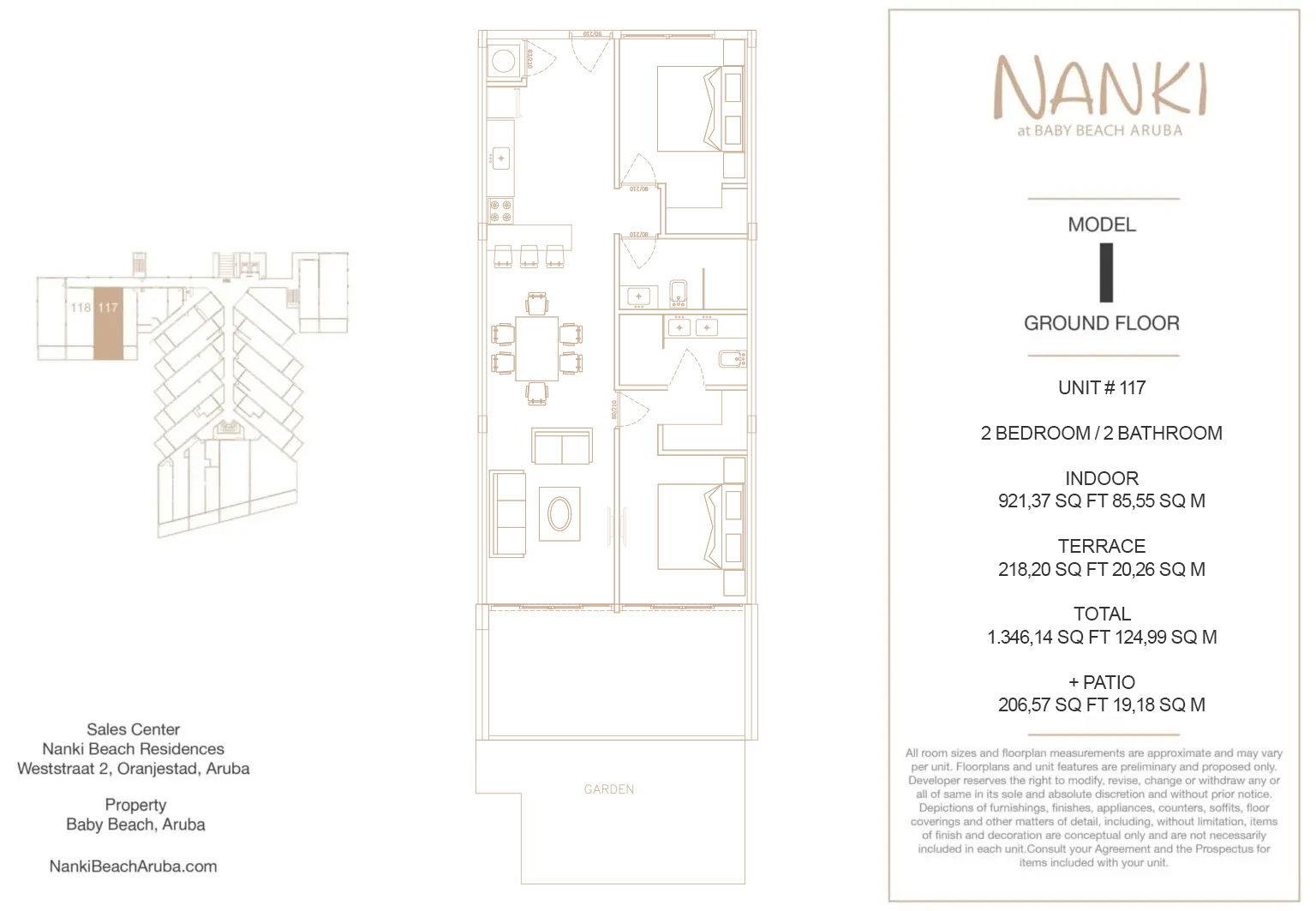
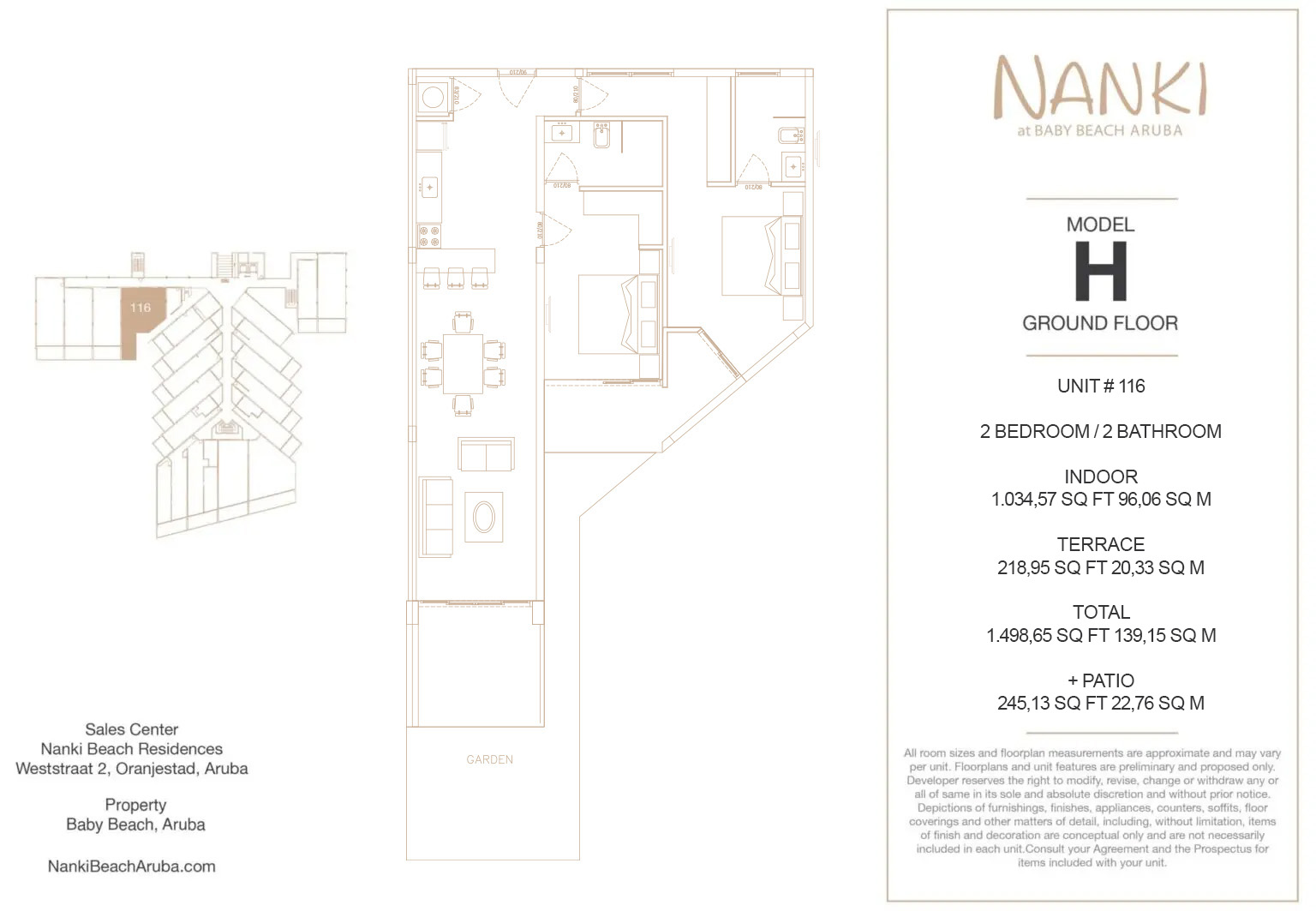
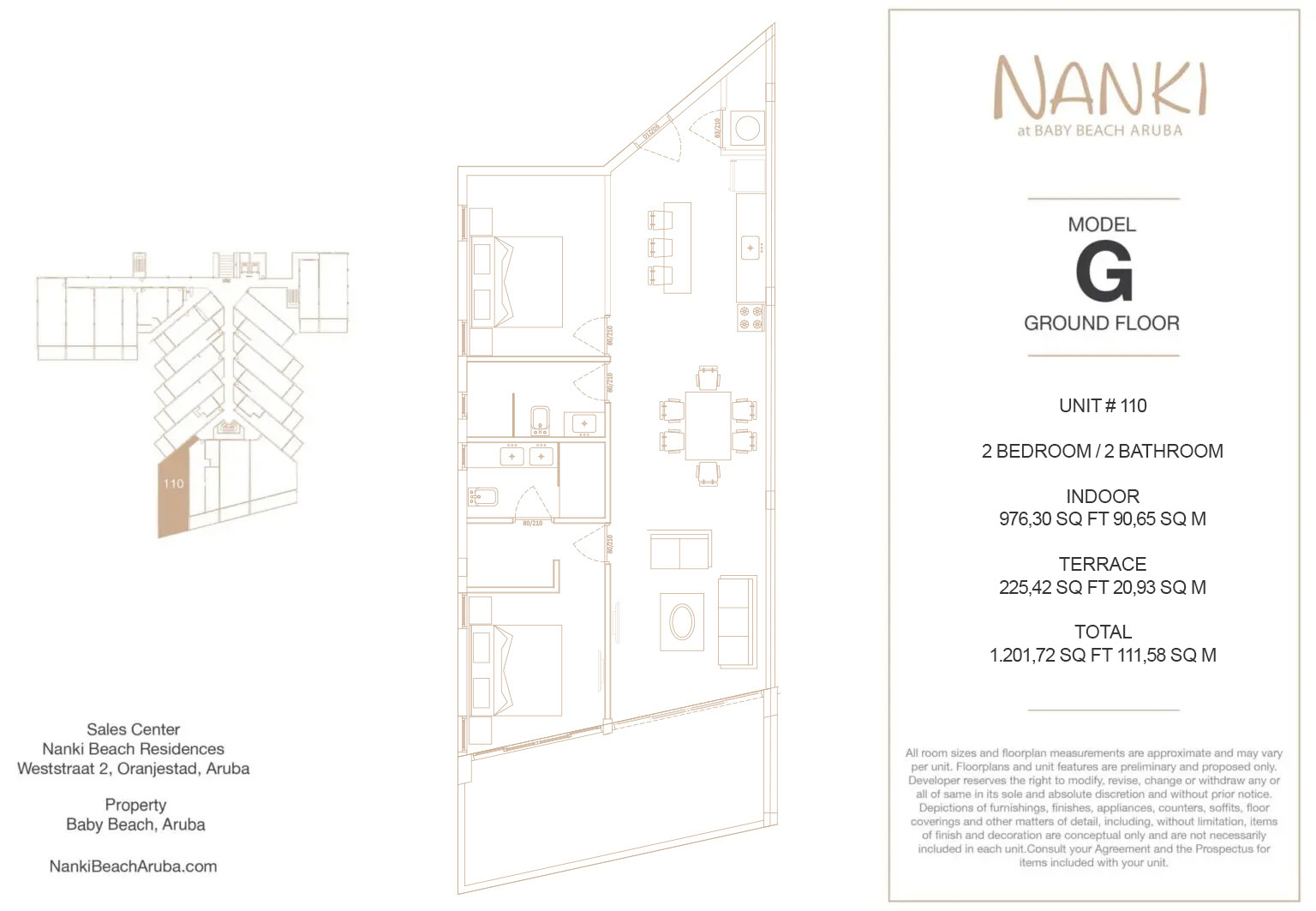
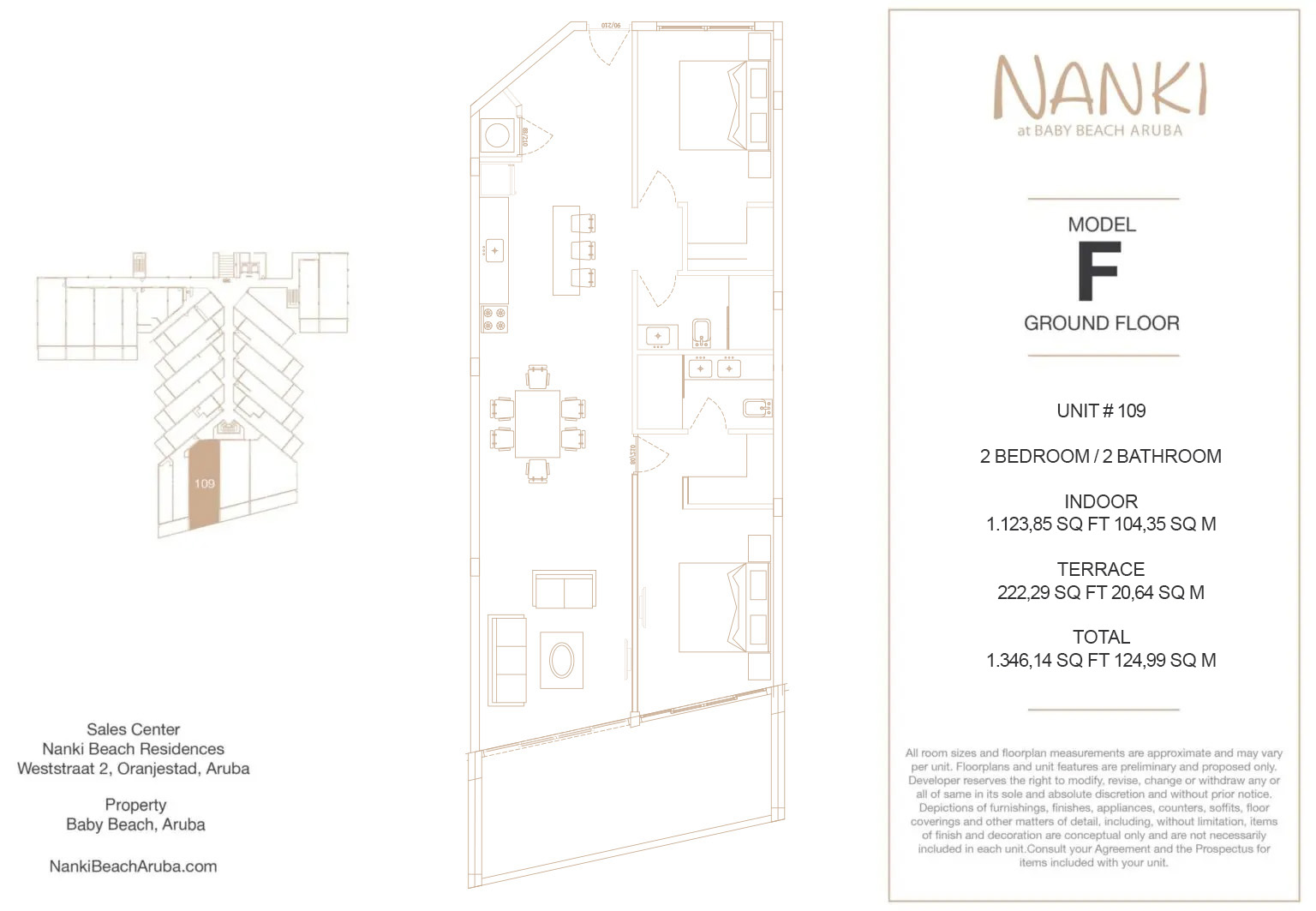
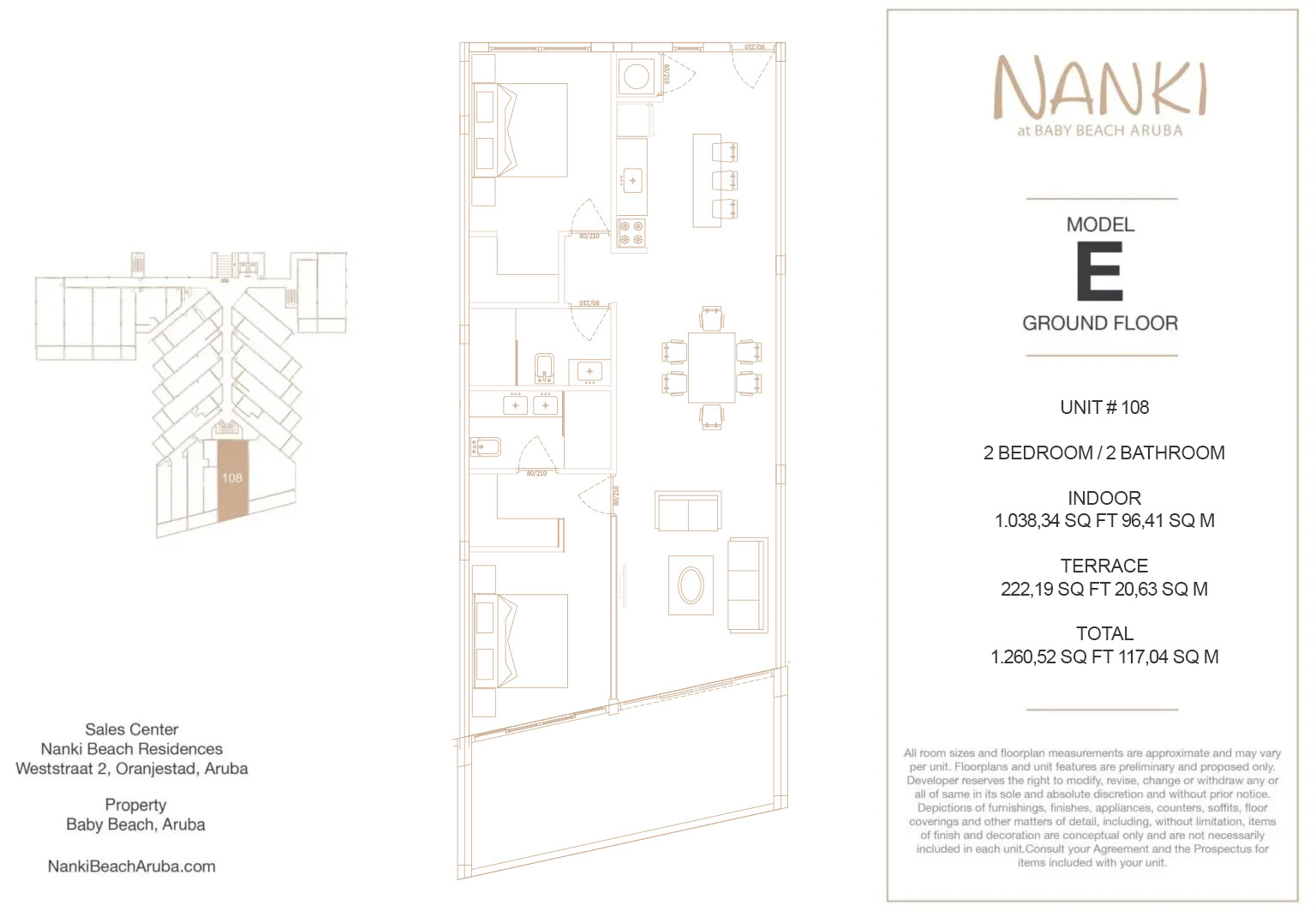
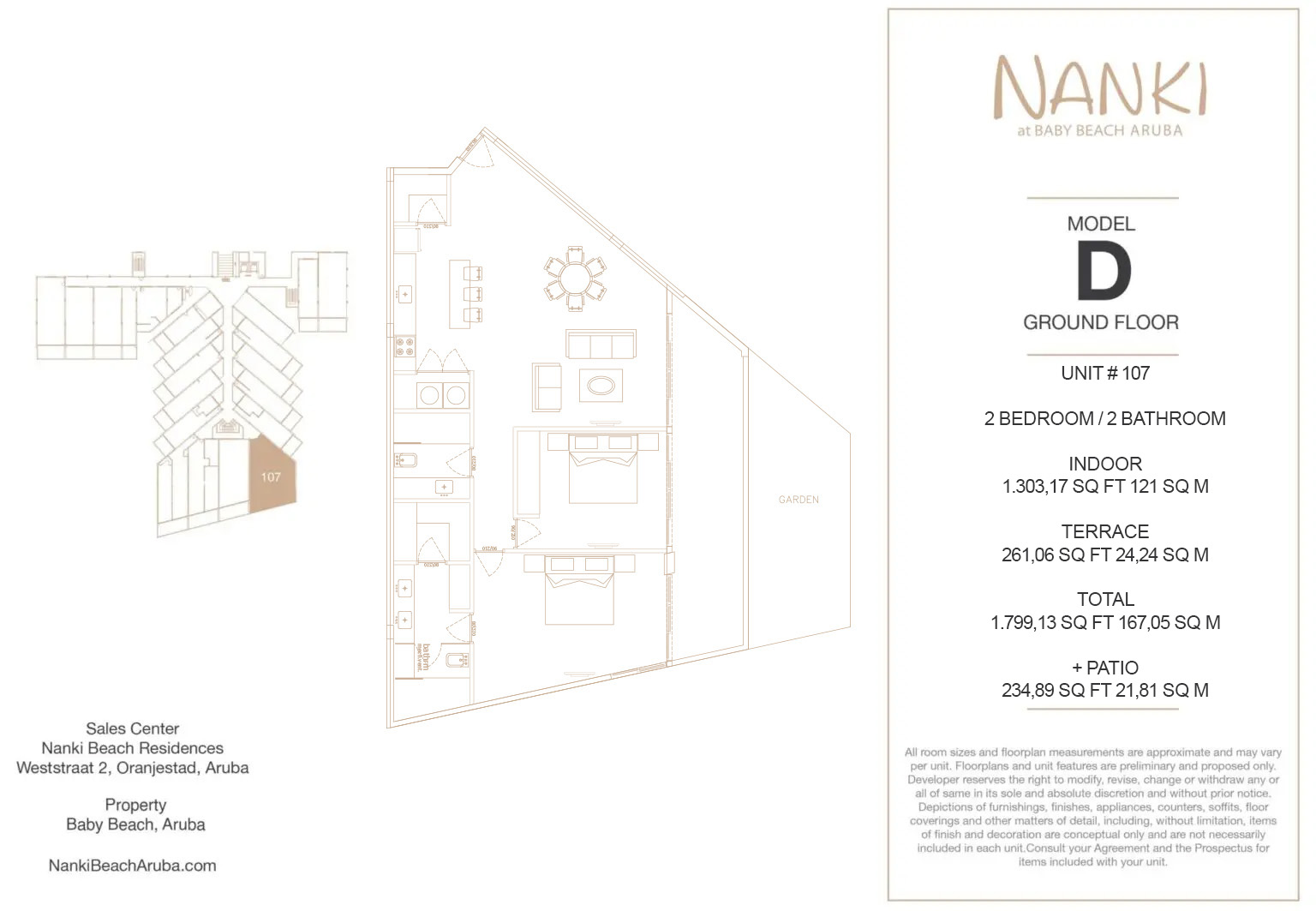
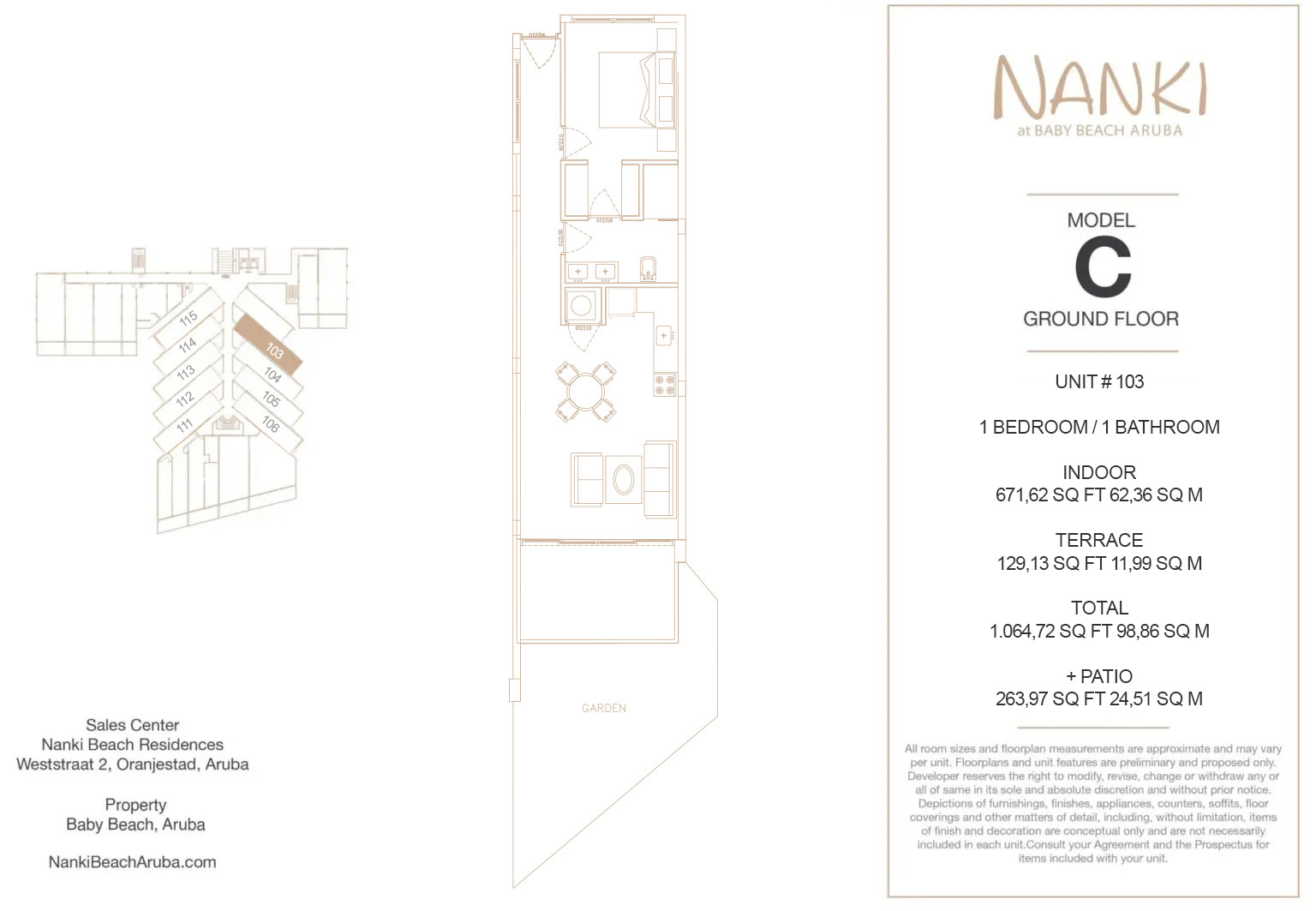
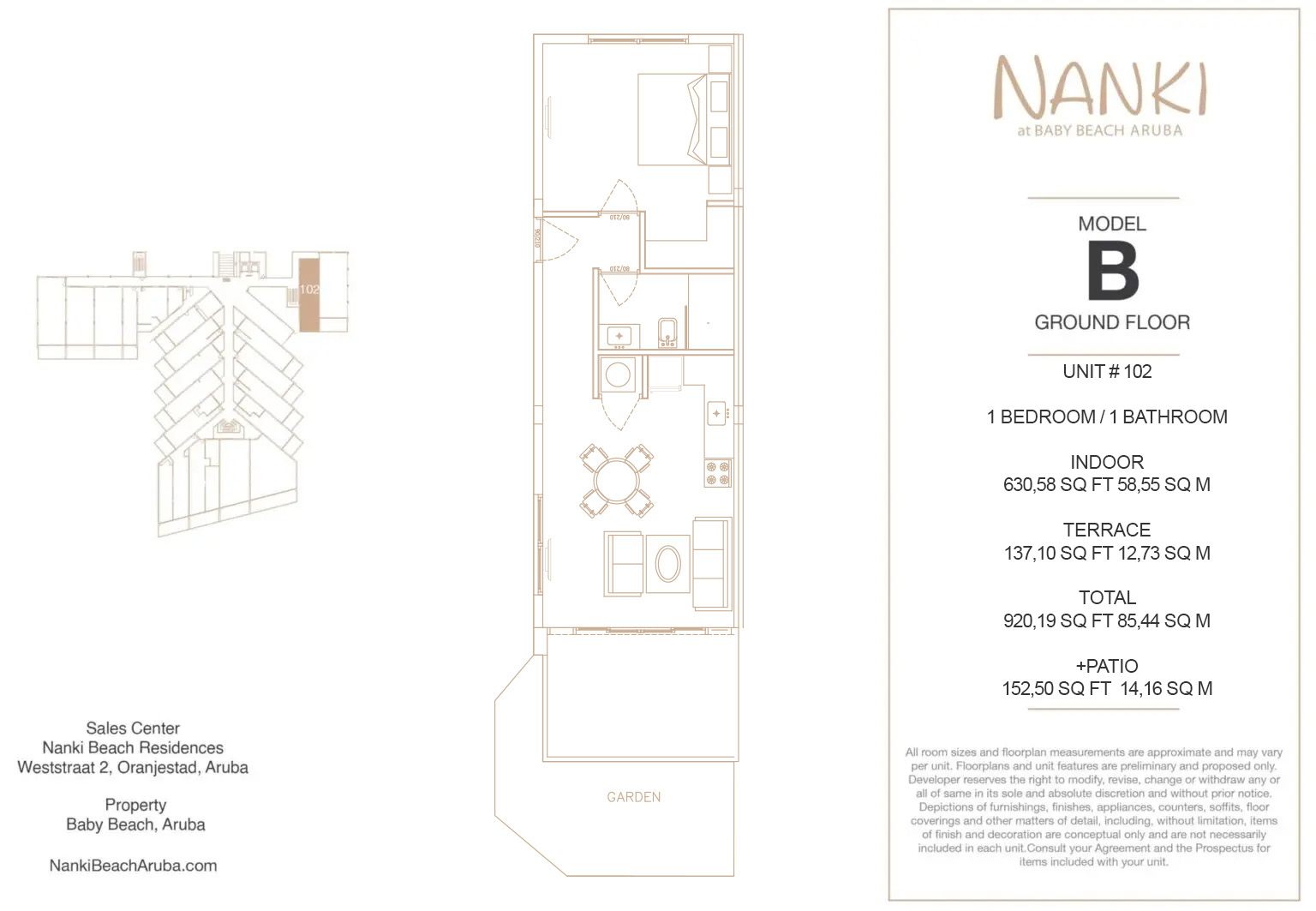
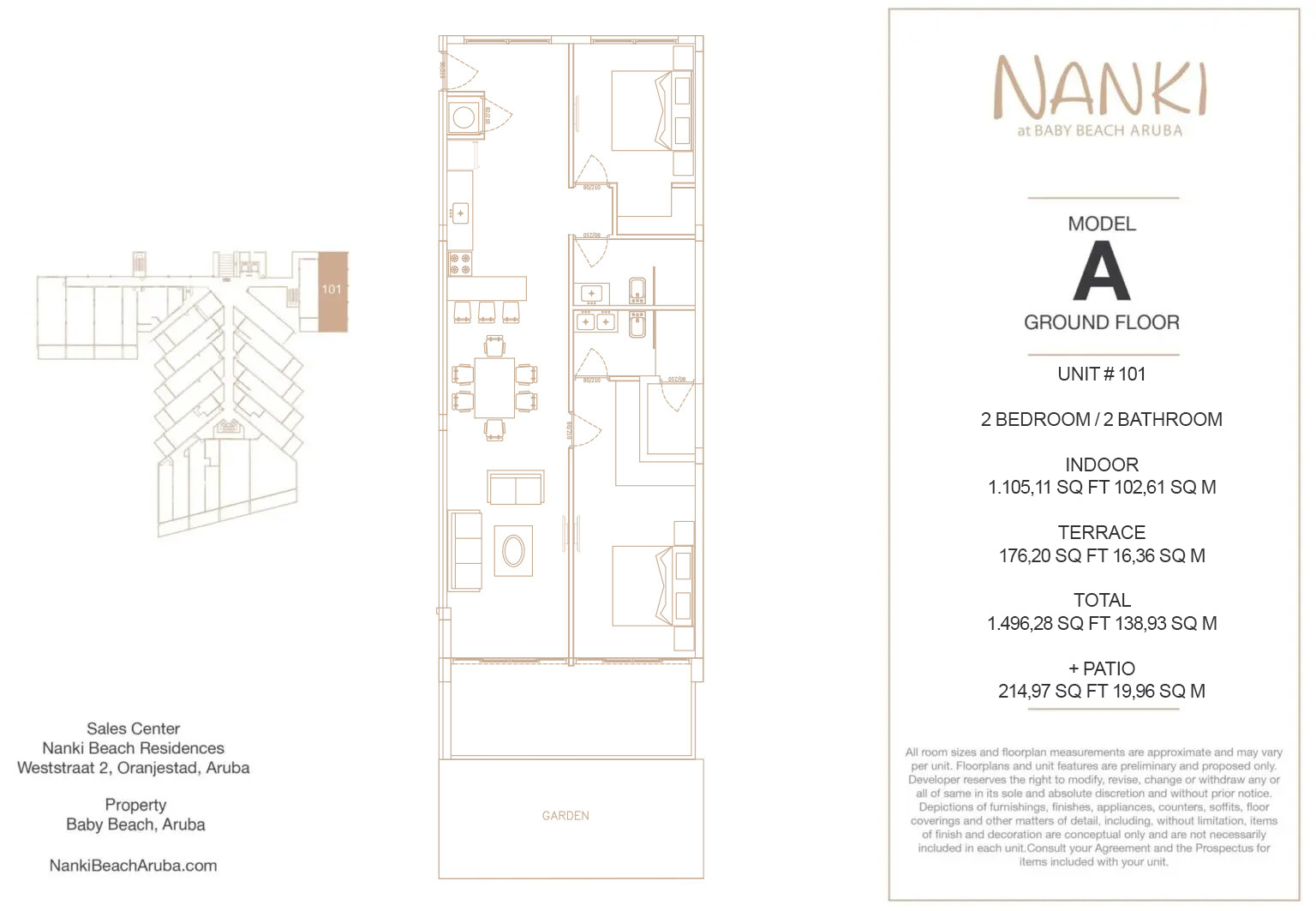
Get to know Nanki at Baby Beach Aruba, where every detail is designed for those who want more than just a property, but a legacy. There’s never been a better time to turn “paradise” into “my place in paradise.”
Why Nanki stands out:
● Prime location on Aruba’s most serene beach
● Luxury meets authenticity with high-end finishes and local charm
● Sustainable design that respects Aruba’s natural beauty
This isn’t just about buying a property—it’s about owning a piece of Aruba’s future. Ready to make your move?