For high-net-worth investors, the search for robust real estate often leads to the Caribbean. Yet, even among the many islands of that region, Aruba stands apart. Understanding Aruba’s stable economy is key, as the island offers a rare mix of tourist appeal and deep-rooted economic security that is unmatched in the region.
Aruba is a premier travel destination for many reasons—all of which are connected to the island’s real estate market. Investing in this market means committing to a stable system with strong management and a solid financial structure.
A Foundation of Stability Backed by the Kingdom of the Netherlands
A Foundation of Stability Backed by the Kingdom of the Netherlands
Aruba’s economy is strong, and not just due to luck. As a constituent country of the Kingdom of the Netherlands, the island offers investors the confidence of a political and legal framework backed by Dutch standards of governance. This stability is really important for keeping international investment safe.
Confidence Built on Decades of Political and Economic Consistency
Aruba operates a parliamentary democracy and has consistently maintained one of the highest Political Stability and Absence of Violence/Terrorism scores in the Caribbean, achieving a World Bank score of 1.43 in 2023 (on a scale from -2.5 to 2.5), placing it among the world’s most stable nations.
This level of consistency is key to minimizing political risk for foreign investors, which is critical for long-term portfolio planning. The legal system, based on Dutch civil law, is a robust framework for contract enforcement and property rights, providing a reliable and unbiased environment for asset protection and business interests.
Tourism Growth That Drives Strong Rental Demand
Tourism Growth That Drives Strong Rental Demand
Aruba’s economy is strongly driven by its strategically managed tourism sector. The island focuses on attracting high-value visitors, who stay longer and spend more. This strategy directly translates into a resilient rental market for luxury properties, making Aruban real estate a powerful income-generating asset.
How Consistent Visitor Arrivals Sustain Long-Term Investment Value
Goals include raising the Average Daily Tourist Spending (ADTS) from Afl. 553 (2024 rate) to over Afl. 600 (a projected 8% increase), signaling a clientele with significant spending power.
Extended Stays:
Strategies are in place to extend the average visitor length of stay.
Market Diversification:
Efforts focus on expanding visitor markets beyond North America to include high-potential regions, such as Latin America and Europe.
This “quality over quantity” approach fuels premium short-term rental income, solidifying the long-term appreciation potential of properties in exclusive locations like Nanki at Baby Beach.
Increased Daily Spend:
Goals include raising the Average Daily Tourist Spending (ADTS) from Afl. 553 (2024 rate) to over Afl. 600 (a projected 8% increase), signaling a clientele with significant spending power.
Extended Stays:
Strategies are in place to extend the average visitor length of stay.
Market Diversification
Efforts focus on expanding visitor markets beyond North America to include high-potential regions, such as Latin America and Europe.
This “quality over quantity” approach fuels premium short-term rental income, solidifying the long-term appreciation potential of properties in exclusive locations like Nanki at Baby Beach.
The Strength of a Currency Pegged to the U.S. Dollar
Aruba is a great place for U.S. and Canadian investors because it has a strong dollar policy. The Aruban Florin (AWG) has a fixed exchange rate to the U.S. Dollar (USD) of AWG 1.79 = USD 1.00. This peg is a powerful safeguard against the currency volatility that is so common when it comes to international real estate.
Predictable Performance and Minimized Exchange-Rate Risk
The fixed peg maintained by the Centrale Bank van Aruba has provided essential financial certainty for decades. This certainty is paramount across the entire investment lifecycle:
Purchases and Sales:
Transaction values remain stable relative to the USD.
Rental Yields:
Income generated in Florins translates to a fixed, predictable USD value.
Repatriation of Capital:
Moving funds in or out of the island is done without exchange-rate speculation.
Purchases and Sales:
Transaction values remain stable relative to the USD.
Rental Yields:
Income generated in Florins translates to a fixed, predictable USD value.
Repatriation of Capital:
Moving funds in or out of the island is done without exchange-rate speculation.
This predictability is a cornerstone of the island’s appeal, offering dollar-based investors a clear path to budgeting, forecasting rental yields, and confidently calculating their ultimate return on investment (ROI).
Investing in a Low-Risk, High-Confidence Environment
Aruba’s commitment to security extends beyond the island’s financial and political frameworks to encompass physical safety and environmental risk, key considerations for long-term asset value. The island’s high safety ratings directly contribute to its premium real estate status.
Security that Extends Beyond the Shoreline
Aruba consistently ranks among the safest destinations in the Caribbean, giving investors confidence in both guest safety and asset protection. Several factors reinforce this low-risk environment:
The U.S. Department of State encourages travelers to “Exercise Normal Precautions” (the safest category) in its advisories, a strong testament to the island’s institutional reliability.
Geographical Advantage:
Critically, Aruba is located safely outside the primary hurricane belt, significantly minimizing the risk of major natural disasters and the associated costs of downtime, insurance, and reconstruction.
The U.S. Department of State encourages travelers to “Exercise Normal Precautions” (the safest category) in its advisories, a strong testament to the island’s institutional reliability.
Geographical Advantage:
Critically, Aruba is located safely outside the primary hurricane belt, significantly minimizing the risk of major natural disasters and the associated costs of downtime, insurance, and reconstruction.
Aruba’s security assurance translates directly into a more dependable income stream for investors, higher occupancy rates, and a stronger resale market.
Invest with Confidence at Nanki at Baby Beach Aruba
Invest with Confidence at Nanki at Baby Beach Aruba
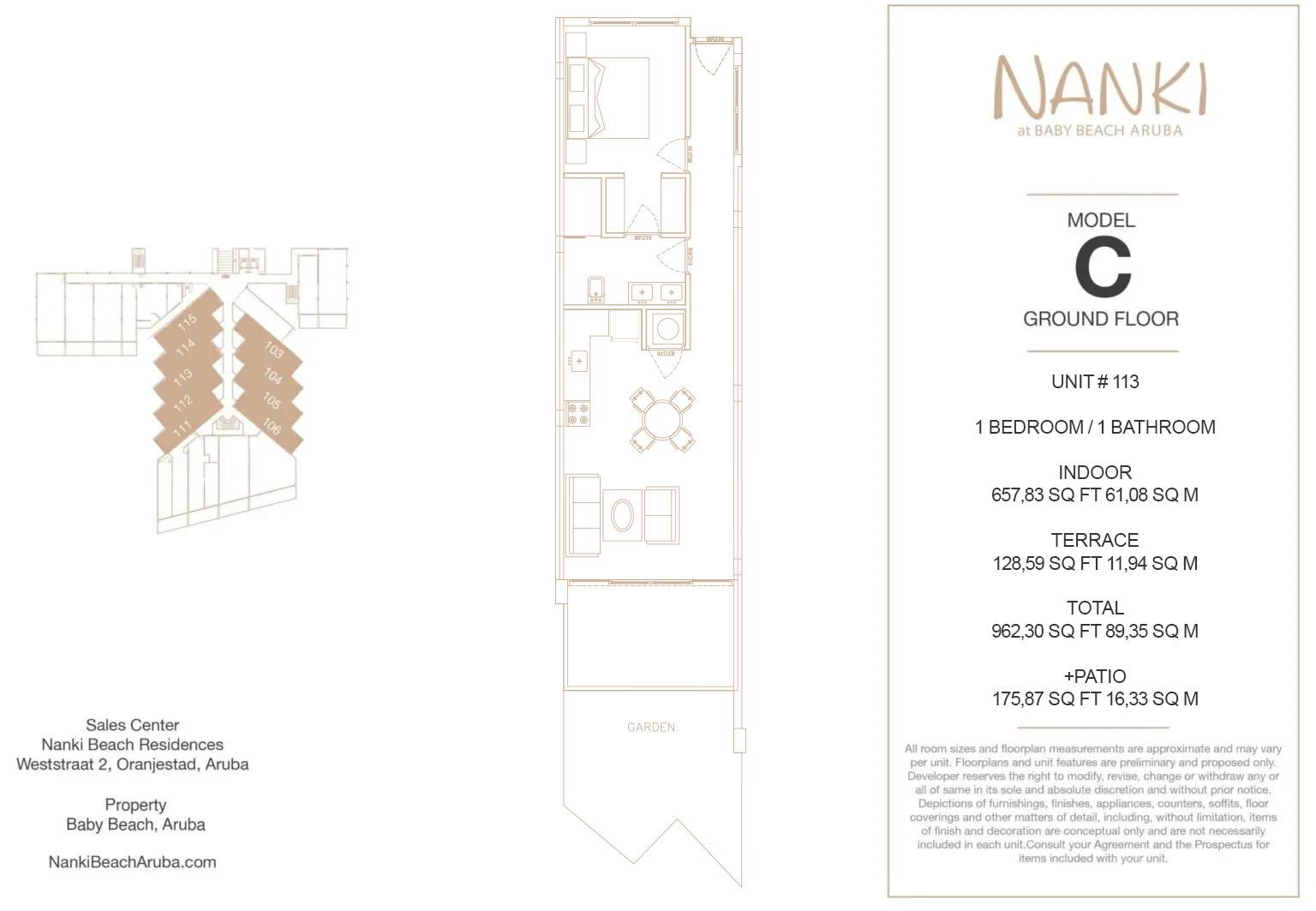
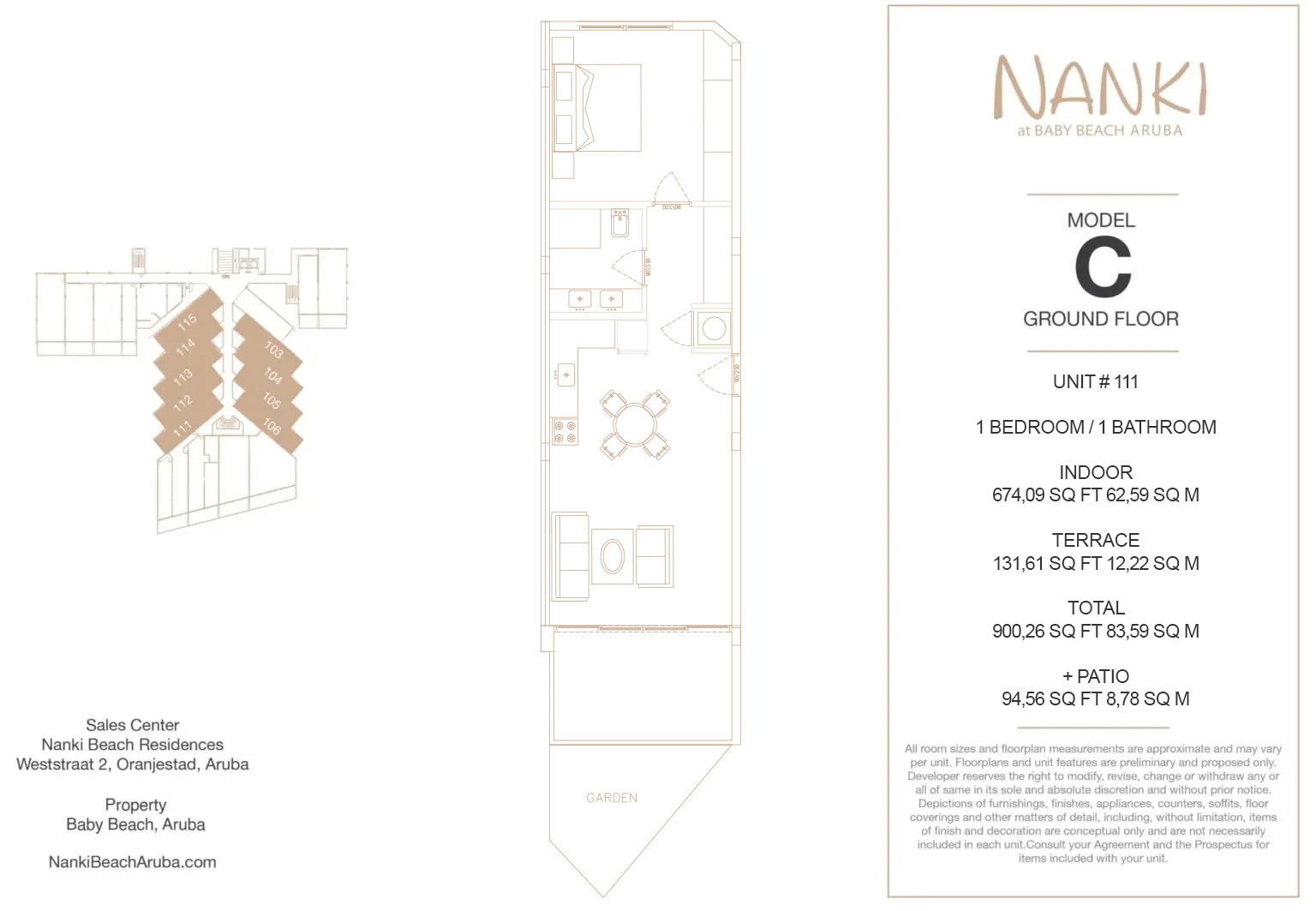
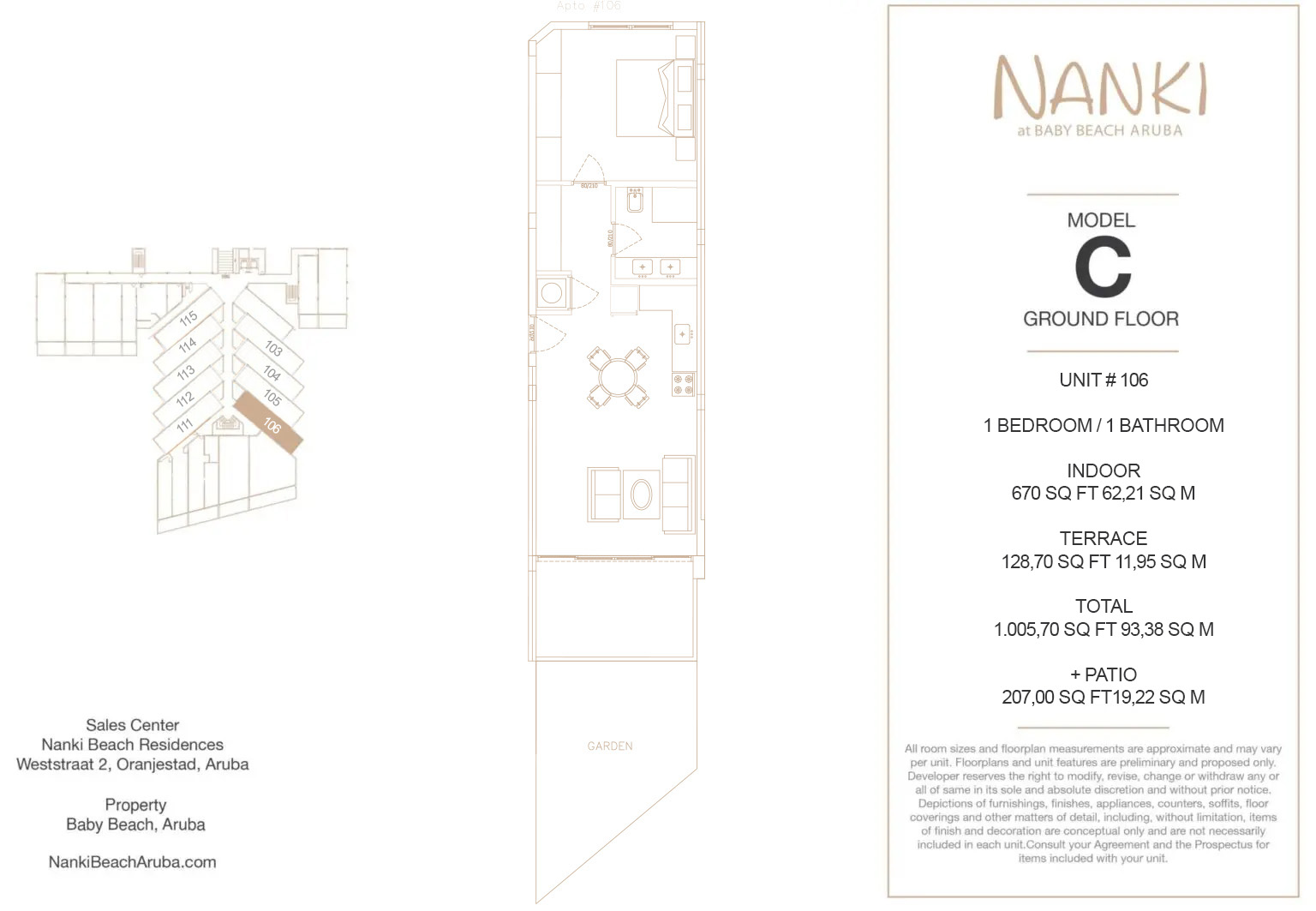
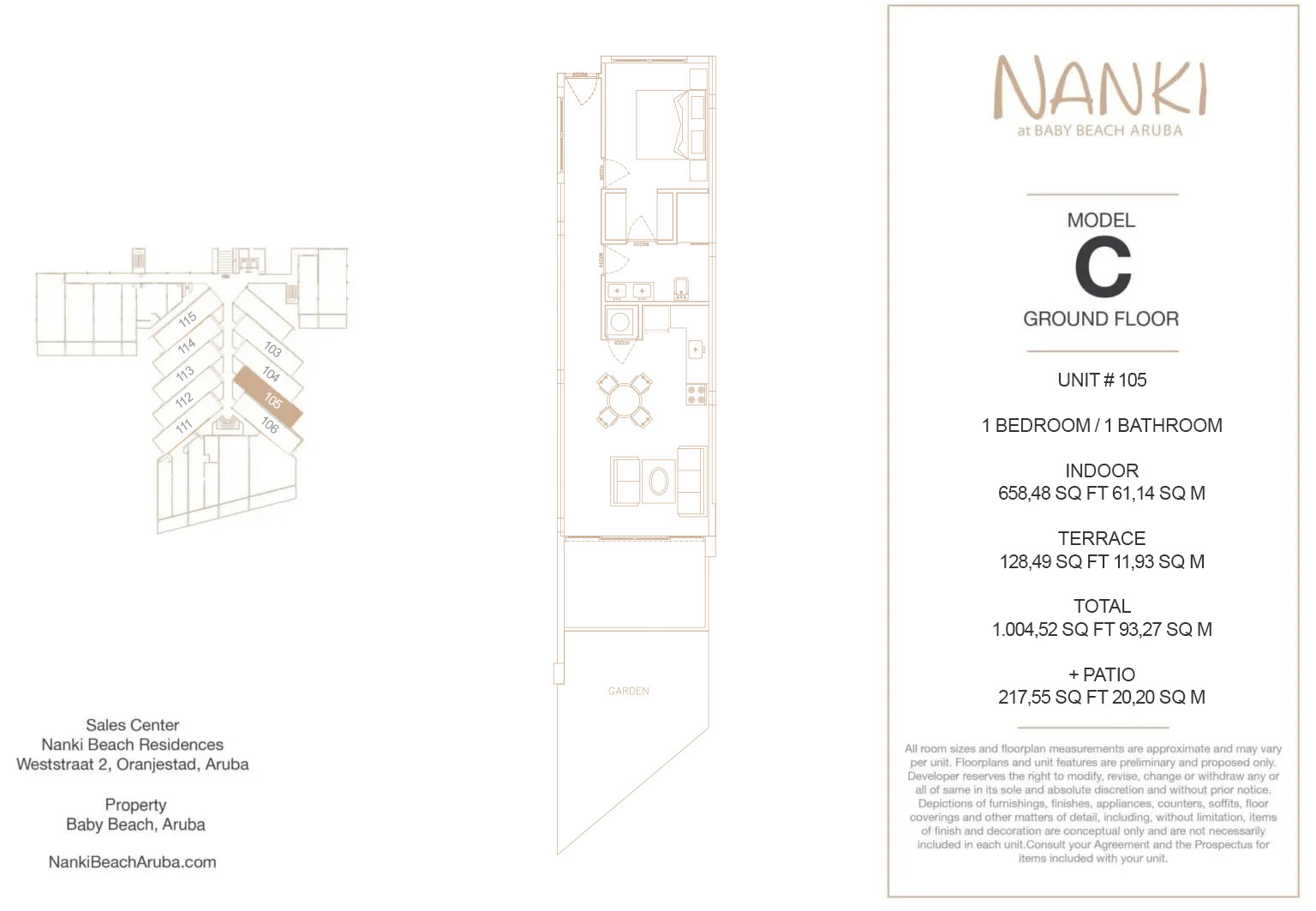
Nanki Beach Aruba boasts several strategic economic advantages, including political stability, guaranteed rental demand from high-value tourists, and currency security under the dollar peg. This exclusive, oceanfront real estate complex at serene Baby Beach offers a unique opportunity to leverage the island’s macroeconomic strength through a tangible, luxurious asset.
By choosing Nanki at Baby Beach Aruba, investors are not just buying a property—they are securing a stake in one of the Caribbean’s most secure and profitable real estate markets, backed by Dutch legal standards and driven by a future-focused tourism strategy.